
Rongai Gate Kilimanjaro
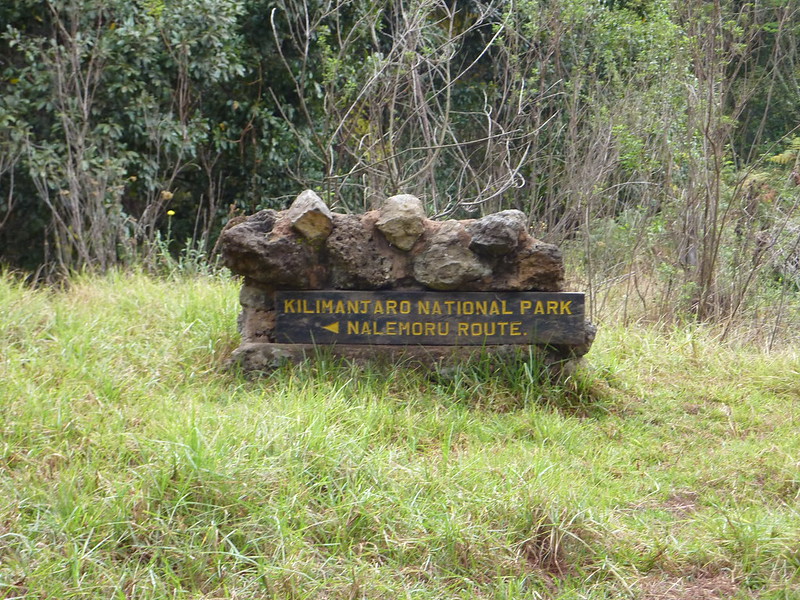
Rongai Gate, also called Nalemuru or Nalemoru Gate, is the only access point on Mount Kilimanjaro’s northern side. Located at about 2,364 meters near the Tanzania-Kenya border, it serves as the starting point for the Rongai Route to Uhuru Peak on Kibo. This gate is ideal for climbers seeking a quieter and more remote Kilimanjaro experience.
Rongai Gate stands out for its remote location and low visitor numbers. Far from Moshi and Arusha, it receives far fewer climbers than southern gates such as Marangu and Machame. This allows for a peaceful and unhurried start to the climb. While facilities are modest due to its isolation, they are adequate for the number of visitors.
The gate is located in a water catchment area, with streams originating from Kilimanjaro’s slopes. Climbers cross a major stream near the gate on the way to Simba Camp, the first campsite on the Rongai Route. This lush environment supports diverse plant and animal life, making Rongai Gate both scenic and ecologically important.
Location of Rongai Gate
Rongai Gate is located near the Kenya-Tanzania border in the northeastern foothills of Mount Kilimanjaro. The Tanzanian government has initiated afforestation projects on the northern slopes to restore forest cover and support local ecosystems.
The area surrounding Rongai Gate serves as a water catchment, with streams from Kilimanjaro providing essential water to local communities and supporting the mountain’s vegetation. Climbers cross a major stream near the gate at the start of their ascent to Simba Camp, which adds to the area’s natural appeal.
Rongai Gate is seldom used because of its remote location. It is a two-hour drive from Moshi and about three hours from Arusha. The route offers scenic views and attractions, including Rongai Lake and Lake Chala. Although the distance is considerable, the drive provides an opportunity to experience the rural landscape and natural beauty of the Kilimanjaro region.
Facilities at Rongai Gate
Rongai Gate offers essential facilities for climbers, guides, porters, and park officials. The compound features a waiting area with toilets and a small parking lot, providing a convenient space for preparation and vehicle parking during registration.
Like other Mount Kilimanjaro gates, Rongai/Nalemuru Gate has administrative offices staffed by personnel who assist climbers. Staff manage registration, permits, and documentation to ensure all climbers are properly recorded. Although the gate is small, experienced staff handle administrative tasks efficiently.
Because traffic is lower, the gate is smaller than other entry points on the mountain. Most access roads are paved, while the rest are well-maintained murram. Roads are generally in good condition, but climbers should allow extra travel time, especially during the rainy season when surfaces may become muddy and slippery.
Registration and Inspection Procedures at Rongai Gate
Registration and inspection at Rongai Gate follow standard Mount Kilimanjaro procedures and emphasize safety and compliance. Climbers must complete all steps before entry. Incomplete requirements may result in denial of entry, so prepare all documentation and resources in advance.
Passport and Visa Verification: Climbers must present valid passports and visas, which are checked against booking details to confirm legal entry to Tanzania and verify identity.
Itinerary Cross-Checking: Park officials review itineraries to ensure routes, camps, and durations comply with regulations and match climbers’ capabilities. This helps prevent overcrowding and supports safe, realistic ascent plans.
Guide Verification: Officials confirm each guide is affiliated with a registered tour company to ensure guides are licensed and climbers are supported by reputable operators.
Resource Confirmation: Climbers must demonstrate they have sufficient resources, including porters, tents, food, and water, to support their climb. This confirms adequate preparation.
Entry Fee Verification: All entry fees must be paid and verified before access is granted. These fees support park maintenance and conservation.
After completing these procedures, climbers are granted entry to the park and may begin their ascent.
Rongai Gate Vegetation Zone
The Nalemuru/Nalemoru Gate of Rongai marks the boundary between the rainforest and heather zones on Mount Kilimanjaro. The lower section briefly enters the rainforest, while most of the area lies within the heather zone, known for its big-game habitat. Climbers experience a clear transition between these ecosystems, each with unique plant and animal life.
The rainforest zone contains dense vegetation, tall trees, mosses, and ferns, supported by high rainfall and fertile volcanic soil. It is home to diverse wildlife, including monkeys, birds, and other forest species. The heather zone, covering most of the gate area, features shorter vegetation like heather shrubs, grasses, and occasional giant groundsel or lobelia. This zone also serves as important grazing habitat for elephants and buffalo.
The vegetation around Rongai Gate highlights the transition between these zones, resulting in a diverse and scenic landscape. The greenery and wildlife provide climbers with a vibrant setting as they begin their ascent and encounter the mountain’s natural features.
Where Does the Rongai Route Start?
The Rongai Route begins at Rongai Gate, the northern entrance to Kilimanjaro National Park near the Kenya-Tanzania border. Climbers ascend through rainforest and heather to reach Simba Camp, the first campsite. As the only northern approach, this route offers a quieter, distinctive alternative to the southern routes.
Distance from Rongai Gate to Simba Camp
The trek from Rongai Gate to Simba Camp, the first stop on the Rongai Route, covers approximately 8 kilometers (5 miles) and takes about 4 hours. The trail passes through rainforest and heather zones, offering a gradual introduction to the mountain’s ecosystems and helping you acclimatize. At 2,700 meters, Simba Camp provides a comfortable first night before the ascent continues.
Distance from Moshi to Rongai Gate
The drive from Moshi Town to Rongai Gate (Nalemuru/Nalemoru) takes approximately 2 hours and covers 93 kilometers. This route, located north of Kilimanjaro near the Kenyan border, features scenic rural landscapes and attractions such as Rongai Lake and Lake Chala. From Arusha, the journey takes about 3 hours, making Rongai Gate the most distant entry point from the main tourist centers.
How Long Is the Rongai Route from Gate to Gate?
The Rongai Route covers approximately 72 kilometers and typically requires 6 to 7 days to complete. Starting at Rongai Gate, it ascends the northern slopes to Uhuru Peak and descends via the Marangu Route to Marangu Gate. This schedule supports effective acclimatization and a steady pace, making the Rongai Route a dependable option for climbers.
Remarks: Book Your Rongai Route Adventure
Rongai Gate marks the beginning of a rewarding Mount Kilimanjaro climb. At Blessing Safaris, we prioritize your safety, comfort, and overall experience. Our experienced local team supports you throughout the journey, upholding ethical climbing standards and fair treatment for the crew. We offer high-quality equipment, meals, and comprehensive support. With countless successful summits and a proven safety record, climbers worldwide trust Blessing Safaris. Book your Rongai Route adventure with us and let our team help you achieve your summit goal. BOOK RONGAI ROUTE NOW
Frequently Asked Questions About Rongai Gate
What Is Rongai Gate?
Where Is Rongai Gate Located?
What Is the Elevation of Rongai Gate?
What Facilities Are Available at Rongai Gate?
What Registration Procedures Are Required at Rongai Gate?
Which Routes Use Rongai Gate?
Is Rongai Gate Crowded?
What Is the Vegetation Zone at Rongai Gate?
What Is the Next Campsite After Rongai Gate?
What Are the Roads Like to Rongai Gate?
What Should I Bring to Rongai Gate?
Is There Accommodation Near Rongai Gate?
What Is the Best Time to Arrive at Rongai Gate?
Why Is Rongai Gate So Remote?
What Is the Rongai Route Like?
Rongai Gate / Nalemoru Kilimanjaro
You May Also Like
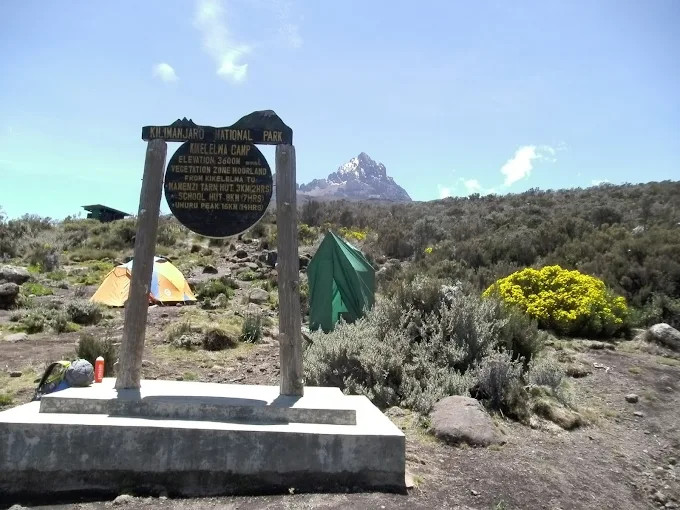
Kikelelwa Camp is the third major overnight stop on the Rongai Route, located at 3,660 meters (12,008 feet) in the alpine moorland zone beneath Mawenzi Peak
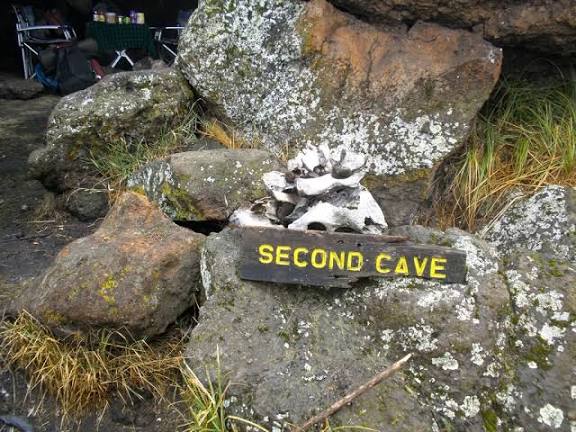
Second Cave Camp is located at 3,450 meters on Mount Kilimanjaro’s northeastern side and serves as a key overnight and lunch stop for climbers on the less-traveled Rongai Route.
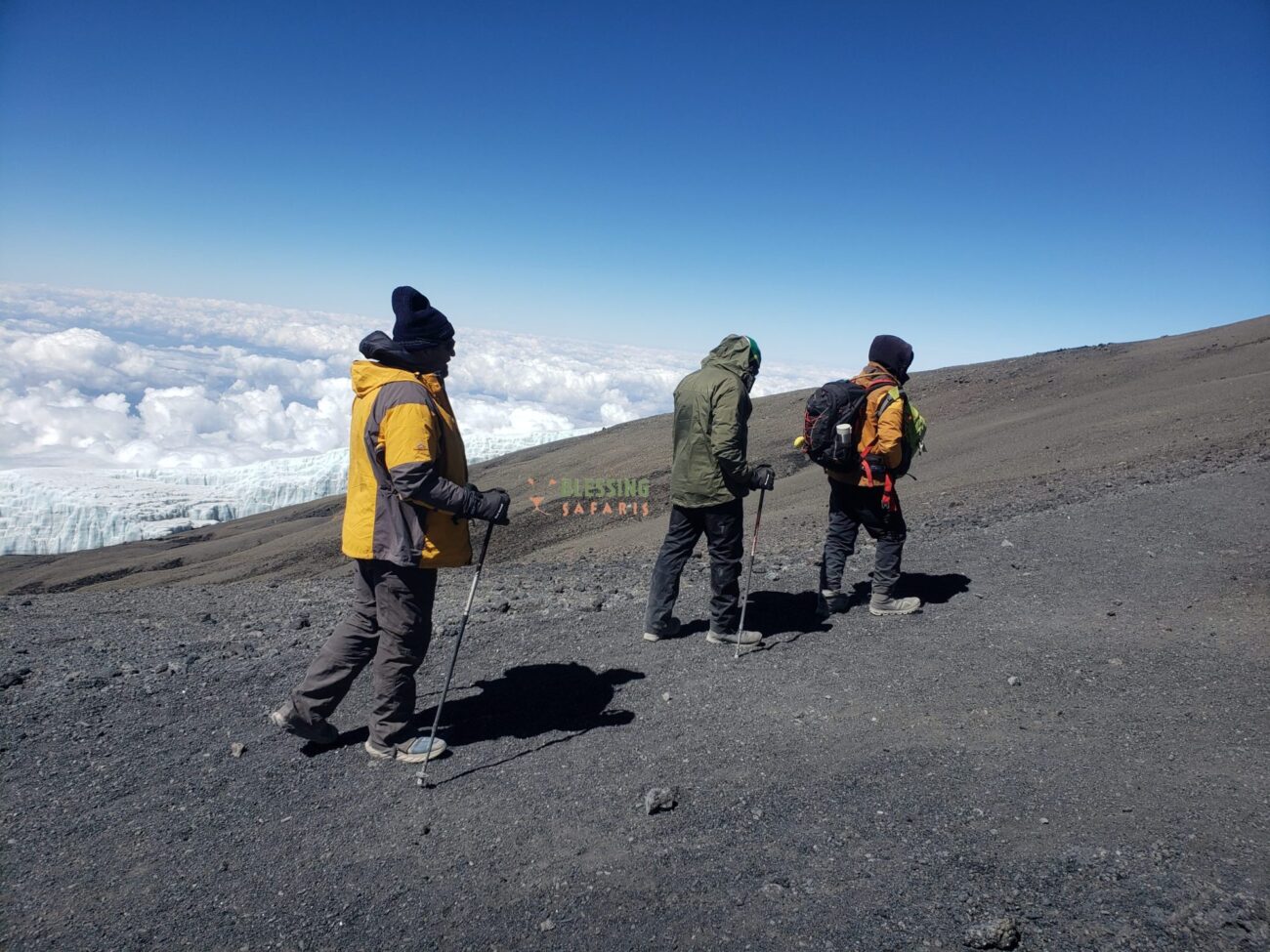
The Rongai Route provides a unique Kilimanjaro climbing experience, approaching the peak from the northeast along the Tanzania-Kenya border