
Maundi Crater Kilimanjaro
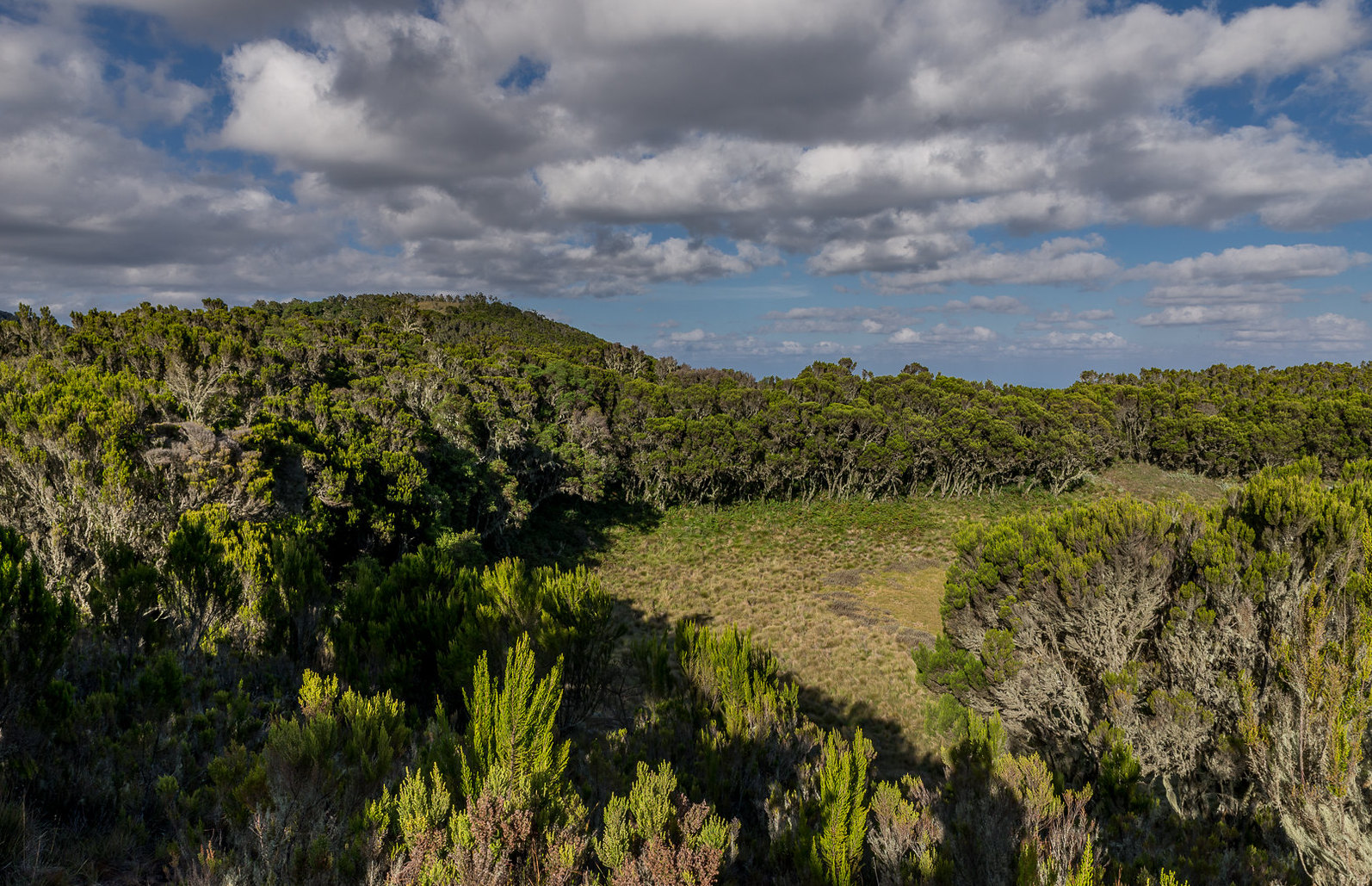
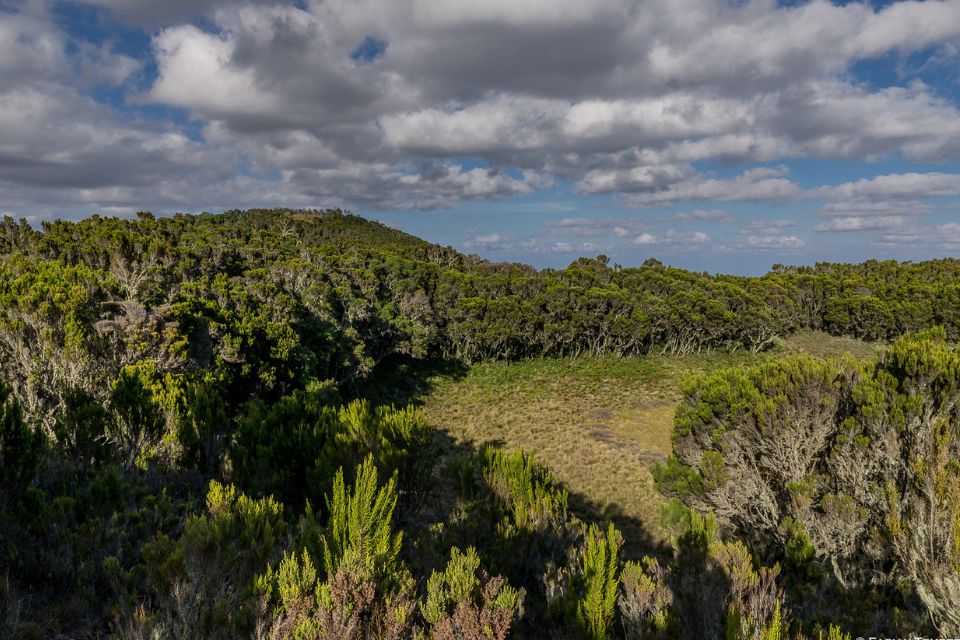
Maundi Crater is a small, extinct volcanic depression on Mount Kilimanjaro that provides insight into the mountain’s volcanic history. Situated near the Mandara Huts campsite at about 2,760 meters, it is one of several volcanic features on the slopes of Africa’s highest peak. Although less renowned than Kibo or the Barranco Wall, Maundi Crater is ideal for acclimatization and offers impressive views of the landscape.
Maundi Crater was created by Mount Kilimanjaro’s volcanic activity, serving as a reminder of the mountain’s active past. Now extinct, the crater is a popular stop for climbers on the Marangu Route. Its volcanic soil and sparse vegetation distinguish it from the surrounding lower slopes.
Maundi Crater is easily accessible, located just one kilometer from Mandara Huts and reachable in about 15 minutes. Its proximity makes it ideal for day trips, acclimatization hikes, and scenic detours. For early arrivals at the first camp, a hike to the crater offers both a scenic introduction and a chance to start acclimatizing.
Location of Maundi Crater
Maundi Crater is located about one kilometer from the Mandara Huts Campsite in Mount Kilimanjaro’s rainforest zone, at an elevation of 2,720 to meters above sea level. It sits just above Mandara Hut on the Marangu Route. The montane forest features dense trees, mosses, ferns, and a variety of plant and animal life, creating a vibrant setting for exploration.
Maundi Crater is one of the greenest and most wildlife-rich areas on Mount Kilimanjaro. You commonly see black-and-white colobus monkeys, blue monkeys, various bird species, and small mammals. The dense vegetation and abundant wildlife make hiking to Maundi Crater a unique experience, even for those familiar with other parts of Kilimanjaro.
Maundi Crater on Map
Proximity to Mandara Huts
The crater is approximately one kilometer from the Mandara Huts campsite. Its close proximity offers a convenient excursion for climbers, either upon arrival or as a brief detour en route to higher elevations.
Views and Perspectives
From the rim of Maundi Crater, climbers can view the surrounding landscape, including:
- Mount Kilimanjaro: Views of the peak above
- Aerial views: Panoramic perspectives of the slopes below
- Kenya: On clear days, the view extends to Tanzania’s northern border with Kenya.
- Rainforest: Dense vegetation characteristic of the lower elevations.
Formation of Maundi Crater
Volcanic Origins
Maundi Crater formed through volcanic activity on Mount Kilimanjaro. Its small size and location on the mountain’s slopes indicate it is a minor volcanic feature shaped by past eruptions.
Extinct Status
Maundi Crater is now extinct, with no recent volcanic activity. Only the depression remains as evidence of its past, making it safe for climbers to visit without volcanic hazards.
Vegetation and Soil
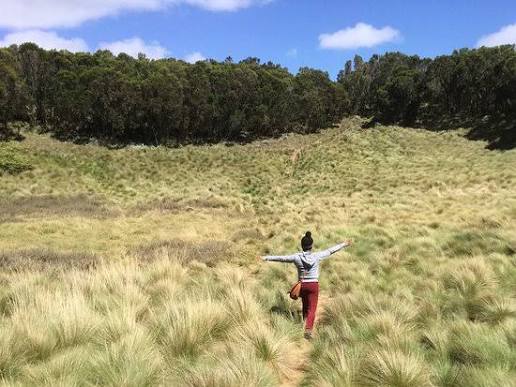
Volcanic soil in Maundi Crater limits plant growth, resulting in sparse vegetation within the depression. A few hardy plants grow in the lowest areas, contrasting with the surrounding lush rainforest and creating a distinctive landscape.
Activities at Maundi Crater
Hiking
Maundi Crater is a popular stop for climbers on the Marangu Route. The short, accessible hike from Mandara Huts provides impressive views of Mount Kilimanjaro and the surrounding slopes.
Acclimatization
The Maundi Crater hike serves as an effective acclimatization exercise for Marangu Route climbers, especially on the first day. Ascending to the crater and returning to Mandara Huts helps climbers adjust to higher altitudes before resting at a lower elevation.
Photography
The crater’s unique landscape and striking views make it ideal for photography. The contrast between the rainforest and the barren crater, along with views of Mount Kilimanjaro, provides excellent photo opportunities.
Wildlife Observation
The area around Mandara Huts is rich in wildlife, including black-and-white colobus monkeys, birds, and other animals. A hike to Maundi Crater offers the chance to observe these creatures. The area near Mandara Huts is home to diverse wildlife, including black-and-white colobus monkeys and various bird species. Hiking to Maundi Crater allows visitors to observe these animals in their natural environment.
Getting to Maundi Crater
From Mandara Huts
The most direct route to Maundi Crater starts at Mandara Huts campsite. The 15-minute trek follows a trail through a short section of rainforest to the crater rim. This brief distance is suitable for climbers of all fitness levels.
As a Detour
Climbers may also visit Maundi Crater as a detour on day two while heading to Horombo Huts. This option allows the crater hike to be added to the itinerary without significant additional time or effort. Since the crater is not typically included in standard itineraries, climbers should coordinate this with their guide.
Day Trip
A one-day hike to Maundi Crater via the Marangu Route starts with a drive from Arusha to Marangu Gate (approximately three hours) or from Moshi (about 45 minutes). After registering at the park office, climbers hike through the rainforest to the upper forest boundary. The trek to Mandara Huts Camp takes three to four hours, followed by a 15-minute walk to Maundi Crater.
The Maundi Crater Experience
What to Expect
Visitors to Maundi Crater can look forward to the following highlights:
- A brief hike of approximately 15 minutes from Mandara Huts
- Panoramic views of Mount Kilimanjaro and the surrounding landscape
- A unique landscape featuring a striking contrast between lush rainforest and the barren crater
- Opportunities to observe local wildlife, including birds and monkeys
- Exposure to higher altitude, which supports acclimatization
Best Time to Visit
For optimal views, visit when the rim is free of precipitation. The warm, dry months are recommended:
- January through early March: Warm and dry conditions
- June through October: Stable weather with clear skies
Clear weather allows visitors to see as far as Kenya, as the rim’s location near Tanzania’s northern border provides unobstructed views.
What to Bring
- Water: Stay hydrated during the hike
- Snacks: Provide energy for the short trek
- A camera to capture the views
- Layers of clothing to prepare for changing weather
- Sunscreen for protection against UV rays at higher altitudes
- Binoculars for wildlife observation and distant views
Frequently Asked Questions About Maundi Crater
How high is Maundi Crater?
Can a beginner climb Mount Kilimanjaro?
Is Maundi Crater dangerous?
Is Maundi Crater included in Kilimanjaro itineraries?
What Is Maundi Crater?
Maundi Crater is a small, extinct volcanic depression on Mount Kilimanjaro, located near the Mandara Huts campsite at approximately 2,760 meters. Formed by volcanic activity, it is now a popular spot for hiking and acclimatization on the Marangu Route.
Where Is Maundi Crater Located?
Maundi Crater is near the Mandara Huts campsite on Mount Kilimanjaro’s slopes, within the rainforest zone. It is about one kilometer from Mandara Huts and easily accessible to climbers at the camp.
How Was Maundi Crater Formed?
Maundi Crater formed from Mount Kilimanjaro’s volcanic activity and is now extinct. Volcanic soil limits plant growth in the depression, though some vegetation exists in the lowest areas.
How Do I Get to Maundi Crater?
To reach Maundi Crater, begin at Mandara Huts and hike for about 15 minutes. This hike is not usually part of the standard itinerary, so please arrange it with your guide. Alternatively, you can visit the crater as a detour on the way to Horombo Huts on day two.
How Long Does It Take to Hike to Maundi Crater?
The hike from Mandara Huts to Maundi Crater takes about 15 minutes and is suitable for climbers of all fitness levels.
What Is the Elevation of Maundi Crater?
Maundi Crater is at approximately 2,760 meters (9,055 feet) above sea level, near Mandara Huts in Mount Kilimanjaro’s rainforest zone.
Why Is Maundi Crater Important for Acclimatization?
The Maundi Crater hike is an effective acclimatization exercise, especially on day one for climbers who arrive early at the first camp. Ascending to the crater and returning to Mandara Huts helps the body adjust to higher altitudes before sleeping at a lower altitude.
What Can I See from Maundi Crater?
From the rim of Maundi Crater, climbers enjoy views of Mount Kilimanjaro, the slopes below, and, on clear days, the border of Kenya. The surrounding rainforest adds to the scenic beauty.
What Wildlife Can I See at Maundi Crater?
The area around Mandara Huts and Maundi Crater is home to black-and-white colobus monkeys, various bird species, and other wildlife. The hike offers opportunities to observe these animals in their natural habitat.
When Is the Best Time to Visit Maundi Crater?
The best time to visit Maundi Crater is during the warm, dry months from January to early March and June to October. Clear weather provides unobstructed views of the Kenyan border and beyond.
Is the Maundi Crater Hike Difficult?
The hike to Maundi Crater is easy. The 15-minute trek from Mandara Huts is short and suitable for climbers of all ages and fitness levels.
Can I Do a One-Day Hike to Maundi Crater?
Yes. A day trip to Maundi Crater starts with a drive to Marangu Gate, followed by a 3-4 hour hike through the rainforest to Mandara Huts and a 15-minute hike to the crater. The return follows the same route, making for a rewarding day excursion.
Plan Your Kilimanjaro Climb
Maundi Crater is one of Mount Kilimanjaro’s hidden gems. This small volcanic depression offers spectacular views, valuable acclimatization opportunities, and a unique connection to the mountain’s volcanic history. Whether included in your Marangu Route itinerary or as a day trip from Arusha or Moshi, it provides a memorable experience.
Our team creates personalized Kilimanjaro itineraries that include Maundi Crater and other key landmarks. We offer experienced guides, quality equipment, and full support throughout your journey.
Contact us to plan your Kilimanjaro ascent and experience the beauty of Maundi Crater. Africa’s tallest mountain awaits, and we are ready to guide your adventure
BOOK YOUR TREK NOW
Maundi Crater Kilimanjaro
You May Also Like
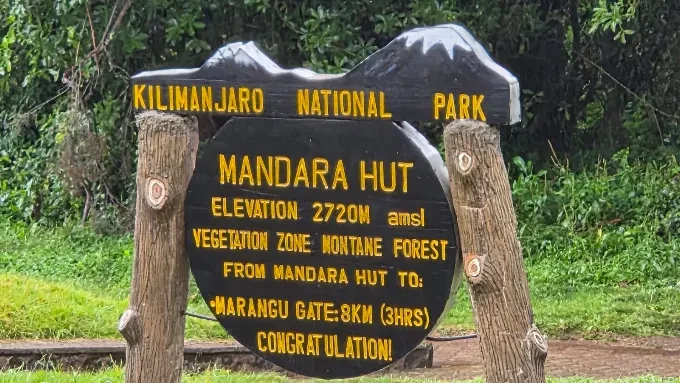
Mandara Huts Camp is the first overnight stop on the Marangu Route and one of the few campsites on Mount Kilimanjaro that offers hut accommodation instead of tents. At 2,720 meters in the rainforest zone
We offer a six (6) day Marangu Route experience to Mount Kilimanjaro. The Marangu Route is also known as the “Coca-Cola Route”. Marangu is the park’s headquarters and the easiest route on the mountain
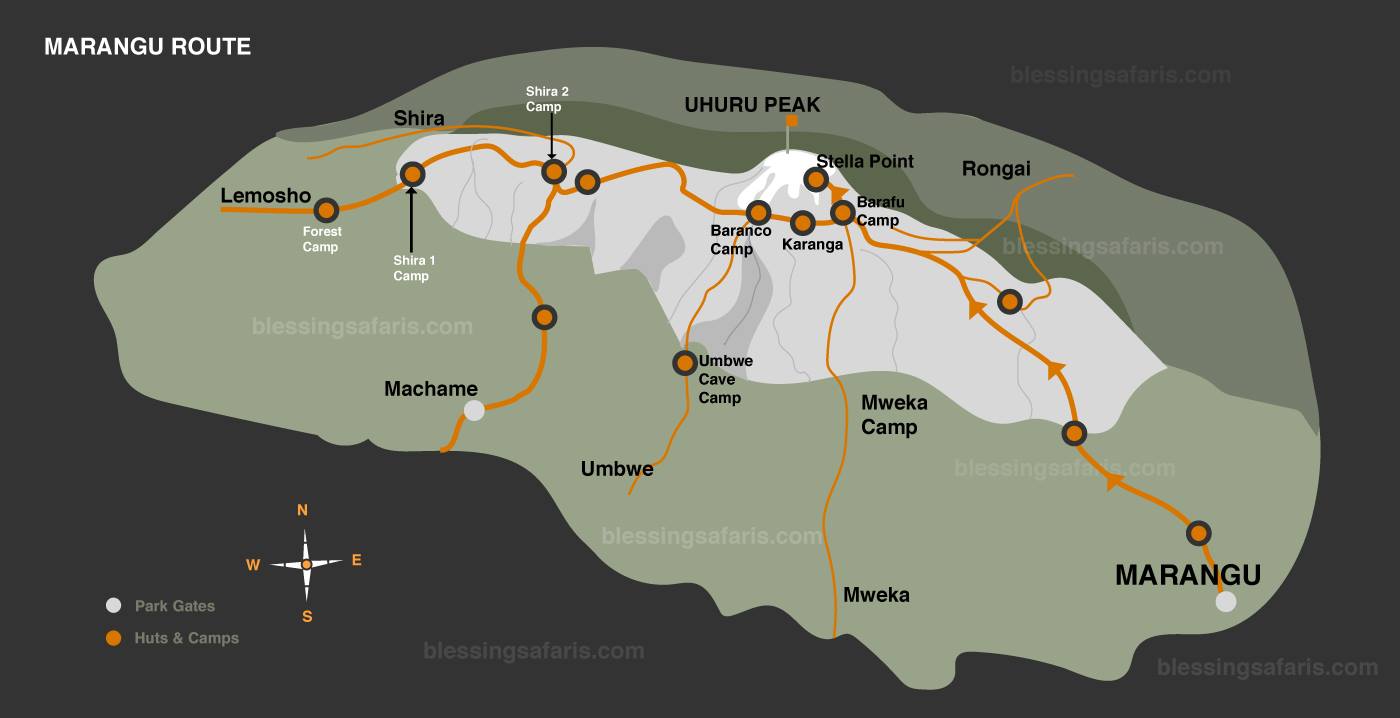
The Marangu Route is Kilimanjaro’s most historic and popular path, known as the “Coca-Cola Route” for its simple comforts. It is the only route with permanent mountain huts, offering trekkers shelter and a structured climbing experience.