Reusch Crater

Reusch Crater2026-07-25T14:56:25+00:00

Reusch Crater KILIMANJARO

Reusch Crater is one of the most remarkable features on Mount Kilimanjaro, showing the volcanic forces that shaped Africa’s tallest mountain. Found inside the larger Kibo Crater at the summit, it stretches about 1,300 meters and stands out to climbers approaching Uhuru Peak.
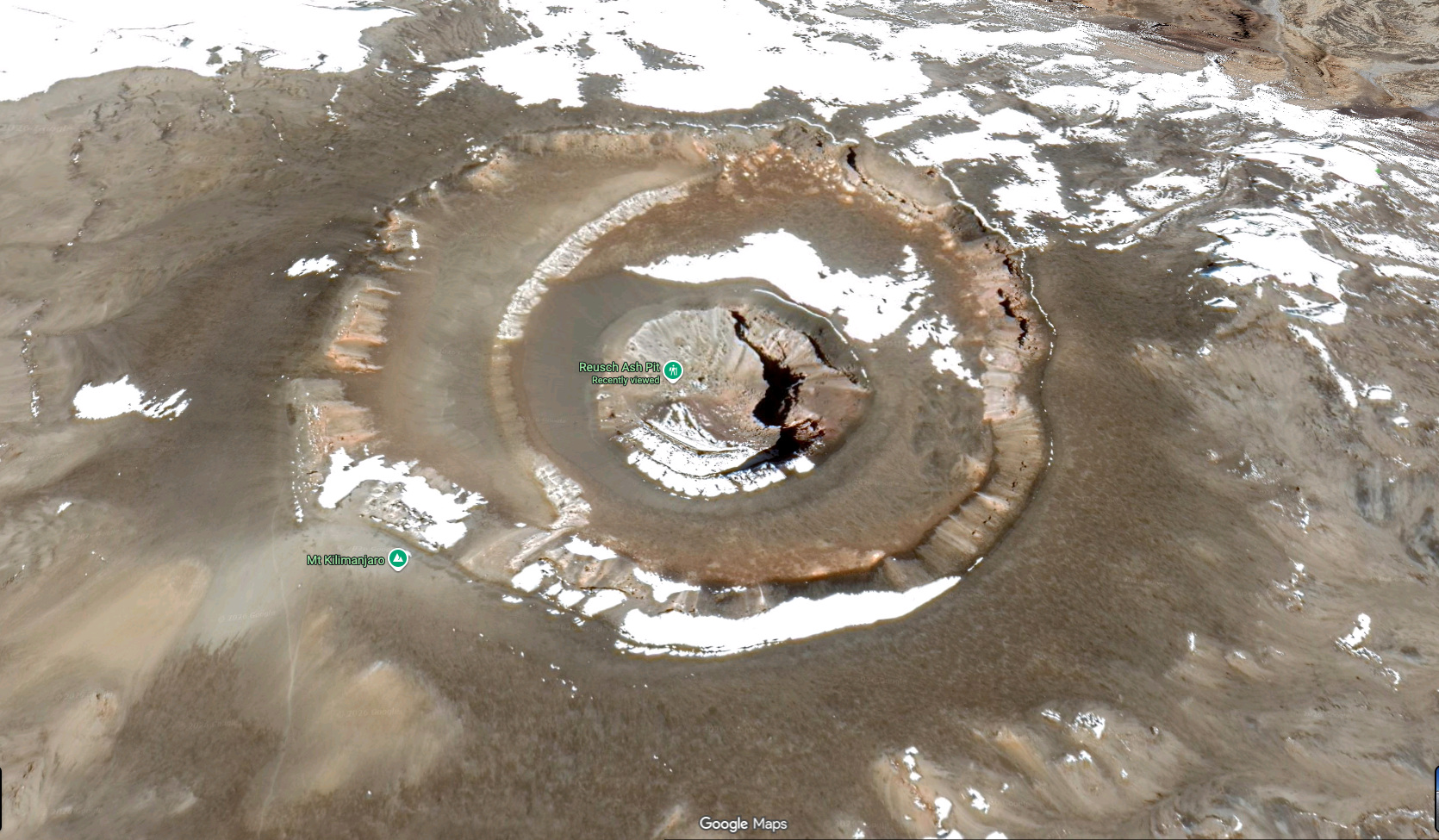
The crater is a clear reminder of Kilimanjaro’s volcanic past. Kibo, the highest part of the mountain, has three craters: the main Kibo Crater (2.5 kilometers wide), the smaller Reusch Crater (about 1,300 meters across), and the Ash Pit at the center (about 140 meters wide), which shows the mountain’s most recent volcanic activity.
While local communities have known about Kilimanjaro’s features for a long time, Western explorers first recorded Reusch Crater in 1926. Gustav Otto Richard Reusch, a German missionary, made this important discovery, as earlier climbing routes missed this unique part of the mountain.

Reursch and ash pit on kilimanjaro

The Discovery of Reusch Crater

Gustav Otto Richard Reusch

Reusch Crater is named after Gustav Otto Richard Reusch, a German missionary who spent much of his life exploring Mount Kilimanjaro. Living nearby, Reusch became very familiar with the mountain and is thought to have climbed it 65 times. In 1926, he found a new route to the summit that revealed a crater unknown to Western climbers.

Most people used the Marangu Route, which missed the crater, but Reusch’s different path led to this important discovery. To honor his work, the Tanganyika government named the crater after him in 1954, making his name a lasting part of Kilimanjaro’s story.

His determination to reach the summit and his discovery of the crater made him a legendary figure in the area. On December 11, 1927, Reusch married Elveda Bonander, a missionary nurse, in Marangu, Kilimanjaro.

Their connection to the mountain was recognized when Elveda Point, at 5,890 meters on the southern crater rim between Stella Point and Uhuru Peak, was named after Elveda Bonander Reusch.

Reusch’s Famous Discovery

The Frozen Leopard

One of the most intriguing stories associated with Reusch Crater involves a frozen leopard that Reusch discovered on the crater rim. This discovery is believed to have inspired Ernest Hemingway’s famous short story, “The Snows of Kilimanjaro,” published in 1936.

Hemingway’s tale begins with the line: “Close to the western summit there is the dried and frozen carcass of a leopard. No one has explained what the leopard was seeking at that altitude.” To record his discovery, Reusch cut off the leopard’s ear and took it home as a souvenir and proof of his find.

This unusual artifact became a tangible connection to one of Kilimanjaro’s most enduring mysteries—what drives animals to climb to such extreme altitudes?

Hemingway and Kilimanjaro

Hemingway’s story brought Kilimanjaro and its frozen leopard to a global audience, cementing the mountain’s place in literary history. The image of a leopard at 5,000 meters has captured readers’ imagination for generations, symbolizing the inexplicable drives that push both animals and humans to extreme heights.

The Ash Pit

Geological Significance

At the center of Reusch Crater lies the Ash Pit, a smaller crater approximately 140 meters wide. This feature represents the most recent volcanic activity on Kilimanjaro and is one of the crater’s most impressive sights. The Ash Pit is a powerful reminder that Kibo, while dormant, remains a living volcanic system with the potential for future activity.

Richard Reusch was also the first to discover the Ash Pit, adding another significant achievement to his legacy of exploration. The Ash Pit offers visitors a glimpse into the mountain’s volcanic heart, with its dark, dramatic walls and the lingering evidence of ancient eruptions.

Visiting the Ash Pit

For those staying overnight at Crater Camp, the Ash Pit is accessible via a two- to three-hour round-trip hike. This excursion offers unparalleled views and exceptional photo opportunities, allowing climbers to experience one of Kilimanjaro’s most extraordinary features up close.

Reusch Crater Kilimanjaro History

Naming and Recognition

The crater was officially named Reusch Crater in 1954 by the Tanganyika government, recognizing Reusch’s contributions to Kilimanjaro’s exploration. Before Reusch’s discovery, the crater had been largely overlooked by climbers, who typically approached the summit via routes that bypassed this feature.

Elveda Point

Elveda Point, named after Richard Reusch’s wife Elveda Bonander Reusch, sits at 5,890 meters on the southern crater rim between Stella Point and Uhuru Peak. This naming further acknowledges the Reusch family’s connection to Kilimanjaro and their contributions to the mountain’s exploration.

Reusch’s Legacy

Richard Reusch’s legacy extends beyond the crater that bears his name. His 65 ascents, his discovery of both Reusch Crater and the Ash Pit, and his determination to reach the summit under challenging conditions have made him a legendary figure in Kilimanjaro’s history.

Climbing to Reusch Crater

Routes to the Crater

Reusch Crater is accessible via several Kilimanjaro routes, including Machame, Lemosho, and Umbwe, which approach the summit from the south. These routes allow climbers to experience the crater’s majesty firsthand during their summit attempt.

The Crater Camp Experience

For those wishing to explore Reusch Crater in more depth, overnight stays at Crater Camp offer the opportunity to visit the Ash Pit and explore the crater at leisure. These expeditions, which require special permits, provide an unparalleled Kilimanjaro experience.

Reusch Crater FAQ

What Is Reusch Crater?

Reusch Crater is a crater within the larger Kibo Crater on Mount Kilimanjaro, measuring approximately 1,300 meters across. It is one of three craters within Kibo and contains the Ash Pit at its center.

Who Discovered Reusch Crater?

Reusch Crater was discovered in 1926 by Gustav Otto Richard Reusch, a German missionary who lived in the Kilimanjaro region and climbed the mountain 65 times.

Where Is Reusch Crater Located?

Reusch Crater is located within Kibo Crater on the summit of Mount Kilimanjaro. It sits at approximately 5,760 meters above sea level, on the southern crater rim.

What Is the Ash Pit?

The Ash Pit is a smaller crater approximately 140 meters wide located at the center of Reusch Crater. It represents Kilimanjaro’s most recent volcanic activity.

Is Reusch Crater Active?

Kibo, the cone containing Reusch Crater, is classified as dormant. While no major eruptions have occurred in centuries, volcanic gas still escapes from the crater, and the Ash Pit is evidence of recent geological activity.

Why Was It Named Reusch Crater?

The crater was named after Gustav Otto Richard Reusch, who discovered it in 1926. The Tanganyika government officially named it in his honor in 1954.

What Is the Story of the Frozen Leopard?

Richard Reusch discovered a frozen leopard on the crater rim in 1926. The discovery is believed to have inspired Ernest Hemingway’s famous story “The Snows of Kilimanjaro.” Reusch kept the leopard’s ear as proof of his find.

Can I Visit Reusch Crater?

Yes. Climbers on routes such as Machame, Lemosho, and Umbwe can see Reusch Crater during their summit attempt. Overnight stays at Crater Camp allow for exploration of the crater and Ash Pit.

How Deep Is Reusch Crater?

Reusch Crater is a substantial depression within Kibo Crater, measuring approximately 1,300 meters across. Its depth varies, with the Ash Pit at its center reaching significant depths.

What Is the Best Way to See Reusch Crater?

The best way to see Reusch Crater is to climb Mount Kilimanjaro via a southern route, such as Machame, Lemosho, or Umbwe. For a more in-depth experience, consider an overnight stay at Crater Camp.

Plan Your  Kilimanjaro Trek with Reusch Crater

Reusch Crater is one of the most amazing geological sights on Mount Kilimanjaro. Its striking landscape, interesting history, and link to famous stories make it a memorable part of any Kilimanjaro climb.
Our team creates custom Kilimanjaro trips that include Reusch Crater and other summit highlights. We offer skilled guides, reliable equipment, and full support for your adventure.
Get in touch to talk about your Kilimanjaro climb, plan your trip, or add a Tanzanian safari to your adventure. The volcanic heart of Kilimanjaro is waiting for you. Let us help you discover it. BOOK YOUR TRIP

Mount Kilimanjaro Climbing Packages

  • From $2,250

    9 Days, 8 Nights

    9 Days Northern Circuit Route

    Mt. Kilimanjaro

  • From $2,520

    10 Days, 9 Nights

    8 Days Lemosho Route

    Mt. Kilimanjaro

  • From $ 2,230

    9 Days , 8 Nights

    7 Days Machame Route

    Mt. Kilimanjaro

  • From $2,250

    9 Days, 8 Nights

    7 Days Lemosho Route

    Mt. Kilimanjaro

Meet Elibariki,

Your Trekking Specialist

+255 742 696 430
(Call or WhatsApp)

Meet Elibariki,

Your Trekking Specialist

+255 742 696 430
(Call or WhatsApp)

Enquire Now

CAPTCHA image

This helps us prevent spam, thank you.

Customer Reviews

Go to Top