
Lemosho Route Kilimanjaro
The Lemosho Route is renowned for its scenic beauty and high summit success rates. Approaching Kilimanjaro from the west offers a remote wilderness experience before joining the Machame Route.
The Lemosho Route stands out for its crossing of the Shira Plateau, an ancient caldera on the mountain’s western side. Trekkers enjoy flat, comfortable hiking with panoramic views unique to this approach. Starting at Londorossi Gate, the route offers fewer crowds and a peaceful, pristine environment in the early days.
The Lemosho Route is ideal for those seeking scenic variety and effective acclimatization. Its seven- or eight-day itineraries allow for gradual altitude adjustment, leading to high summit success rates. Its popularity continues to grow among trekkers seeking a comprehensive Kilimanjaro experience.
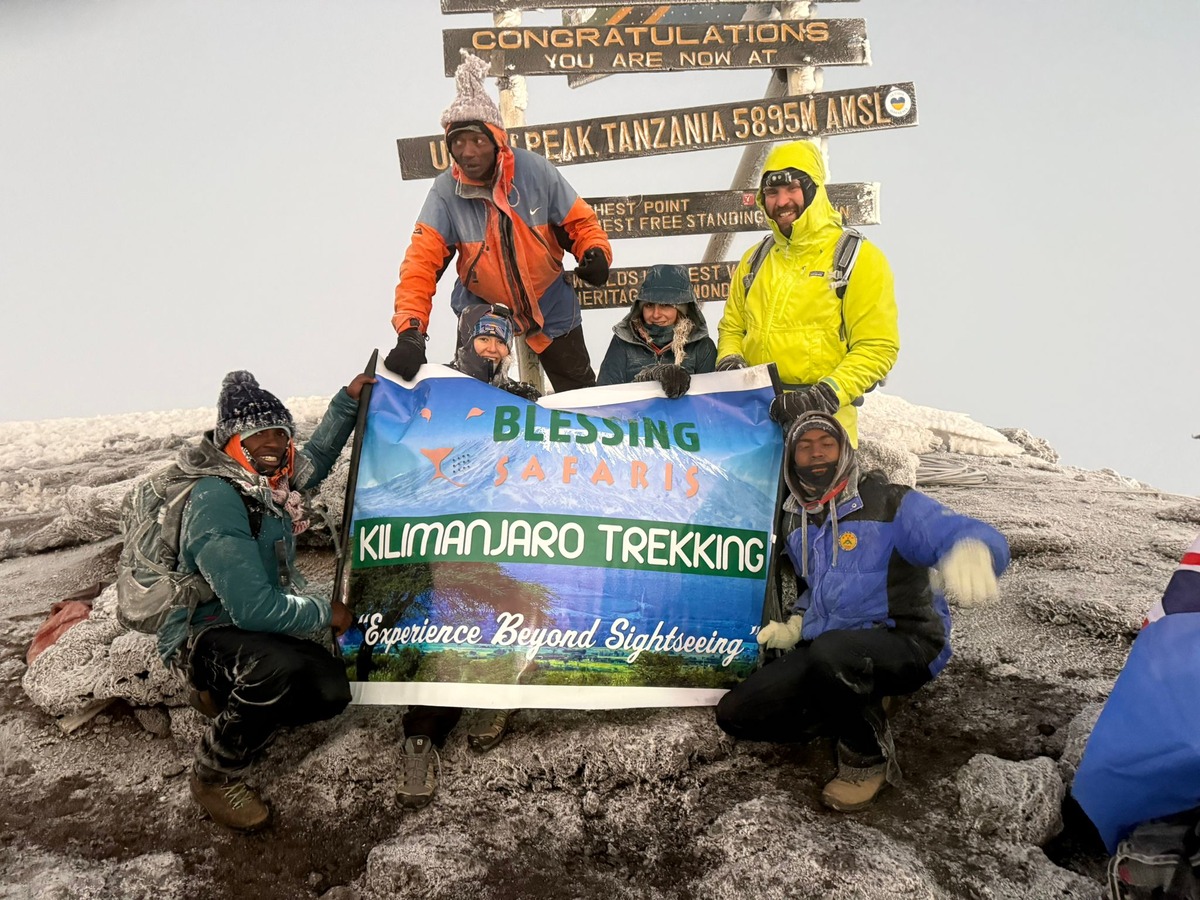
Why Choose the Lemosho Route for Your Kilimanjaro Climb
The Lemosho Route offers several advantages over other Kilimanjaro routes. Its western approach reveals unique mountain views, and the trail features gradual altitude gain through diverse terrain, from rainforest to the Shira Plateau.
Superior Acclimatization Profile
The extended Lemosho Route itinerary represents one of the primary reasons for its exceptional summit success rates. With seven or eight days on the mountain, climbers have sufficient time to adapt gradually to the thinning air.
This careful approach to altitude acclimatization dramatically reduces the risk of altitude sickness and improves the chances of reaching Uhuru Peak.
The “climb high, sleep low” principle features prominently throughout the Lemosho Route. Trekkers ascend to higher elevations during the day, then descend to sleep at lower camps, thereby stimulating physiological adaptations that enhance oxygen utilization.
This proven technique has made the Lemosho Route one of the most successful trails for first-time high-altitude climbers.
Pristine Wilderness Experience
The Lemosho Route provides genuine solitude, especially in the first days when few trekkers are present. The trail passes through pristine rainforest with frequent wildlife sightings, including black-and-white colobus monkeys, blue monkeys, and various bird species.
Upon reaching the Shira Plateau, the landscape opens into a vast expanse. The flat terrain allows for easier hiking and uninterrupted views of Kibo Peak and the surrounding plains, offering excellent photographic opportunities.
Scenic Diversity
The Lemosho Route traverses all of Kilimanjaro’s ecological zones, from rainforest to arctic summit, ensuring varied and engaging scenery each day:
- Rainforest Zone: Dense, mossy forests teeming with wildlife
- Shira Plateau: Ancient caldera with panoramic views
- Heath and Moorland: Giant groundsels and lobelias
- Alpine Desert: Volcanic rocks and dramatic landscapes
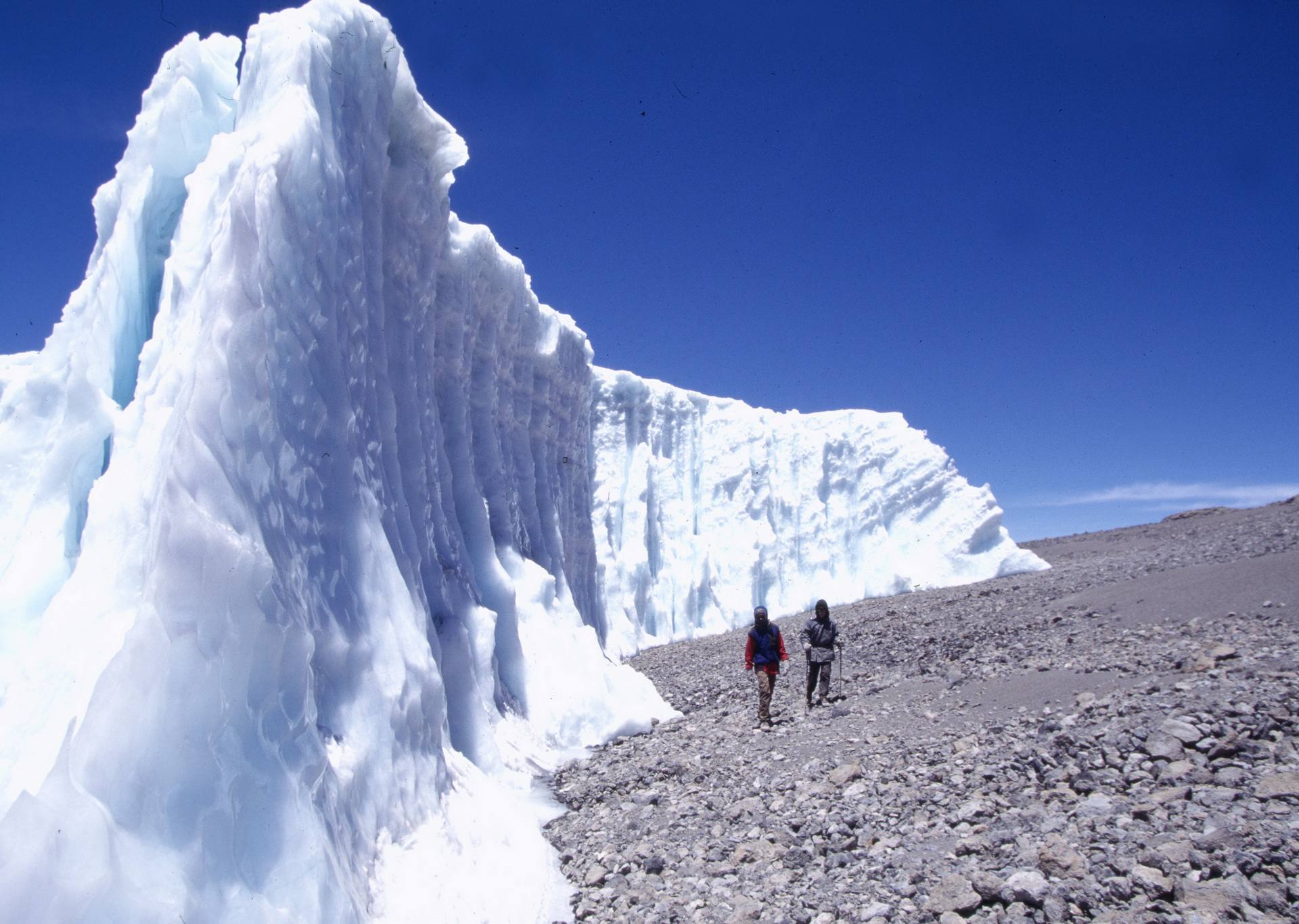
- Glacial Zone: Ice formations and snowfields near the summit
Lemosho Route Wildlife
A key attraction of the Lemosho Route is its wildlife viewing, especially in the initial forest section. The western approach passes through undisturbed habitats where animals are less affected by human presence.
The rainforest section of the Lemosho Route offers excellent chances to spot:
- Black-and-white colobus monkeys with their striking appearance
- Blue monkeys moving through the canopy
- Various antelope species, including bushbucks and duikers
- Elephants occasionally visit the lower slopes.
- Diverse bird life, including turacos, hornbills, and sunbirds
These wildlife encounters enhance your Kilimanjaro experience, highlighting the mountain’s rich ecosystems and dramatic landscapes.
Lemosho Route Kilimanjaro Map
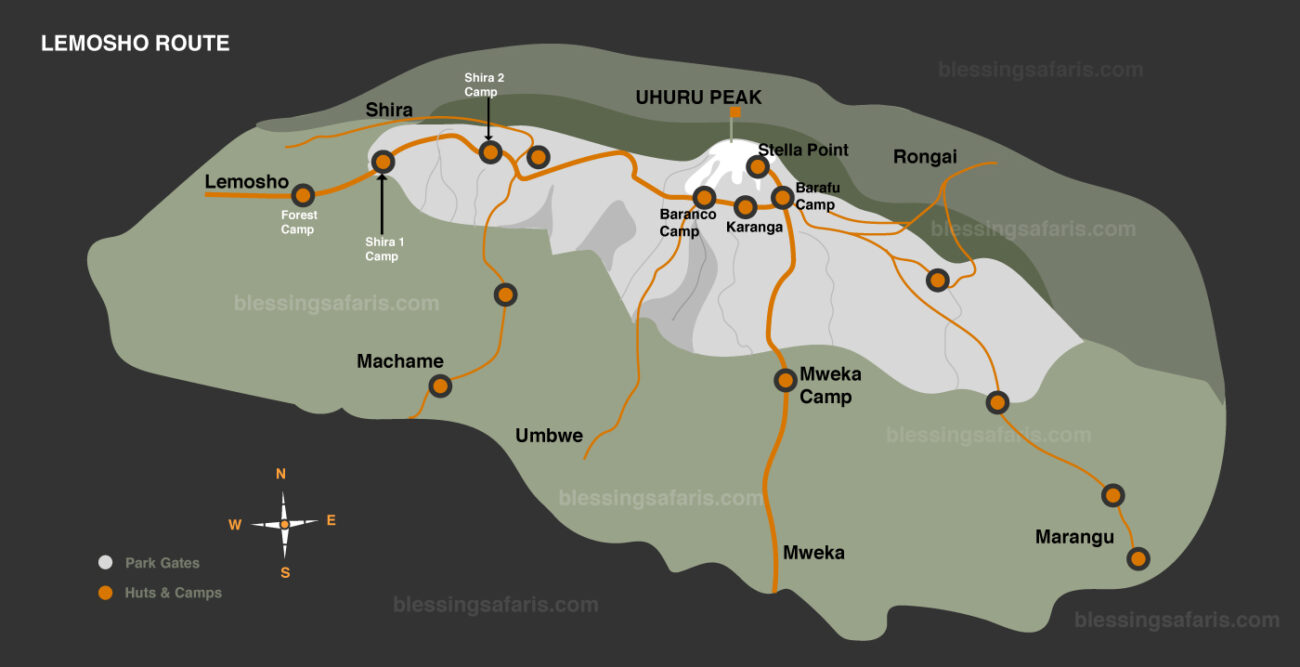
Lemosho Route Overview
| DAY | STARTING CAMP | ALTITUDE | FINISH CAMP | ALTITUDE | TIME | DISTANCE |
| 1 | Lemosho Gate | 2100m | Mti mkubwa | 2650m | 3hrs | 7km |
| 2 | Mti Mkubwa | 2650m | Shira 1 | 3610m | 4hrs | 7km |
| 3 | Shira 1 | 3610m | Shira 2 | 3850m | 4hrs | 10km |
| 4 | Shira 2 | 3850m | Lava Tower | 4600m | 4hrs | 7km |
| Lava Tower | 4600m | Baranco | 3900m | 2hrs | 3km | |
| 5 | Baranco | 3900m | Karanga | 3995m | 4hrs | 6km |
| 6 | Karanga | 3995m | Barafu | 4673m | 4hrs | 4km |
| 7 | Barafu | 4673m | Uhuru | 5895m | 7hrs | 5km |
| Uhuru | 5895m | Mweka Camp | 3100m | 7hrs | 12km | |
| 8 | Mweka camp | 3100m | Mweka Gate | 1640 | 3hrs | 10km |
Lemosho Route 8-Day Detailed Itinerary
Day 1: Londorossi Gate to Forest Camp
Your Lemosho Route adventure begins with a scenic drive from Arusha to Londorossi Gate on the mountain’s western side. After registering with park officials, you’ll start hiking through the rainforest, where exotic mosses and colorful flowers decorate the trail.
Listen for bird calls and watch for black-and-white colobus monkeys in the canopy. The 3-4 hour hike brings you to Forest Camp (2,895 meters / 9,498 feet) for your first night.
Day 2: Forest Camp to Shira 1 Camp
As you leave the montane forest and enter the Hagenia zone, the views begin to open dramatically. You’ll catch your first glimpse of Kibo Peak, the summit destination. This 6-9 hour hike features several ridges providing excellent acclimatization, reaching a high point of 11,500 feet before descending slightly to Shira 1 Camp (3,505 meters / 11,500 feet).
Day 3: Shira 1 Camp to Moir Camp
Today you’ll traverse the heath zone of the Shira Plateau, climbing the western slope of the Kibo Massif. The hike includes a picnic lunch at Scott Fisher Memorial Camp, named after the famous Everest guide. Continue to the upper heath zone and Moir Camp (4,160 meters / 13,650 feet). This 5-6-hour trek allows for afternoon acclimatization hikes if the weather permits.
Day 4: Moir Camp to Barranco Camp
As you leave the heath zone and enter the alpine zone, the landscape becomes increasingly dramatic with volcanic rock formations. You’ll hike 4-6 hours past Lava Camp, reaching elevations up to 14,300 feet before descending into the scenic Barranco Valley. Barranco Camp (3,976 meters / 13,044 feet) offers spectacular views of the surrounding cliffs.
Day 5: Barranco Camp to Karanga Camp
Today presents one of the Lemosho Route’s most memorable challenges—ascending the Great Barranco Wall. This steep cliff face requires careful footing and occasional handholds, but the views of Kilimanjaro’s ice fields from the top are worth the effort. After conquering the wall, continue through small valleys to Karanga Camp (3,995 meters / 13,106 feet). This 3-5 hour hike provides excellent acclimatization.
Day 6: Karanga Camp to Barafu Camp
Your journey continues through small valleys, gradually gaining altitude toward your final camp. Barafu Camp (4,603 meters / 15,100 feet) sits at the base of the summit route, where you’ll prepare for the midnight ascent. This 3-5 hour trek allows time for rest and a safety equipment demonstration, including the use of Gamow bags and oxygen. An early dinner precedes your summit attempt.
Day 7: Barafu Camp to Uhuru Peak to Mweka Camp
The summit day begins around midnight, with headlamps illuminating the steep path upward. The 6-7-hour ascent leads to Stella Point (5,756 meters), then continues for 1-2 hours along the crater rim to Uhuru Peak (5,895 meters / 19,341 feet). Sunrise views from the summit create unforgettable memories. After celebrating at the Uhuru Peak sign, descend to Barafu Camp for lunch, then continue to Mweka Camp (3,100 meters / 10,448 feet). This demanding day typically lasts 12-17 hours.
Day 8: Mweka Camp to Mweka Gate to Arusha
The final descent through the rainforest takes 3-5 hours to Mweka Gate (1,640 meters / 5,000 feet). Here you’ll receive your summit certificate, say farewell to your mountain crew, and drive back to Arusha for a well-deserved shower and celebratory dinner.
Lemosho Route Difficulty and Physical Requirements
The Lemosho Route balances a longer itinerary for better acclimatization with a significant overall challenge. Knowing what to expect will help you prepare effectively for the journey.
Physical Preparation
Although the Lemosho Route allows for better acclimatization, strong cardiovascular fitness is still required. The Barranco Wall and summit night demand endurance and determination. Begin training 2-3 months in advance, focusing on long hikes, stair climbing, and aerobic exercise.
Altitude Considerations
Altitude remains the primary challenge on any Kilimanjaro route. The Lemosho Route’s extended itinerary provides the best protection against altitude sickness, but symptoms can still affect anyone. Understanding your body’s response to altitude and following your guide’s recommendations is essential for a safe, successful climb.
Mental Preparation
Mental preparation is essential for climbing Kilimanjaro. Summit night is demanding due to cold, darkness, and fatigue. Maintaining a positive mindset and trusting your guide will help you overcome challenges.
Lemosho Route Summit Success Rates
The Lemosho Route achieves one of the highest summit success rates on Kilimanjaro, with about 90% reaching Uhuru Peak on the 8-day route and 85% on the 7-day version.
Expert operators report over 95% success for the 8-day Lemosho Route and 92% for the 7-day option. These results highlight the route’s effective design.
Expert operators report over 95% success on the 8-day Lemosho Route and 92% on the 7-day option, demonstrating the effectiveness of the route’s design and acclimatization strategy.
Lemosho Route Scenery: The Most Beautiful Trail on Kilimanjaro
The Lemosho Route is considered Kilimanjaro’s most scenic trail. Its western approach reveals landscapes unavailable on other routes, providing a unique climbing experience.
The Shira Plateau Experience
A key feature of the Lemosho Route is the Shira Plateau crossing, an ancient caldera on the mountain’s western side. The flat terrain offers relief from steep ascents and panoramic views, including Kibo Peak.
Lava Tower and Barranco Wall
After joining the Machame Route, the Lemosho Route passes two of Kilimanjaro’s most iconic landmarks:
- Lava Tower (4,600 meters): A dramatic volcanic formation that marks the highest point reached before descending to sleep at a lower elevation.
- Barranco Wall: A well-known cliff that challenges climbers and offers views of the southern ice fields
Unique Perspectives
The western approach provides unique mountain views not seen from other routes. The first view of Kibo Peak after the forest is especially inspiring.
Comparing the Lemosho Route with Other Kilimanjaro Routes
Lemosho vs. Machame Route
Both routes share the southern circuit and Barranco Wall, but the Lemosho Route has three main advantages:
- Additional acclimatization days improve summit success.
- The Western approach offers unique scenery and solitude.
- Shira Plateau crossing offers relatively flat hiking through spectacular terrain.
Lemosho vs. Marangu Route
The Lemosho Route provides better acclimatization and more varied scenery than the hut-based Marangu Route. While Marangu offers comfort, Lemosho delivers a true wilderness experience.
Lemosho vs. Rongai Route
The Rongai Route approaches from the north with drier conditions and distinct scenery. Lemosho offers greater landscape variety and better acclimatization, making it the preferred choice for most climbers.
Lemosho vs. Northern Circuit Route
The Northern Circuit Route offers the most comprehensive acclimatization at 9-10 days. The Lemosho Route’s 8-day itinerary balances scenic beauty, acclimatization, and accessibility.
Best Time to Climb the Lemosho Route
The optimal seasons for Lemosho Route trekking are:
- January to February: Warm, clear conditions with excellent visibility
- June to October: Dry season with stable weather patterns
- September to October: Peak season with ideal climbing conditions
The rainy seasons (March-May and November-December) bring muddy trails and limited visibility. April and May are particularly wet and best avoided. While Kilimanjaro’s proximity to the equator allows year-round climbing, choosing the dry seasons significantly improves your experience.
Frequently Asked Questions About the Lemosho Route
How Challenging Is the Lemosho Route?
The Lemosho Route is considered one of Kilimanjaro’s easier trails because of its longer itinerary and better acclimatization. However, climbers still face challenges such as the Barranco Wall and summit night ascent. No technical skills are needed, but good fitness is essential.
How Long Is the Lemosho Route?
The Lemosho Route spans about 71 kilometers (43 miles) from the trailhead to the summit and to Mweka Gate. The minimum duration is 7 days, but the 8-day itinerary improves summit success. Including arrival and departure, plan for 9-10 days in Tanzania.
What Is the Summit Success Rate on the Lemosho Route?
Industry statistics indicate about 90% summit success for the 8-day Lemosho Route and 85% for the 7-day version. Expert operators achieve over 95% success with proper acclimatization and guidance.
What Scenery Can I Expect on the Lemosho Route?
The Lemosho Route offers the most scenic diversity on Kilimanjaro, crossing the Shira Plateau and five climatic zones. Highlights include rainforest, heath and moorland, alpine desert, and glacial areas near the summit.
When Is the Best Time to Trek the Lemosho Route?
The best months to trek are July to September and January to February, when the weather is most stable. April and May bring heavy rains, making trails difficult and reducing visibility.
Plan Your Lemosho Route Adventure Today
The Lemosho Route is the premier Kilimanjaro climbing experience, combining scenic beauty, optimal acclimatization, and high summit success rates. It offers a complete adventure for both first-time trekkers and experienced mountaineers.
Our team designs personalized Lemosho Route expeditions with a focus on safety, comfort, and summit success. We offer experienced guides, quality equipment, and comprehensive support throughout your Kilimanjaro journey.
Contact us to discuss your Lemosho Route climb, customize your itinerary, or combine your Kilimanjaro adventure with a Tanzanian safari. The most scenic trail to Africa’s highest peak awaits. Let us help you reach the summit. Book Your Trip Now
Lemosho Route Kilimanjaro
You May Also Like
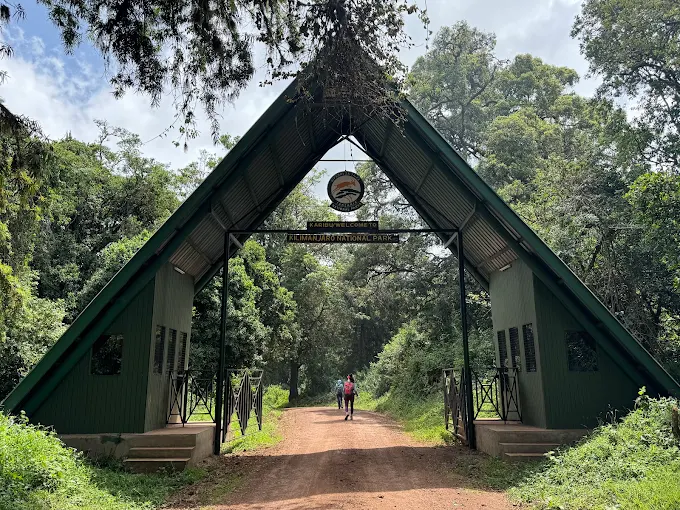
The 8-day Lemosho route climbing is the best choice for people with enough time to spend on the mountain. Spending many days on Kilimanjaro helps you acclimatize naturally to the high altitude, reducing the risk of altitude sickness.
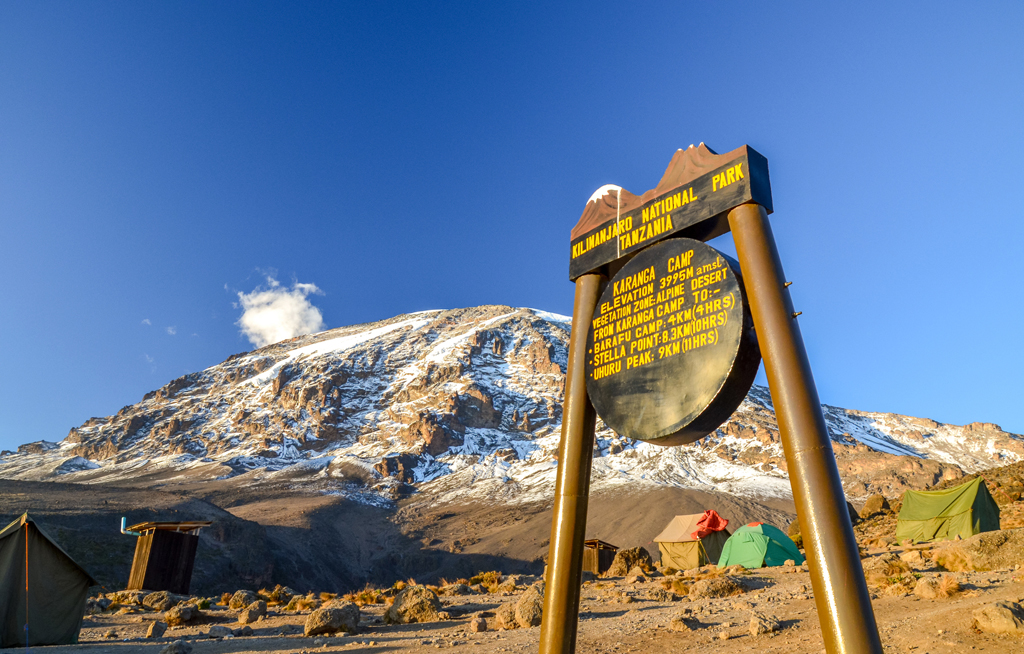
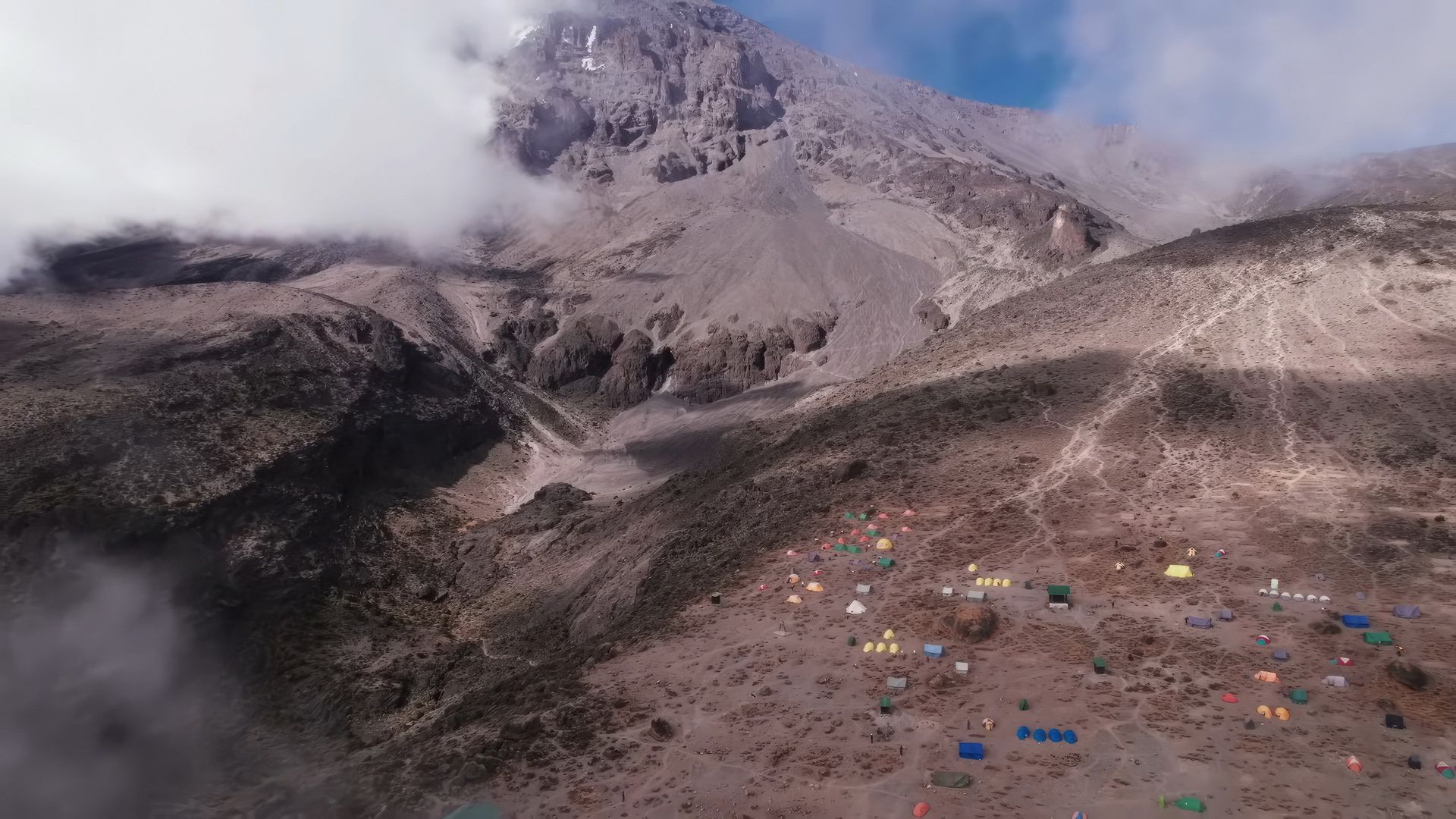
Karanga Camp, also called Karanga Hut Campsite, is strategically located on Kilimanjaro’s southern circuit and serves as a key acclimatization stop for climbers. Positioned at about 3,995 meters (13,106 feet), the camp is named for the Karanga Valley, a prominent gorge that crosses Kibo’s southern side.
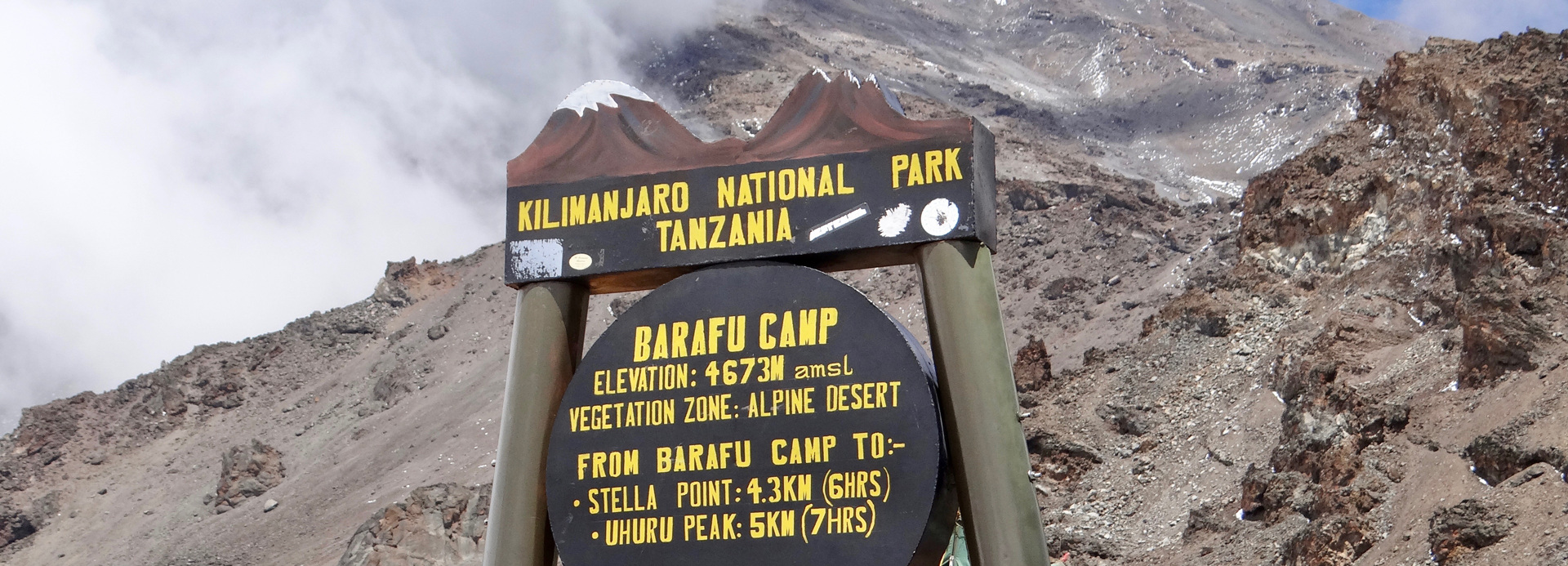
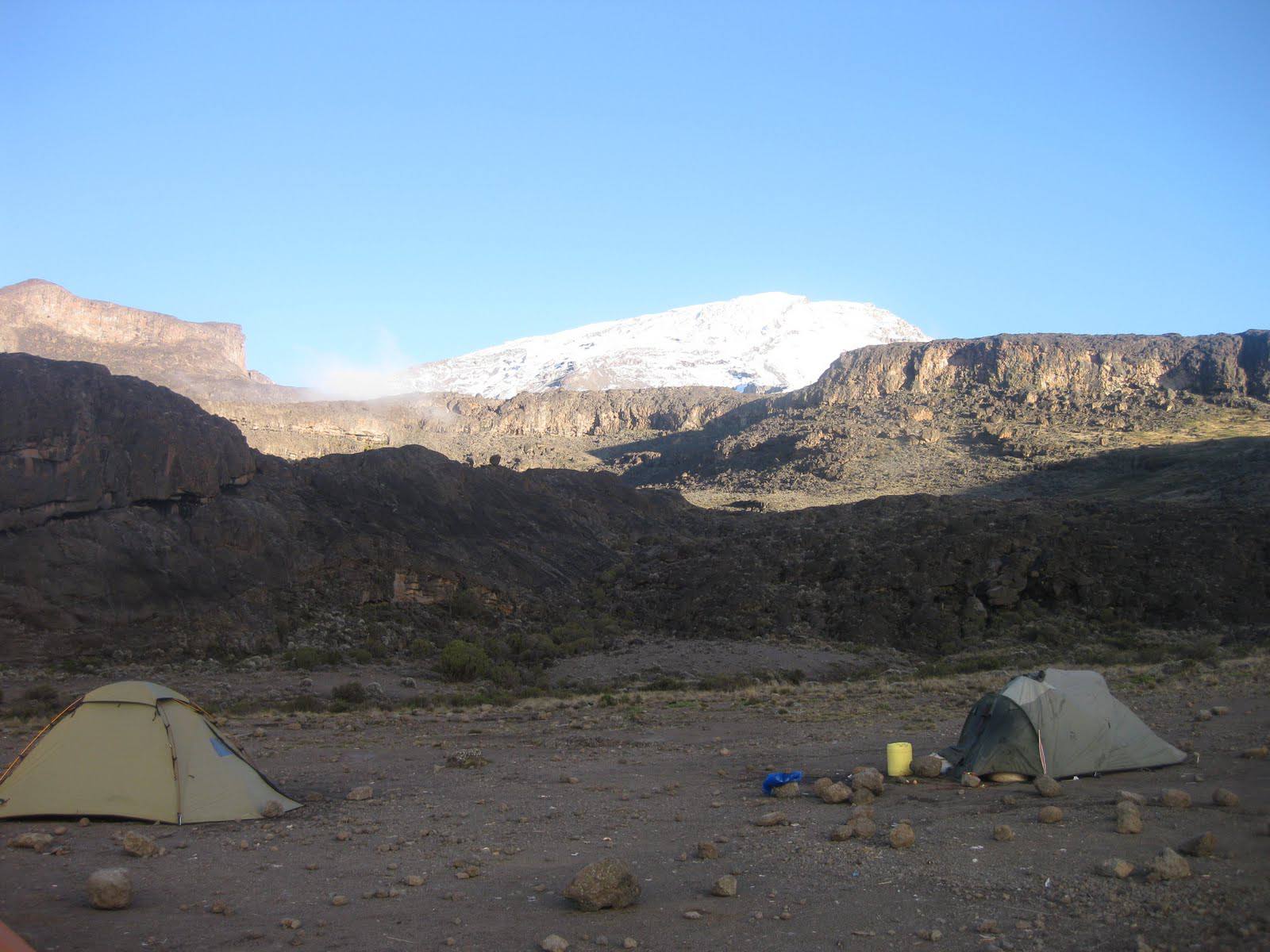
Barafu Camp, also called Barafu Hut Camp, is the final overnight stop for most climbers aiming for Uhuru Peak, Africa’s highest point. “Barafu” means “ice” in Swahili, aptly describing this cold, exposed campsite on the southeastern slopes of Kibo at 4,673 meters (15,330 feet) above sea level.