Kosovo Camp KILIMANJARO
Kosovo Camp is one of Mount Kilimanjaro’s most strategically located high-altitude campsites, providing climbers with a distinct advantage for reaching Uhuru Peak. Situated in the Arctic zone at approximately 4,870 meters (15,978 feet), it serves as a resting point or overnight option for trekkers on the Machame, Lemosho, and Umbwe routes.
Kosovo Camp’s location just above the well-known Barafu Camp gives climbers a significant head start on summit day, reducing the elevation gain required to reach the crater rim. This results in about 15% less distance to cover on Kilimanjaro’s most challenging day.
The camp’s relative obscurity means far fewer crowds compared to Barafu Camp, which can accommodate hundreds of climbers and crew during peak season. This solitude allows for better rest and a more peaceful pre-summit experience, which is rare on Kilimanjaro’s busy southern circuit.
However, Kosovo Camp’s exclusivity requires special permits for overnight stays, and its limited facilities mean climbers must prepare in advance. Despite these factors, it is becoming a popular choice among experienced trekkers and guides seeking a strategic advantage for their summit attempt.
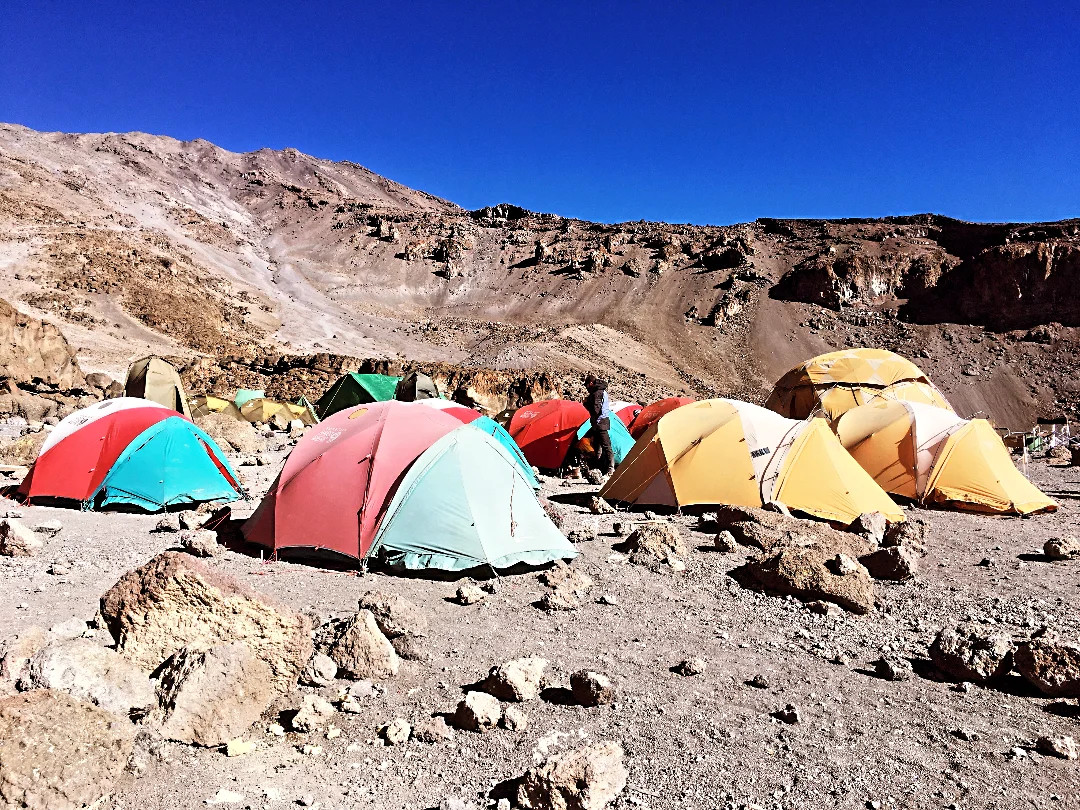
Kosovo Camp Location on Kilimanjaro
Geographic Position
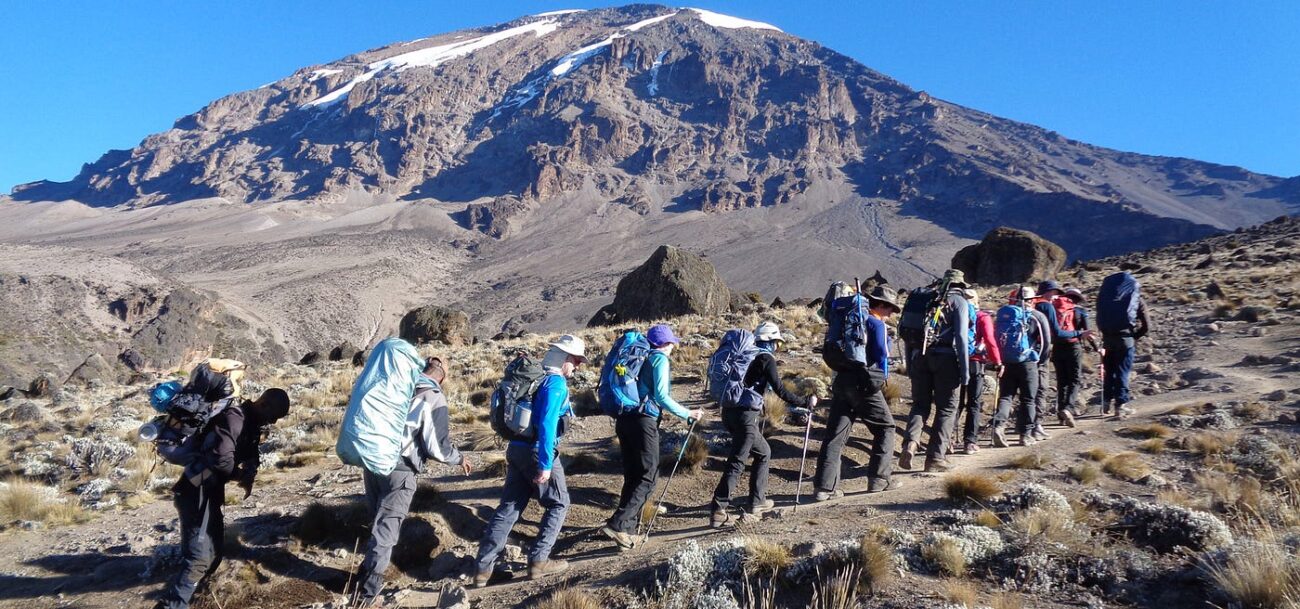
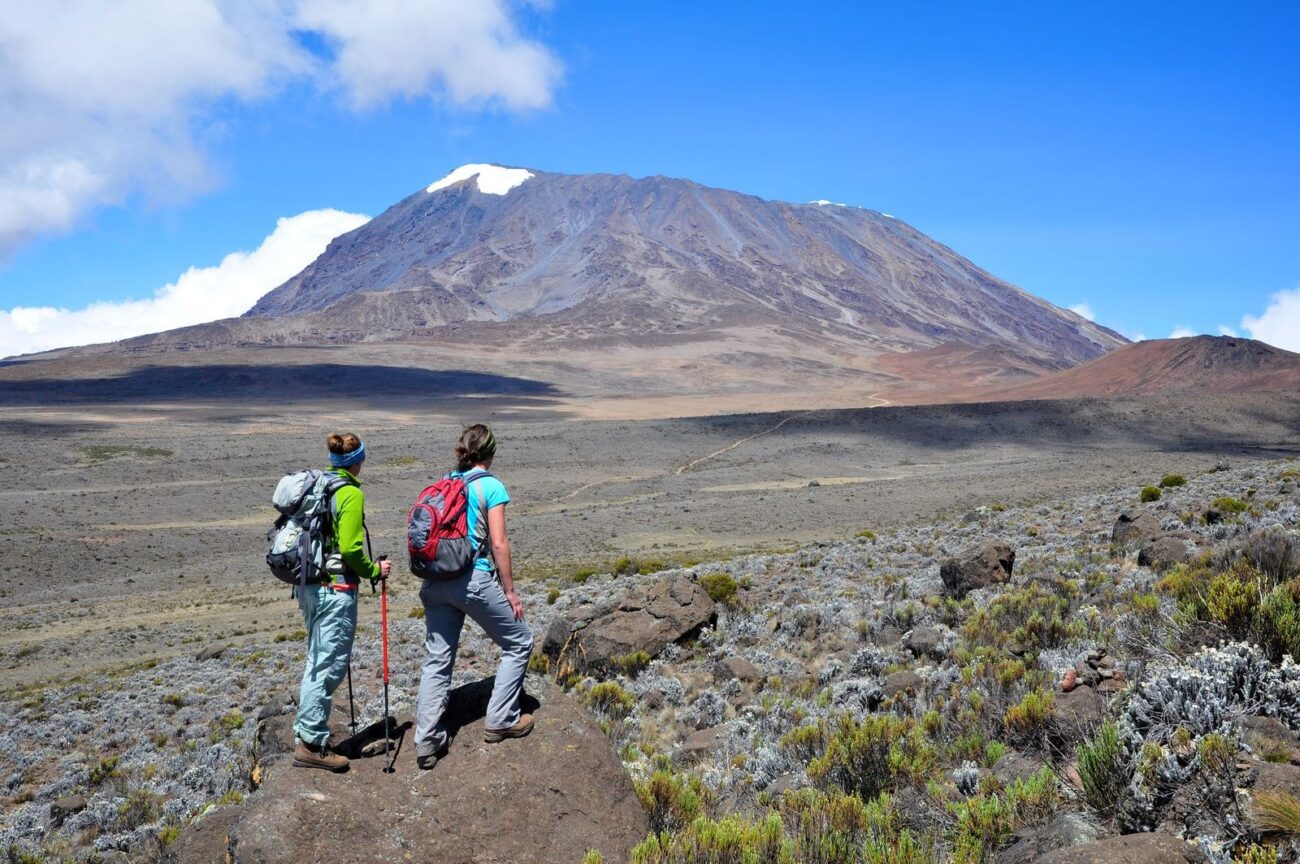
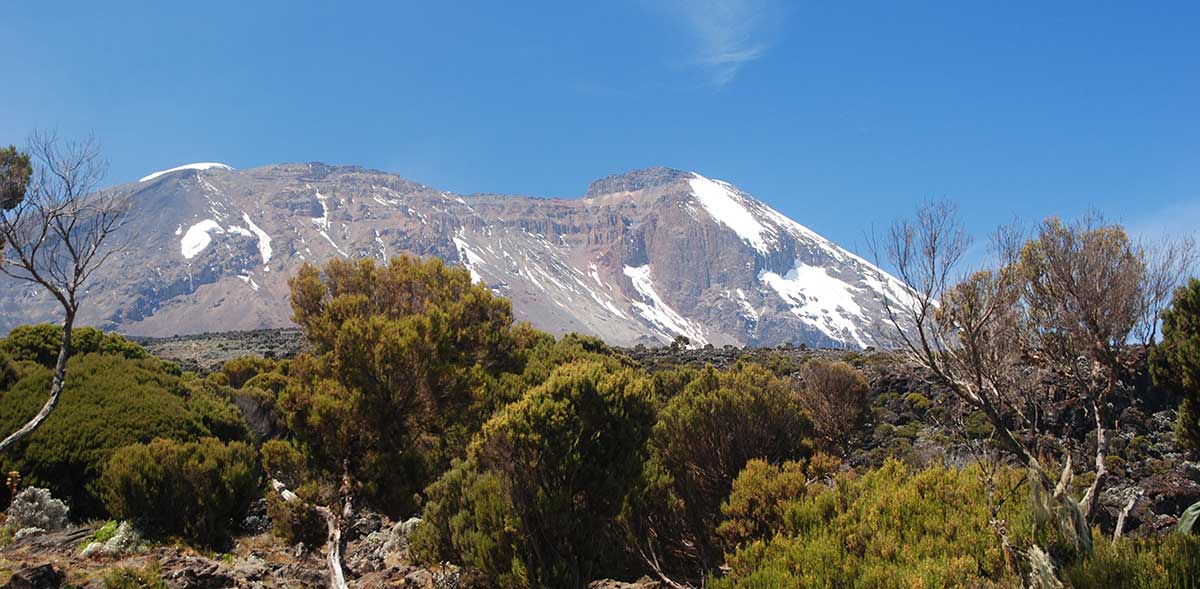
Kosovo Camp occupies a rocky, exposed position in Kilimanjaro’s arctic zone, southwest of Kibo Peak and above the main Kibo huts. The camp sits at 4,870 meters (15,978 feet), placing it approximately 200 meters (656 feet) above the more commonly used Barafu Camp.
The location offers strategic advantages for summit attempts:
- Closer proximity to the crater rim
- Reduced summit day distance
- Earlier access to the summit trail
- Less crowded conditions
Why Kosovo Camp Is Special
Kosovo Camp is classified as a “special campsite” on Kilimanjaro and requires specific permits for overnight stays. This designation reflects its unique position and the additional considerations needed for camping at this elevation.
The camp serves primarily as a resting point for climbers heading to Uhuru Peak via the Machame, Lemosho, or Umbwe routes. On summit night, climbers typically ascend about 200 meters, cross a rocky pass, take a brief rest at Kosovo, and then continue to the summit—a journey that becomes significantly more manageable by starting from this higher elevation.
Routes Accessing Kosovo Camp
Kosovo Camp is accessible to climbers on:
- Machame Route: The most popular route, approaching from the south
- Lemosho Route: The scenic route that merges with Machame near Lava Tower
- Umbwe Route: The challenging, direct route from the south
All these routes use the southern circuit, making Kosovo Camp a viable alternative to Barafu Camp for climbers seeking a strategic advantage.
Kosovo Camp vs. Barafu Camp: Understanding the Difference
Choosing between Kosovo Camp and Barafu Camp is a key decision when planning a Kilimanjaro expedition.
Barafu Camp (4,645 meters / 15,331 feet)
- Primary summit camp for most climbers
- Very crowded during peak seasons
- Standard permit included in most itineraries
- More facilities, including toilets and water (limited)
- Traditional midnight start for summit attempt
Kosovo Camp (4,870 meters / 15,978 feet)
- Elevated summit camp offering a head start
- Rarely crowded with limited climbers
- Special permit required ($118 USD per person)
- Limited facilities (one toilet, requires portable toilets)
- More rest before the summit with a shorter summit day
Why Choose Kosovo Over Barafu?
Advantages of Kosovo Camp:
- Reduced Summit Distance: Starting from Kosovo Camp shortens summit day by about 15%, saving at least 1,000 feet of elevation gain compared to Barafu Camp.
- Better Rest: Climbers can enjoy a full night’s sleep at Kosovo Camp and avoid the traditional midnight wake-up, ensuring they are well-rested for the summit push.
- Less Crowded: Barafu Camp can host hundreds of climbers and crew during peak season. Kosovo Camp’s limited capacity offers greater privacy and a quieter pre-summit environment.
- Easier Route Navigation: The rocky pass between Barafu and Kosovo is easier to cross in daylight, reducing the difficulty of summit-night navigation.
- Strategic Advantage: The higher starting point provides both psychological and physical benefits, as you are already closer to your goal.
Considerations for Kosovo Camp:
- Additional Cost: In 2024, Kilimanjaro National Park introduced a mandatory fee of $100 USD + 18% VAT per person for overnight stays at Kosovo, totaling $118 USD.
- Limited Facilities: The camp has only one toilet, typically used by the mountain crew. Climbers must arrange portable toilets, which adds to the costs.
- Acclimatization Concerns: Ascending an additional 200 meters can hinder acclimatization for some climbers. The decision to stay in Kosovo should be based on the duration of your itinerary.
- Weather Conditions: The weather around Kosovo Camp is chilly, with strong winds and rocky terrain—conditions that require proper preparation and equipment.
Kosovo Camp Itinerary Options
8-Day Lemosho Route with Kosovo Camp Overnight
On the 8-day Lemosho route with overnight at Kosovo Camp, climbers follow this schedule:
Day 6: Trek from Karanga Camp, pass Barafu Camp at 4,550 meters, and proceed directly to Kosovo Camp for overnight. This allows for a shorter day just prior to the summit attempt, providing better rest.
Day 7: Summit attempt from Kosovo Camp. Starting from this higher elevation, climbers have a shorter distance to cover, allowing for a more traditional wake-up time and better-rested climbers.
7-Day Itinerary via Kosovo Camp
For 7-day itineraries, Kosovo Camp can be included, but acclimatization must be carefully considered. Rapid altitude gain on 6-day itineraries may increase the risk of altitude sickness, making Kosovo Camp less suitable.
Climbing from Karanga Camp to Kosovo Camp
The journey from Karanga Camp at 4,000 meters to Kosovo Camp at 4,870 meters takes approximately 4 hours. This hike passes the popular Barafu Camp, where most climbers typically stay before leaving for the summit at midnight.
Climbing from Barafu Camp to Kosovo Camp
The hike from Barafu Camp to Kosovo Camp takes only about one hour on foot. This short distance means climbers can easily move between the two camps, allowing for flexibility in planning.
Advantages of Staying at Kosovo Camp
Time and Distance Savings
Climbers stay at Kosovo Camp before the summit to save time and energy. This reduces elevation gain by at least 1,000 feet compared to Barafu Camp, or about 25% of the summit distance.
This advantage allows climbers to:
- Navigate difficult sections earlier: Cross the tricky Barranco Wall early in the morning before the sun rises.
- Avoid crowds: Start the summit attempt before the masses from Barafu Camp.
- Better pacing: Have more energy for the final section to Uhuru Peak
Reduced Crowds
Kosovo Camp’s limited use means you will experience far less crowding than at Barafu Camp. During peak season, Barafu can host hundreds of climbers and crew, often resulting in a noisy environment that disrupts rest.
Choosing Kosovo Camp provides:
- Privacy: Have the mountain to yourself
- Quiet: Better rest before the summit attempt
- Less stress: Avoid the rush of multiple groups starting simultaneously
Better Rest Quality
Overnighting at Kosovo Camp is important because climbers can have a full night’s sleep and get up at their usual time. Unlike starting, staying overnight at Kosovo Camp allows climbers to have a full night’s sleep and wake at a normal time. Unlike those starting from Barafu Camp at midnight, climbers from Kosovo Camp are well-rested for the ascent to Uhuru Peak. Beforehand, climbers can rest better and approach the summit with more energy.
Special Campsites on Kilimanjaro: Kosovo and Beyond
Kosovo Camp is one of several “special campsites” on Kilimanjaro that require additional permits and fees. These camps offer unique advantages for climbers willing to pay the extra costs.
Kosovo Camp vs. Crater Camp
Crater Camp (5,730 meters / 18,800 feet) is located inside the crater itself, offering a unique opportunity to sleep near the summit. While Kosovo Camp provides a head start, Crater Camp offers the ultimate high-altitude experience with equally stringent permit requirements.
Moir Hut
Moir Hut (4,150 meters / 13,615 feet) is another special campsite on the Lemosho Route, offering an alternative to Shira 2 Camp with better views and less crowding. This camp provides excellent acclimatization opportunities.
Millennium Camp
Millennium Camp (3,820 meters / 12,530 feet) is located along the descent route near Mweka Camp, offering an alternative for climbers seeking a more gradual descent. By advance request, climbers can stay at Millennium Camp instead of Mweka Camp.
Why Choose Special Campsites?
- Privacy: Less crowded than standard camps
- Strategic position: Better views, better rest, or better access
- Unique experience: Sleep in rarely visited areas of the mountain
- Flexibility: Customize your itinerary to suit your needs
Note that additional fees apply for all special campsites, and arrangements must be made prior to your climb.
Facilities and Conditions at Kosovo Camp
Camp Infrastructure
Kosovo Camp is characterized by its basic facilities and challenging conditions:
- Accommodation: Tent camping only; no huts available
- Toilets: One toilet is typically used by the mountain crew; climbers must arrange portable toilets
- Water: Limited water availability; climbers must carry or arrange for water
- Shelter: Rocky terrain with minimal natural protection
- Weather: Chilly conditions with strong winds
Weather Conditions
The weather around Kosovo Camp is challenging:
- Temperatures: Often below freezing, especially at night
- Wind: Strong winds commonly blow across the exposed campsite
- Precipitation: Possible snow or ice, particularly during rainy seasons
- Visibility: Can be limited by cloud or fog
What to Pack for Kosovo Camp
- Four-season sleeping bag rated to -10°C or lower
- Thermal layers for extreme cold
- Windproof jacket and pants
- Warm hat and gloves
- Tent suitable for high-altitude conditions
- Portable toilet system (if overnighting)
- Stove and cooking equipment (if self-catering)
Acclimatization Considerations for Kosovo Camp Kilimanjaro
The Acclimatization Challenge
Staying at Kosovo Camp involves ascending an additional 200 meters above Barafu Camp. While this provides a strategic advantage for summit day, it can also hinder acclimatization if not managed properly.
The decision to stay in Kosovo should depend on:
- Expedition duration: Kosovo is a great option for 7- or 8-day itineraries
- Individual acclimatization: Some climbers adapt better than others
- Previous high-altitude experience: Experienced climbers may handle Kosovo better
Risk of Altitude Sickness
The rapid altitude gain to Kosovo Camp may increase the risk of altitude sickness, particularly for climbers on 6-day itineraries. Symptoms to watch for include:
- Headaches that don’t respond to medication
- Nausea or vomiting
- Dizziness or confusion
- Difficulty breathing at rest
- Loss of coordination
If you experience any of these symptoms, descending to a lower elevation may be necessary. Your guide will monitor your condition and make recommendations based on your individual response to altitude.
Tips for Acclimatization at Kosovo Camp
- Arrive early: Give yourself time to rest at the camp.
- Stay hydrated: Drink plenty of water throughout the day.
- Eat properly: Maintain nutrition even at high altitude.
- Rest well: Sleep quality is more important than quantity at this elevation.
- Monitor symptoms: Be honest with your guide about how you feel
- Consider Diamox: Discuss altitude medication with your doctor before the climb.
Frequently Asked Questions About Kosovo Camp Kilimanjaro
What is the Kosovo Camp on Kilimanjaro?
Kosovo Camp is a high-altitude campsite in Kilimanjaro’s arctic zone at 4,870 meters (15,978 feet). It serves as a resting point or overnight camp for climbers on the Machame, Lemosho, and Umbwe routes.
What Is the Difference Between Kosovo Camp and Barafu Camp?
Kosovo Camp is approximately 200 meters higher than Barafu Camp, offering a head start on summit day and significantly fewer crowds. However, Kosovo requires special permits and has limited facilities.
How Do You Reach Kosovo Camp?
Climbers typically reach Kosovo Camp via the Machame, Lemosho, or Umbwe routes. The journey from Karanga Camp takes about 4 hours, while the hike from Barafu Camp takes about 1 hour.
Do You Need a Permit for Kosovo Camp?
Yes. In 2024, Kilimanjaro National Park introduced a mandatory fee of $100 USD + 18% VAT per person for overnight stays at Kosovo, totaling $118 USD.
Is Kosovo Camp Better Than Barafu Camp?
Kosovo Camp offers advantages, including a shorter summit distance, better rest opportunities, and fewer crowds. However, it also involves additional costs, limited facilities, and potential acclimatization challenges. The decision depends on your itinerary and personal preferences.
What Are the Weather Conditions Like at Kosovo Camp?
Kosovo Camp experiences freezing temperatures, strong winds, and rocky terrain. Proper preparation and equipment are essential for comfort and safety.
Can You Stay at Kosovo Camp on a 6-Day Itinerary?
While possible, staying at Kosovo Camp on a 6-day itinerary may increase the risk of altitude sickness due to rapid altitude gain. The decision should be made in consultation with your guide based on your acclimatization status.
Plan Your Kosovo Camp Adventure
Kosovo Camp offers a unique opportunity for experienced Kilimanjaro climbers seeking a strategic advantage in their summit attempt. Kosovo Camp provides experienced Kilimanjaro climbers with a strategic advantage for their summit attempt.
Starting from this higher elevation means a shorter summit day, better rest, and fewer crowds, all of which can be critical for success on Africa’s highest peak. b
Our team designs personalized Kilimanjaro expeditions that can include overnight stays at Kosovo Camp, ensuring the best possible experience.
We provide experienced guides, quality equipment, and comprehensive support throughout your climb. The summit awaits—let us help you reach the top. Book Your Trek With Us
Mount Kilimanjaro Tour Packages
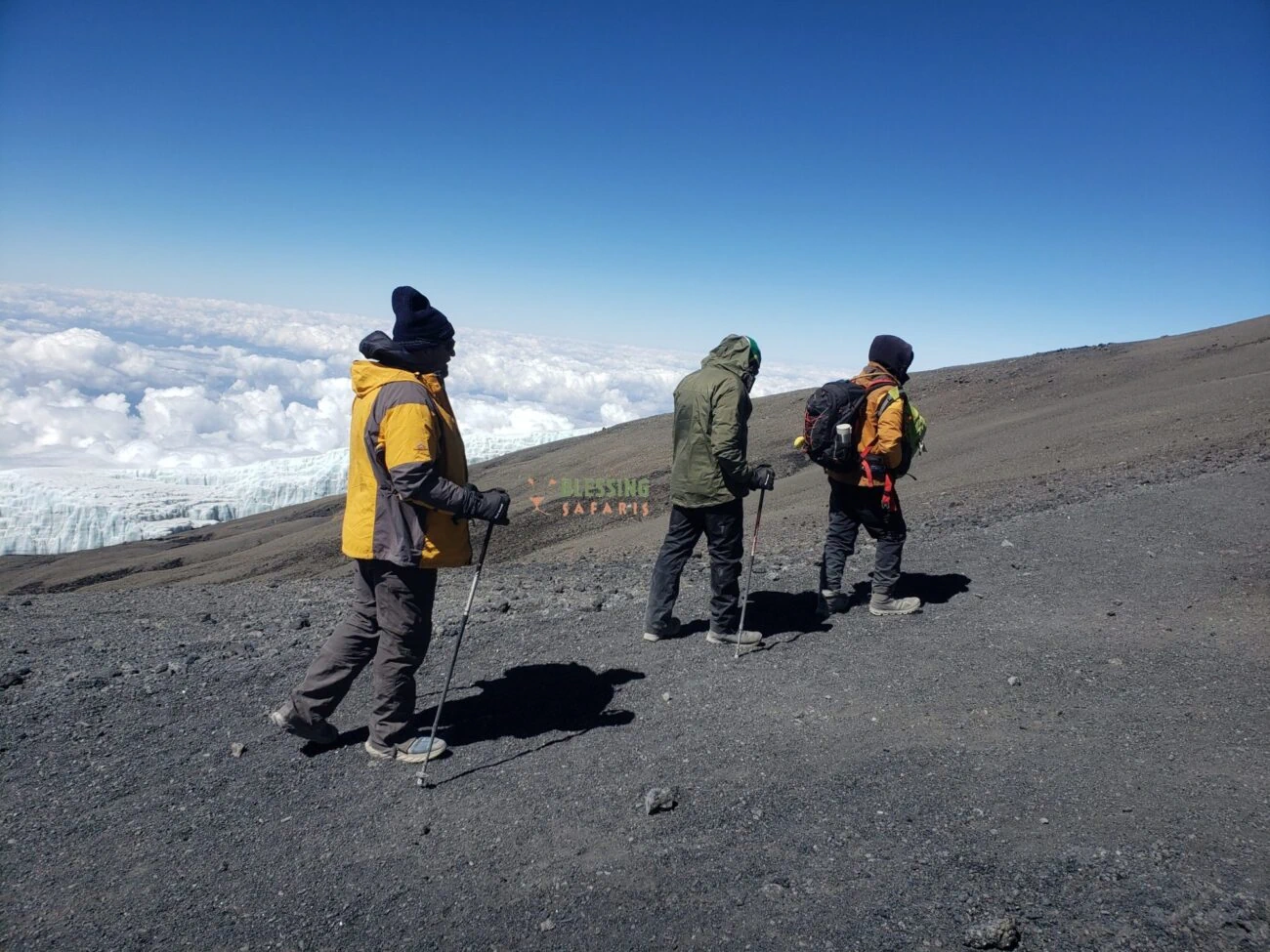
From$ 3,300
8 Days , 7 Nights
8 Day Kilimanjaro Trek via Machame Route
Mt. Kilimanjaro
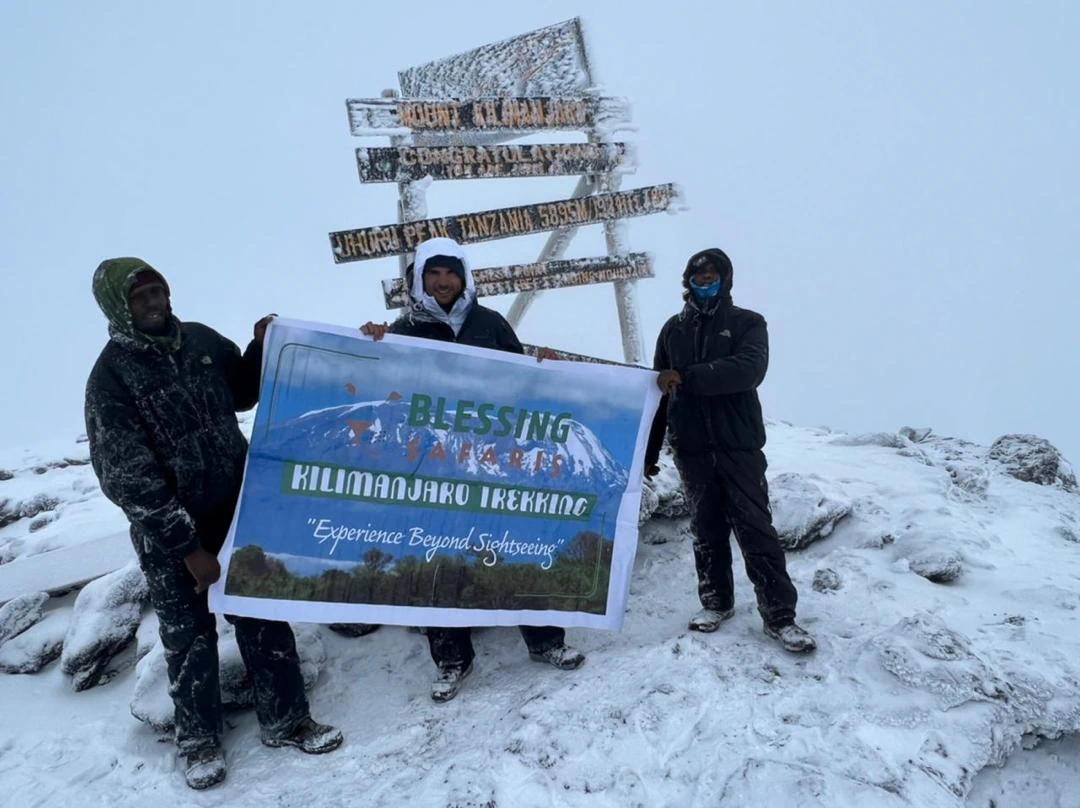
From$2,450
7 Days, 6 Nights
7 Day Kilimanjaro Trek via Rongai Route
Mt. Kilimanjaro
From$2,450
7 Days, 6 Nights
7 Day Kilimanjaro Trek Via Shira Route
Mt. Kilimanjaro
From$3,890
9 Days, 8 Nights
9 Days Northern Circuit Route
Mt. Kilimanjaro