Barafu Camp KILIMANJARO
Barafu Camp, also called Barafu Hut Camp, is the final overnight stop for most climbers aiming for Uhuru Peak, Africa’s highest point. “Barafu” means “ice” in Swahili, aptly describing this cold, exposed campsite on the southeastern slopes of Kibo at 4,673 meters (15,330 feet) above sea level.
This high-altitude campsite is the starting point for the midnight summit attempt, making it a critical location on the Kilimanjaro climb. From here, climbers prepare for the 6-7-hour ascent, crossing challenging scree slopes to the crater rim and ultimately the summit.
Barafu Camp marks the end of days of trekking and the start of the expedition’s most demanding part. Here, climbers rest, prepare mentally, and gather strength for the final ascent. For many, the night at Barafu Camp is the most memorable and challenging of their Kilimanjaro attempt.
Located on a rocky ridge at the southeastern base of the Kibo volcanic cone, the camp is easy to spot and offers some protection from extreme winds. However, its exposure and limited infrastructure create a challenging environment that demands preparation and resilience.
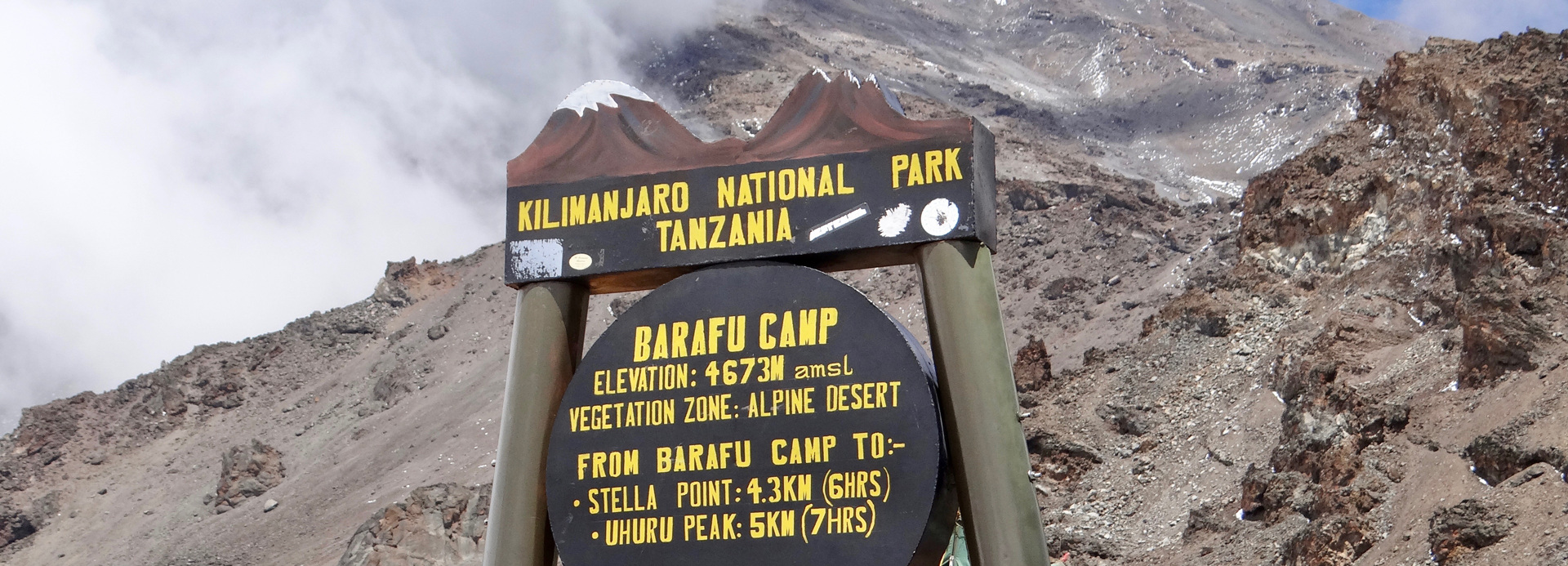
Barafu Camp Location and Significance
Geographic Position
Barafu Camp is strategically situated atop a ridge on the southeastern side of Mount Kilimanjaro, at the base of the Kibo volcanic cone. Its position at 4,673 meters places it among the highest camps on the mountain, alongside Kibo Huts, Arrow Glacier Camp, and School Huts.
The camp’s location offers several advantages:
- Clear views of the summit route ahead
- Relatively easy to spot from a distance
- Strategic position for the midnight summit departure
- Access to multiple routes, including Machame, Lemosho, and Umbwe
Significance for Climbers
Barafu Camp serves as the primary summit camp for climbers on most southern routes:
- Machame Route: Climbers arrive at Barafu on Day 5 of the 7-day itinerary
- Lemosho Route: Climbers reach Barafu on Day 6 of the 8-day itinerary
- Umbwe Route: Climbers reach Barafu on Day 4 of the 6-day itinerary
The camp’s significance lies in its role as the final resting point before the summit attempt. The quality of rest, preparation, and mental focus established here directly impacts the success of the summit push.
Barafu Camp or Hut Kilimanjaro Map
Altitude Barafu Camp Elevation and Distance
Altitude
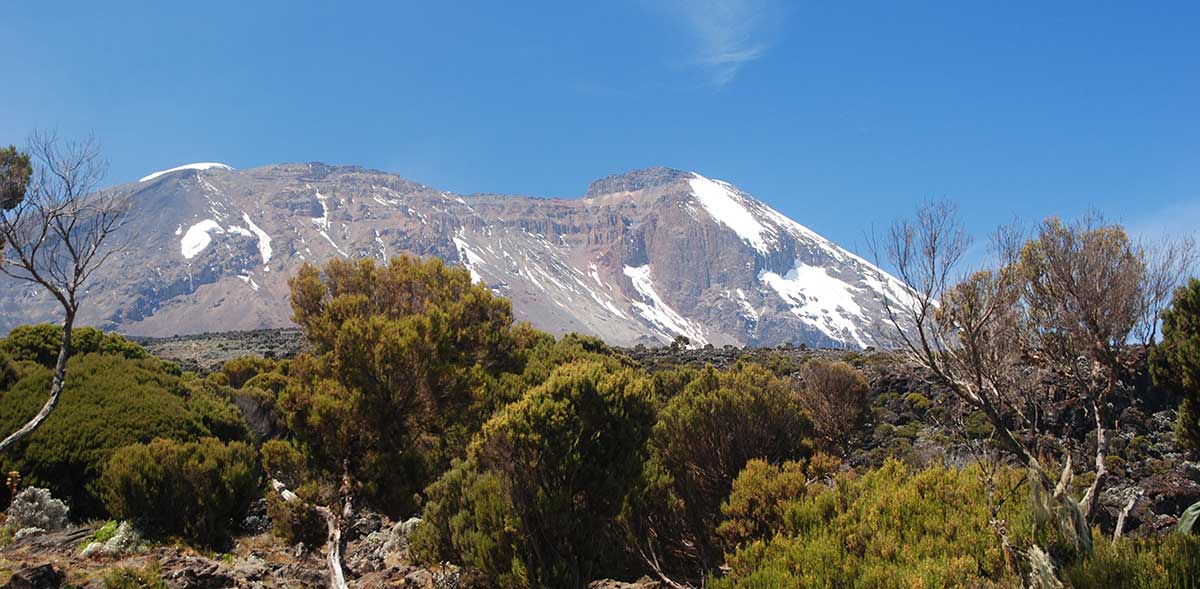
Barafu Camp sits at 4,673 meters (15,330 feet) above sea level. This elevation places it in the alpine desert zone, characterized by:
- Freezing temperatures
- Very low humidity
- Minimal vegetation or wildlife
- Rocky, scree-covered terrain
The altitude at Barafu Camp is significant enough to affect most climbers, with many experiencing some symptoms of altitude sickness, including headaches, fatigue, and difficulty sleeping.
Distance to Uhuru Peak
From Barafu Camp, the distance to Uhuru Peak involves:
- Elevation gain: Approximately 1,222 meters (4,011 feet)
- Ascent time: 6-7 hours for the climb to the summit
- Descent time: 4-5 hours to return to Barafu Camp
The altitude gain from Barafu Camp to the summit is significant, accounting for more than half the total elevation climbed. As a result, summit night is the most physically demanding part of the Kilimanjaro ascent.
Barafu Camp Facilities and Conditions
What to Expect at Barafu Camp
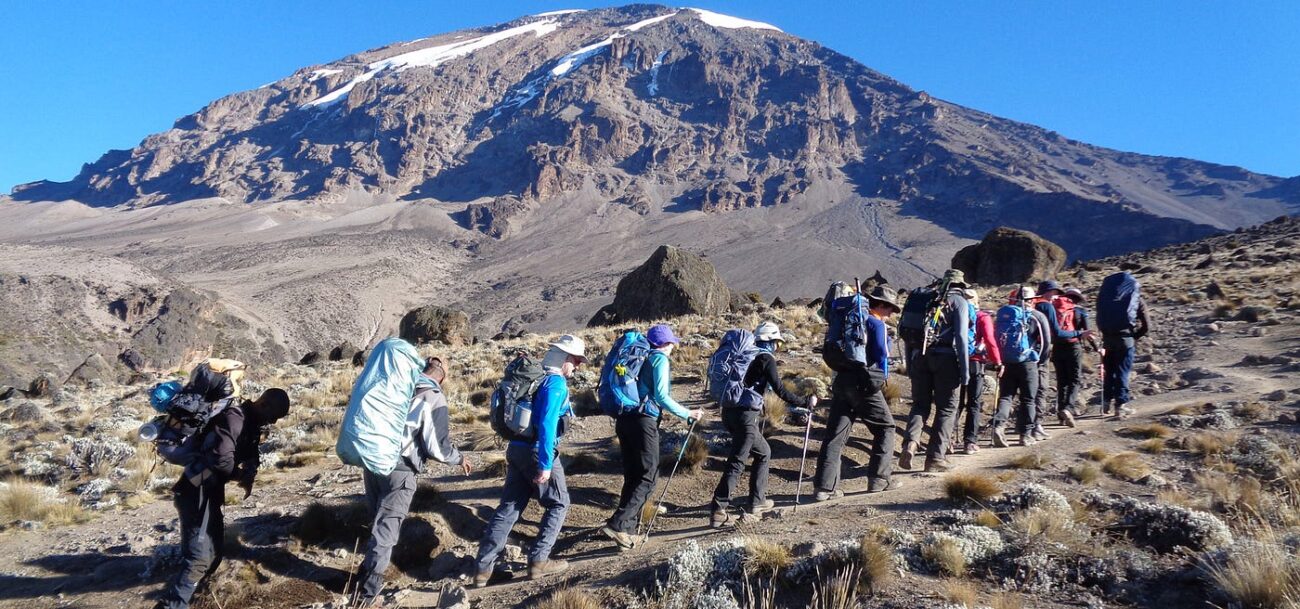
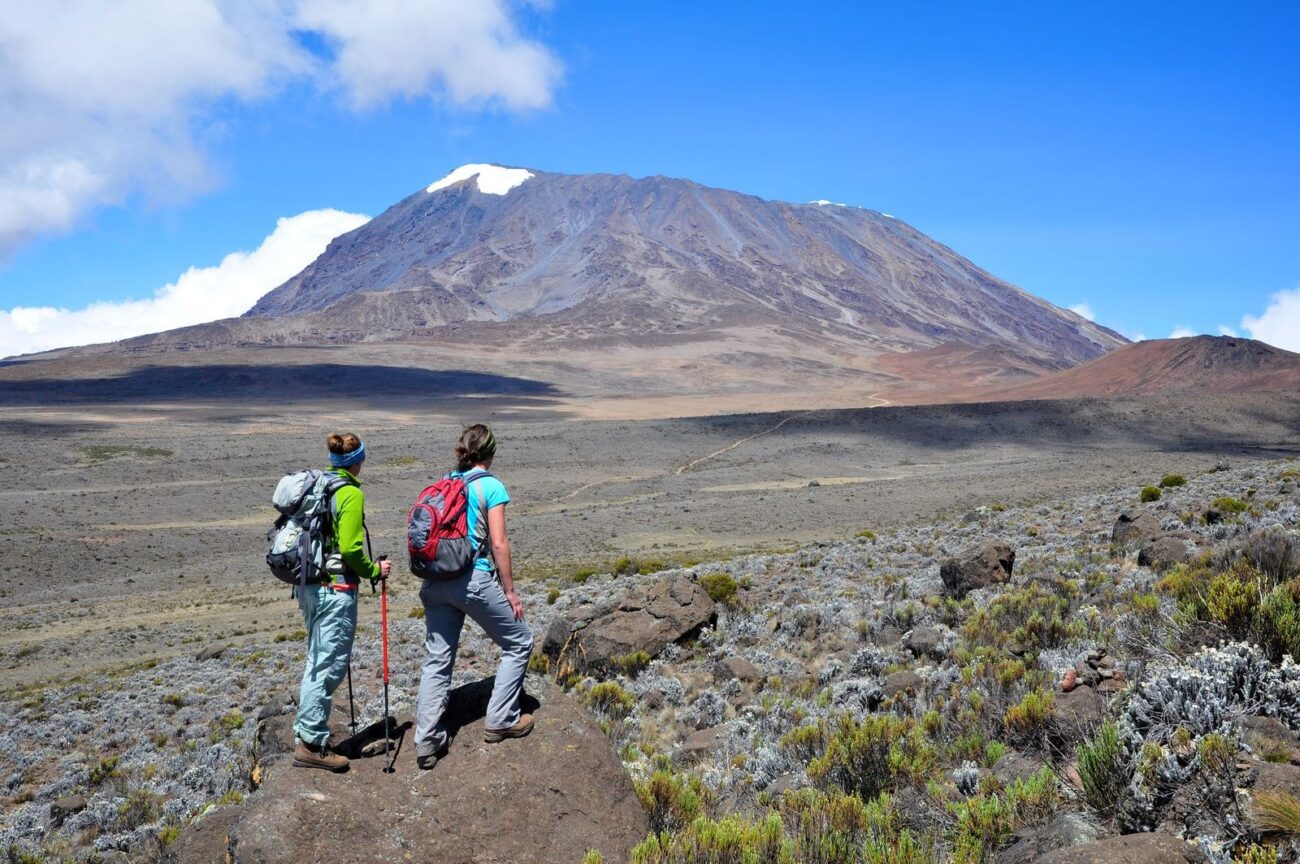
Arriving at Barafu Camp brings a mix of relief, anticipation, and awareness of the challenge ahead. The camp sits on a rocky ridge at 4,673 meters, surrounded by a stark, lunar landscape. Volcanic scree and large rocks make it difficult to find level ground for tents.
The thin, cold air makes breathing more difficult, even with minimal exertion. This alpine desert zone is devoid of vegetation, with only climbers and porters passing through this remote area.
Despite its harsh environment, Barafu Camp is filled with anticipation, especially in the late afternoon as climbers arrive from Karanga Camp, eager to secure a suitable campsite. During peak seasons, the limited flat terrain leads to tents being pitched close together, fostering camaraderie among climbers.
Trekkers from around the world share advice, encouragement, and summit hopes, creating an atmosphere of both excitement and anxiety as they prepare for the most challenging part of their Kilimanjaro journey.
The facilities at Barafu Camp are basic but functional.
A small ranger’s hut allows park officials to monitor climber activity, and several pit latrines are located near the ridge. There is no running water; all water is carried up by porters and reserved for cooking and drinking. Washing is not possible, as water is prioritized for hydration. Meals are served in your tent or a communal mess tent, with an early dinner scheduled to maximize rest before the midnight ascent.
Sleeping at Barafu Camp is challenging due to the altitude, which can cause shallow breathing and lead to headaches, nausea, or restlessness. Temperatures drop well below freezing, and strong winds rattle tents throughout the night. Despite these conditions, it is important to rest as much as possible. Even lying down with your eyes closed helps conserve energy for the summit attempt.
The hours between early dinner and midnight are dedicated to preparation.
Organize summit gear, layer thermal clothing, check headlamp batteries, and fill thermoses with hot water or tea. Guides provide a final briefing on the route, pacing, safety, and expectations for the ascent. As departure approaches, climbers prepare to begin the most demanding part of their journey together.
For those who are well-prepared and maintain a positive outlook, Barafu Camp serves as a launch point for success, where lasting memories are created, and the final stage toward Uhuru Peak begins
The Summit Night: Departing from Barafu Camp
The Midnight Start
The summit attempt usually begins shortly after midnight, with climbers leaving Barafu Camp between 11:30 PM and 1:00 AM. This schedule enables climbers to reach the summit by sunrise, enhancing both safety and experience.
- Daylight arrival: Allows climbers to take photos and celebrate
- Better trail conditions: Frozen ground is easier to walk on
- Manageable temperatures: Warmer than the very coldest hours
- Natural motivation: The promise of sunrise helps climbers push forward
The Route to the Summit of Kilimanjaro
From Barafu Camp, the route ascends:
- Scree slopes: The trail traverses steep, loose scree, making walking challenging. The “two steps forward, one step back” feeling is common here.
- Rebman and Ratzel Glaciers: The path passes between these two glaciers, offering stunning views if visibility allows.
- Stella Point: At 5,756 meters (18,885 feet), this crater rim point represents the first major milestone. Many climbers reach this point around sunrise.
- Uhuru Peak: The final section follows the crater rim to Africa’s highest point at 5,895 meters (19,341 feet).
Duration and Challenges
The summit ascent from Barafu Camp typically takes 6-7 hours, with climbers reaching the summit between 6:00 AM and 8:00 AM, depending on individual pace and conditions.
Challenges climbers face include:
- Altitude sickness: Headaches, nausea, and fatigue are common.
- Cold temperatures: The pre-dawn hours are the coldest part of the day
- Steep terrain: The scree slopes require careful footing
- Loose rocks: The trail is often unstable
- Darkness: Headlamps are essential for navigation
- Dehydration: The cold, dry air makes hydration critical
Routes That Use Barafu Camp
Machame Route
The Machame Route, Kilimanjaro’s most popular trail, approaches Barafu Camp from Karanga Camp. Climbers typically arrive in the afternoon, rest, eat an early dinner, and prepare for the midnight summit attempt.
Lemosho Route
The Lemosho Route follows the same southern circuit as the Machame Route, with climbers reaching Barafu Camp from Karanga Camp. The 8-day itinerary provides excellent acclimatization before the summit night.
Umbwe Route
The Umbwe Route, the most challenging trail, also approaches Barafu Camp from Karanga Camp. Climbers on this route have the shortest time to acclimatize, making the summit night particularly challenging.
Alternative Approaches
Some climbers choose to stay at alternative camps to avoid the crowds at Barafu Camp:
- Kosovo Camp: Higher elevation offering a head start
- Kibo Huts: Alternative approach via Marangu Route
- Crater Camp: Extreme option requiring special permits
What to Expect During Your Stay at Barafu Camp
Arrival and Preparation
Upon arriving at Barafu Camp, climbers typically:
- Find a tent spot: Look for relatively flat, sheltered ground.
- Set up camp: Pitch your tent and organize gear.
- Prepare for summit night: Organize warm clothes and equipment.
- Eat an early dinner: Nutrition is essential for the overnight push.
- Rest: Sleep is challenging but important
Managing Altitude Symptoms
At 4,673 meters, most climbers experience some altitude symptoms. Managing these effectively is crucial:
- Rest: Conserve energy for the summit night
- Hydrate: Drink plenty of water even if you’re not thirsty
- Eat: Nutrition is important even if appetite is reduced.
- Medication: Consider altitude medication like Diamox
- Listen to your body: Communicate with your guide about symptoms.
Preparing for Summit Night
The few hours before departure are filled with essential preparations:
- Layering: Prepare multiple layers for changing conditions
- Hydration: Fill thermoses and water bottles
- Snacks: Prepare energy bars and snacks for the ascent
- Headlamp: Check batteries and brightness
- Camera: Ensure it’s ready for sunrise photos
Tips for a Comfortable Stay at Barafu Camp
Practical Advice
- Pitch your tent carefully: Find the best available spot and secure it against wind.
- Organize gear: Have everything ready for the midnight departure.
- Eat well: Even if you’re not hungry, eat what you can
- Hydrate: Drink water regularly throughout the day
- Rest: Sleep is challenging, but rest helps
- Pack for comfort: Bring what you need for a comfortable stay
- Follow your guide: Guides know Barafu Camp well and can advise
Common Challenges and Solutions while at Barafu Camp
Cold temperatures: Use a four-season sleeping bag, hot water bottles, and multiple layers
Wind: Pitch your tent in a sheltered position if possible
Altitude sickness: Rest, hydrate, and take medication as recommended
Crowds: Arrive early if possible; be patient and polite with other groups
Rocky ground: Insulated sleeping pads are essential for comfort
Noisy neighbors: Earplugs can help with sleep
Frequently Asked Questions About Barafu Camp
What Is Barafu Camp on Kilimanjaro?
Barafu Camp is the primary summit camp on Mount Kilimanjaro, located at 4,673 meters (15,330 feet) on the southeastern side of Kibo. It’s the final overnight stop before the summit push to Uhuru Peak.
How High Is Barafu Camp?
Barafu Camp sits at 4,673 meters (15,330 feet) above sea level, making it one of the highest camps on Kilimanjaro.
What Routes Use Barafu Camp?
Barafu Camp is used by climbers on the Machame, Lemosho, and Umbwe Routes. These southern routes all use Barafu as their summit camp.
How Long Does It Take to Summit from Barafu Camp?
The ascent from Barafu Camp to Uhuru Peak typically takes 6-7 hours. Climbers usually depart around midnight to reach the summit by sunrise.
Are There Facilities at Barafu Camp?
Facilities at Barafu Camp are limited. There are pit latrines (dry toilets) and a ranger’s hut, but no permanent sleeping accommodation or dining facilities. Water is limited and must be carried by porters.
What Are the Weather Conditions at Barafu Camp?
Barafu Camp experiences freezing temperatures, strong winds, and very low humidity. Temperatures can drop below -10°C (14°F). The ground is rocky and covered with volcanic soils and scree.
Can I Stay at Barafu Camp on Any Itinerary?
Barafu Camp is used on most southern routes. The length of the itinerary determines how much time you have for acclimatization before the summit attempt.
What Should I Pack for Barafu Camp?
Essential items include a four-season sleeping bag, an insulated sleeping pad, multiple thermal layers, a down jacket, a windproof outer layer, warm hat and gloves, a headlamp with lithium batteries, a thermos, and trekking poles.
Final Remarks: Barafu Camp Kilimanjaro
Barafu Camp represents the threshold between achievement and the ultimate goal—the final resting point before the summit push to Uhuru Peak. For thousands of climbers each year, this exposed, rocky campsite becomes the launch pad for their most challenging and rewarding experience on Mount Kilimanjaro.
The camp’s strategic position at 4,673 meters offers a unique advantage for the summit attempt. From here, the 6-7-hour ascent takes climbers along a route offering spectacular views when visibility is clear, making the journey to Africa’s highest point memorable.
While Barafu Camp’s facilities are minimal and conditions are harsh, proper preparation and the right mindset make the experience manageable. The night spent here—though challenging—becomes part of the adventure, a memory that remains vivid in the minds of climbers long after they’ve descended from the mountain.
For those preparing to spend a night at Barafu Camp, the key is to remember why you’re here. This is not just a campsite—it’s the gateway to the summit, the starting point for the journey that will take you to the highest point in Africa. With the right preparation, guidance, and determination, Barafu Camp becomes the place where your Kilimanjaro dream is fulfilled.
Plan Your Kilimanjaro Trek with Barafu Camp
Barafu Camp is an essential part of the Kilimanjaro climbing experience for climbers on southern routes. Our expert team designs personalized itineraries that ensure you have the best possible experience at this strategic summit camp.
Contact us to discuss your Kilimanjaro climb, customize your itinerary, or combine your mountain adventure with a Tanzanian safari. The summit awaits—let us help you reach the top. Book Your Trek Now
Mount Kilimanjaro Tour Packages
From$ 3,300
8 Days , 7 Nights
8 Day Kilimanjaro Trek via Machame Route
Mt. Kilimanjaro
From$2,450
7 Days, 6 Nights
7 Day Kilimanjaro Trek via Rongai Route
Mt. Kilimanjaro
From$2,450
7 Days, 6 Nights
7 Day Kilimanjaro Trek Via Shira Route
Mt. Kilimanjaro
From$3,890
9 Days, 8 Nights
9 Days Northern Circuit Route
Mt. Kilimanjaro