
Ngurdoto Crater
Ngurdoto Crater, often called “Little Ngorongoro,” is a volcanic caldera and one of Arusha National Park’s hidden treasures. Located in Tanzania’s Arusha Region, this extinct crater offers a unique glimpse into the country’s volcanic heritage and serves as a sanctuary for diverse wildlife. For travelers seeking an authentic safari away from the crowds, Ngurdoto Crater offers a truly rewarding experience.
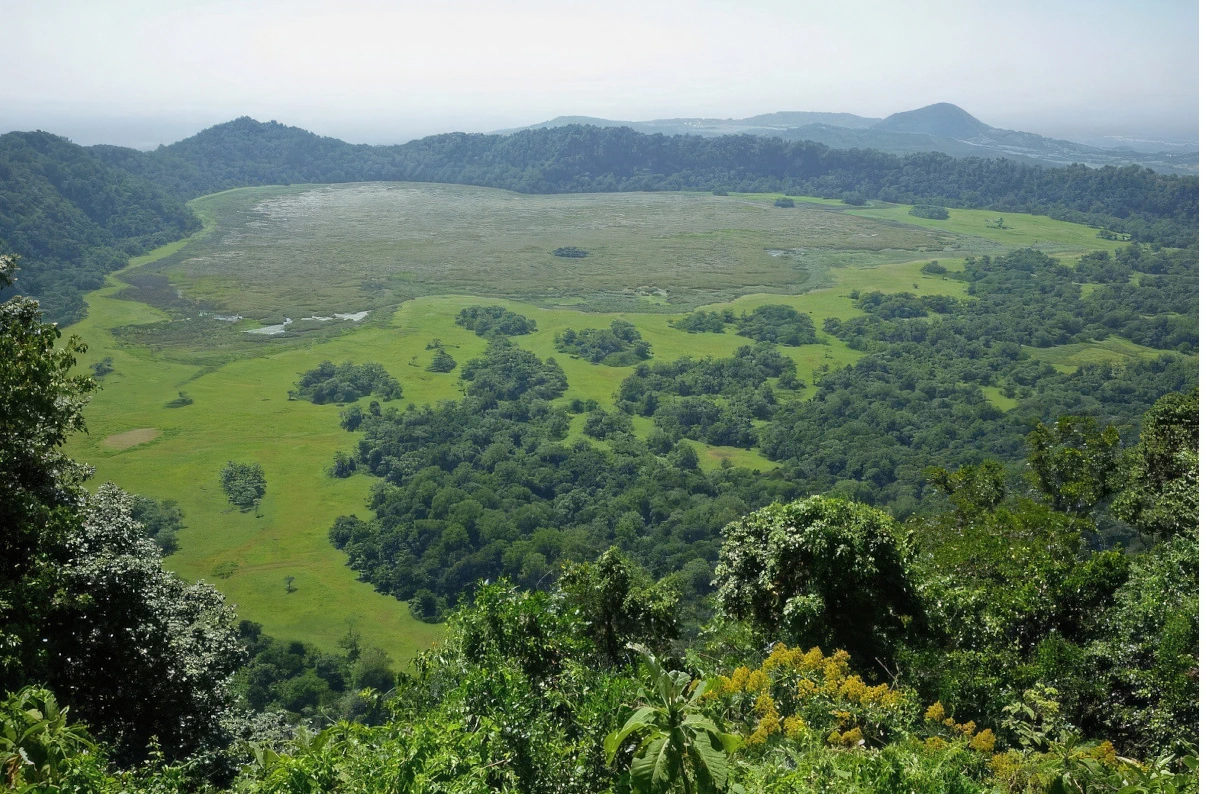
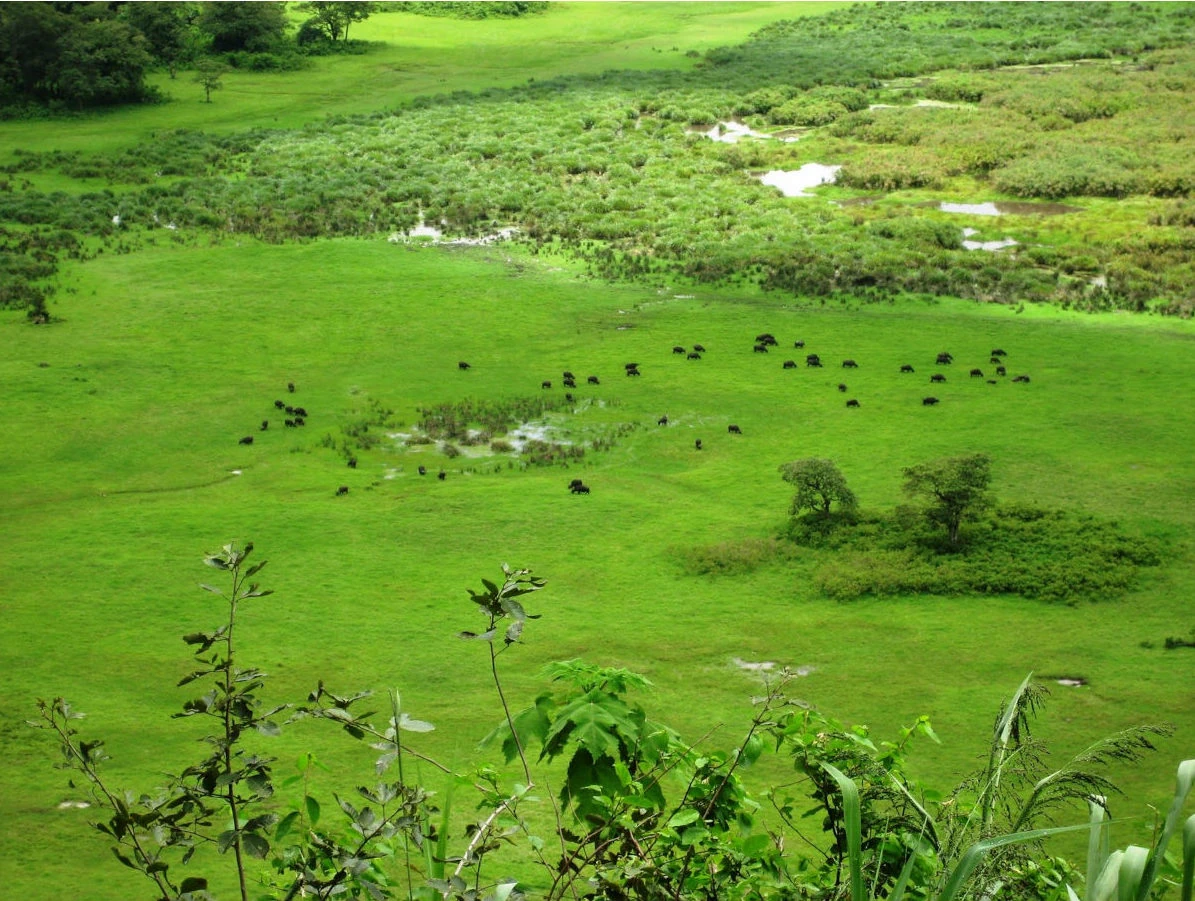
Ngurdoto Crater’s appeal lies in its dramatic landscape. The basin-shaped caldera, 3.6 kilometers across and 100 meters deep, is covered in dense rainforest. The rim is forested, while the floor features marshy grasslands that support buffaloes, elephants, warthogs, antelopes, monkeys, baboons, leopards, and spotted hyenas. Numerous bird species, such as the hammerhead, spur-winged goose, and herons, make it an ideal destination for birdwatchers and wildlife enthusiasts.
Unlike Ngorongoro Crater, visitors cannot descend into Ngurdoto Crater to protect its ecosystem. Instead, a circular trail along the rim offers several observation points, with the northern edge providing the best views. This policy preserves the crater’s pristine wilderness and allows wildlife to thrive undisturbed.
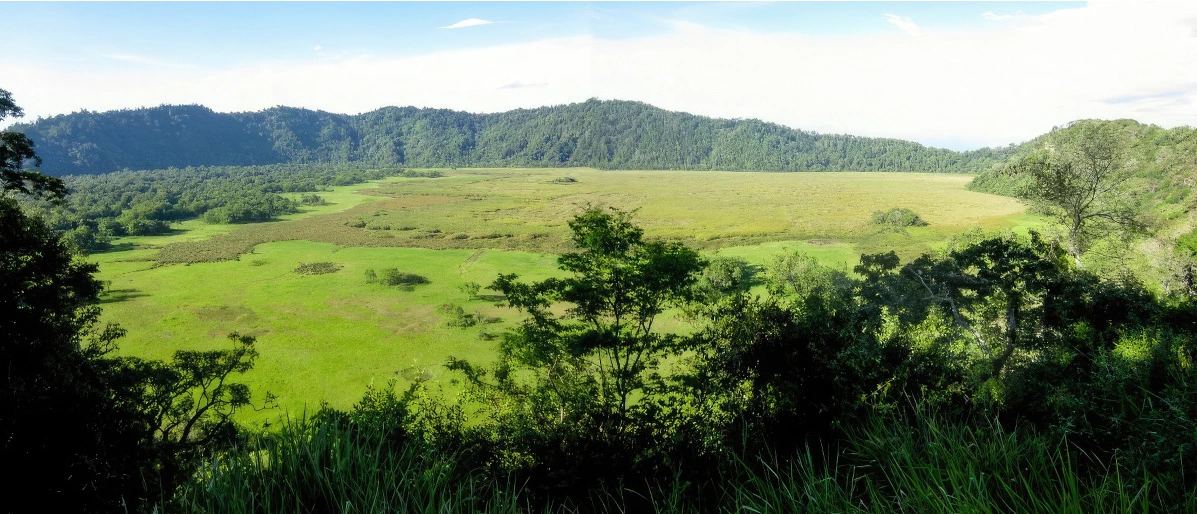
Location of Ngurdoto Crater
Ngurdoto Crater is in the Arusha Region of northern Tanzania, within Arusha National Park. Located near the Ngongongare Gate, it is easily accessible from Arusha, Moshi, and Kilimanjaro International Airport. Its central location makes it a convenient addition to any safari itinerary, whether for a day trip or an extended visit.
Situated in the heart of Arusha National Park, the crater is surrounded by rainforest, grassland, and acacia woodland. These varied habitats support abundant wildlife and provide a safe haven for many species. Its secluded setting offers visitors a peaceful and rewarding experience.
Dimensions of Ngurdoto Crater
Ngurdoto Crater is 3.6 kilometers (2.2 miles) wide and 100 meters (328 feet) deep, making it a substantial volcanic feature despite its modest size compared to Ngorongoro. The crater’s steep walls and dense forest create a natural amphitheater that shelters wildlife, while the marshy grassland on the crater floor provides a fertile habitat for grazing animals and birds.
The crater’s dimensions and its position in the park make it an ideal destination for visitors who want to experience a volcanic landscape without the crowds and commercialization of Ngorongoro. The circular route along the crater rim offers stunning views of the crater and its inhabitants, and the observation points on the northern edge provide some of the park’s best photographic opportunities.
Wildlife in Ngurdoto Crater
Ngurdoto Crater hosts diverse wildlife, making it a highlight of Arusha National Park. Visitors may encounter buffaloes, elephants, warthogs, antelopes, monkeys, baboons, leopards, and spotted hyenas on the crater floor. The marshy grassland supports herbivores, while the dense forest along the crater walls shelters primates and predators.
The forest also supports blue monkeys and baboons, which, unlike colobus monkeys, spend most of their time on the ground and retreat to trees only at night or when threatened. Their ground-dwelling habits make them easier to observe, and visitors often enjoy watching their social interactions and playful behavior.
The crater also offers impressive birdlife, including hammerheads, spur-winged geese, and herons. Its wetlands and forests create a rich habitat, allowing birdwatchers to observe a wide variety of species.
Viewing Ngurdoto Crater
The Crater Rim Walk
While you cannot descend into the crater, you can walk a circular route along the crater rim, with several observation points. This walk offers stunning views of the crater and its wildlife and is one of the best ways to experience its beauty and tranquillity. The well-maintained route suits visitors of all fitness levels, making it an accessible and enjoyable activity.
The Northern Edge Lookout
On the crater’s northern edge, a lookout offers the best views. From this vantage point, visitors can see the entire crater, including the marshy grassland on the floor, the dense forest on the walls, and the area’s wildlife. The northern lookout is particularly spectacular at sunrise and sunset, when the light illuminates the crater and its inhabitants, creating a magical and unforgettable scene.
Photography
Ngurdoto Crater is a photographer’s paradise, offering endless opportunities to capture the landscape and its wildlife. The crater’s dramatic setting, with its steep walls and dense forest, provides a stunning backdrop for photos, while its animals and birds offer an intimate yet awe-inspiring glimpse into the natural world.
Best Time to Visit Ngurdoto Crater
You can visit Ngurdoto Crater year-round, but the best time is during the dry seasons, June to October and December to February, when the weather is clear and dry, and wildlife is easier to spot. During the rainy months of March to May and November, the park is lush and green, but trails can be muddy, and some roads may be difficult to navigate. Each season offers unique beauty and wildlife-viewing opportunities, and the crater is a rewarding destination no matter when you visit.
Book Your Arusha National Park Safari with Blessing Safaris
Ngurdoto Crater is a highlight of Arusha National Park, known for its volcanic scenery, diverse wildlife, and tranquil atmosphere. At Blessing Safaris, we are dedicated to providing every traveler with a safe, comfortable, and memorable experience.
Our team includes local experts who know the parks intimately, so you can benefit from their deep knowledge of every trail and viewpoint. We prioritize ethical tourism, fair treatment of our staff, and high-quality equipment and meals.
With thousands of successful safaris and an outstanding safety record, adventurers worldwide trust Blessing Safaris. Choose the operator that puts your safety and comfort first. Book your Arusha National Park safari with us and create lasting memories.
Frequently Asked Questions About Ngurdoto Crater
What Is Ngurdoto Crater?
Ngurdoto Crater is a volcanic crater in Arusha National Park, sometimes called “Little Ngorongoro” because, like Ngorongoro, it has become, over time, a sort of “reserve within the reserve.” It is the caldera of an extinct volcano, shaped like a basin with very steep walls and covered with dense rainforest. The crater is 3.6 kilometers wide and 100 meters deep, and its floor is covered with marshy grassland where buffaloes, elephants, warthogs, antelopes, monkeys, baboons, leopards, and spotted hyenas roam. Many bird species also make the crater a paradise for wildlife enthusiasts and birdwatchers.
Where Is Ngurdoto Crater Located?
Ngurdoto Crater is located in the Arusha Region of northern Tanzania, within Arusha National Park. The crater is near the Ngongongare Gate, one of the park’s main entry points, and is easily accessible from Arusha, Moshi, and Kilimanjaro International Airport. Its position within the park makes it a convenient stop on any safari itinerary, whether you are visiting for a day trip or a longer stay.
How Big Is Ngurdoto Crater?
Ngurdoto Crater is 3.6 kilometers (2.2 miles) wide and 100 meters (328 feet) deep. Despite its modest size compared to Ngorongoro, the crater is a substantial volcanic feature with steep walls and dense forest cover that create a natural amphitheater sheltering the wildlife within. The marshy grassland on the crater floor provides a fertile habitat for grazing animals and birds, making the crater a rewarding destination for wildlife viewing.
What Wildlife Can I See in Ngurdoto Crater?
On the crater floor, visitors may see buffaloes, elephants, warthogs, various antelopes, monkeys, baboons, leopards, and spotted hyenas. The forest is also home to blue monkeys and baboons, which prefer to spend their days on the ground and take refuge in trees only at night or when in danger. Birdlife is equally impressive, with many species including the hammerhead, the spur-winged goose, and herons. The crater’s wetlands and forest provide a rich habitat for wildlife, making it a rewarding destination for nature lovers.
Can I Descend into Ngurdoto Crater?
No, you cannot descend into Ngurdoto Crater because the authorities want to preserve and protect its ecosystem. This restriction helps keep the crater a pristine wilderness, undisturbed by human activity, and allows wildlife to thrive in a protected environment. However, you can walk a circular route around the crater rim, with observation points and lookouts, including the best views on the northern edge.
What Is the Best Viewpoint at Ngurdoto Crater?
On the crater’s northern edge, a lookout offers the best views. From this vantage point, visitors can see the entire crater, including the marshy grassland on the floor, the dense forest on the walls, and the wildlife that inhabits the area. The northern lookout is particularly spectacular at sunrise and sunset, when the light illuminates the crater and its inhabitants, creating a magical and unforgettable scene.
Why Is Ngurdoto Crater Called “Little Ngorongoro”?
Ngurdoto Crater is called “Little Ngorongoro” because, like Ngorongoro, it has become, over time, a sort of “reserve within the reserve.” Both craters are volcanic calderas with steep walls and dense forest, and both provide a protected habitat for a wide variety of wildlife. The comparison highlights the crater’s importance as a sanctuary for animals and its similarity to one of Tanzania’s most famous natural wonders.
What Birds Can I See in Ngurdoto Crater?
Birdlife in Ngurdoto Crater is rich and varied, with many species including the hammerhead, the spur-winged goose, and herons. The crater’s wetlands and forest provide a rich habitat for birds, and birdwatchers can spend hours observing the diverse species that call the crater home. The crater is a paradise for bird enthusiasts and a rewarding destination for anyone interested in Tanzania’s avian diversity.
What Is the Best Time to Visit Ngurdoto Crater?
Ngurdoto Crater can be visited year-round, but the best time to visit is during the dry seasons, from June to October and December to February, when the weather is clear and dry, and wildlife is easier to spot. During the rainy months of March to May and November, the park is lush and green, but trails can be muddy, and some roads may be difficult to navigate. However, each season offers its own unique beauty and wildlife viewing opportunities.
Can I Walk Around the Crater Rim?
Yes, you can walk a circular route around the crater rim, with observation points and lookouts, including on the northern edge, which offers the best views. The route is well-maintained and suitable for visitors of all fitness levels, making it an accessible and enjoyable activity. The walk offers stunning views of the crater and its wildlife, and it is one of the best ways to experience the crater’s beauty and tranquillity.
What Is the Difference Between Ngurdoto Crater and Ngorongoro Crater?
Ngurdoto Crater is smaller than Ngorongoro Crater, measuring 3.6 kilometers wide and 100 meters deep, while Ngorongoro is much larger and deeper. Unlike Ngorongoro, visitors cannot descend into Ngurdoto Crater because the authorities want to preserve and protect its ecosystem. However, both craters are volcanic calderas with steep walls and dense forest, and both provide a protected habitat for a wide variety of wildlife.
How Do I Get to Ngurdoto Crater?
Ngurdoto Crater is located within Arusha National Park and is easily accessible from Arusha, Moshi, and Kilimanjaro International Airport. Visitors can reach the crater by vehicle through the park’s gates, including the nearby Ngongongare Gate. The drive from Arusha or Moshi takes approximately 30 minutes to an hour, making the crater a convenient stop on any safari itinerary.
What Other Attractions Are Near Ngurdoto Crater?
Arusha National Park offers several attractions near Ngurdoto Crater, including the Momella Lakes, the Ngongongare Gate, and the park’s diverse wildlife and landscapes. Visitors can also enjoy game drives, walking safaris, and birdwatching, making the park a rewarding destination for nature lovers and adventure seekers alike.
Is Ngurdoto Crater Worth Visiting?
Yes, Ngurdoto Crater is definitely worth visiting, especially for travelers seeking an authentic safari experience away from the crowds. The crater offers a unique blend of volcanic landscapes, abundant wildlife, and peaceful tranquillity, and its status as a “reserve within the reserve” helps keep it a pristine wilderness. Whether you are interested in wildlife, photography, or simply enjoying nature, Ngurdoto Crater rewards those who seek it out.
Ngurdoto Crater, Arusha National Park
You May Also Like
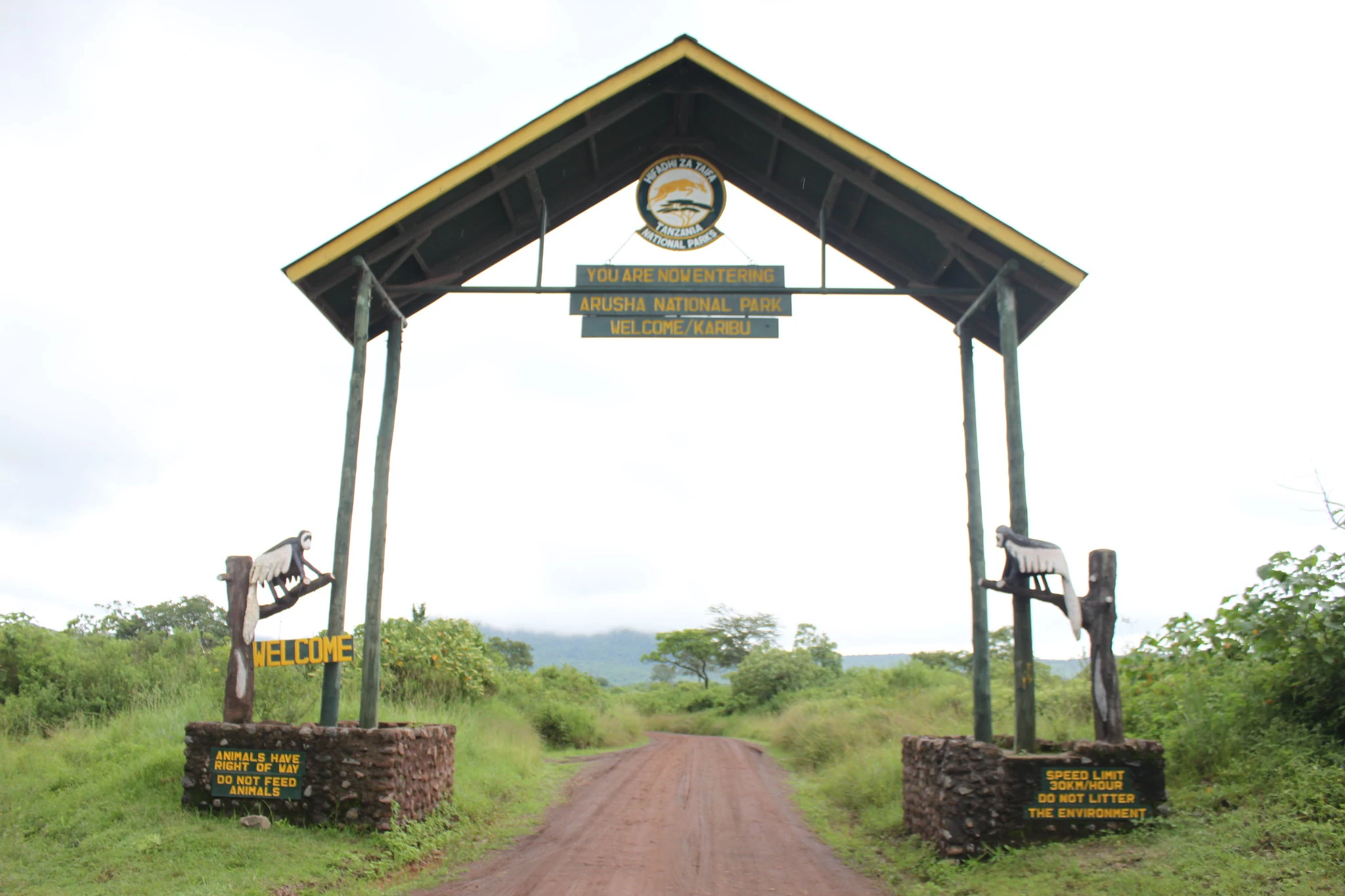
Arusha National Park stands out for its remarkable variety of landscapes, including grasslands, dense rainforest, acacia forests, and alpine flora on Mount Meru’s upper slopes.
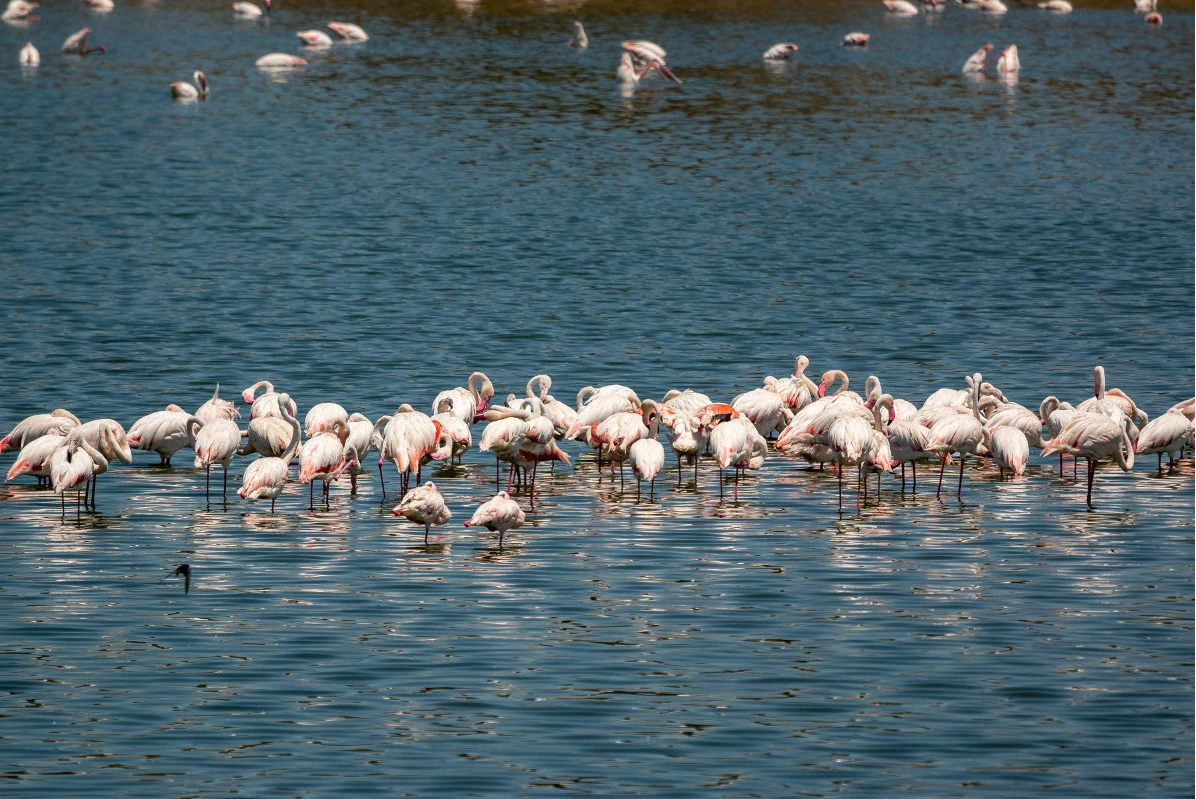
The Momella Lakes, also spelled Momela Lakes, are located in Arusha National Park in northern Tanzania at an elevation of approximately 1,270 meters. This group of shallow alkaline lakes, fed by underground springs, is among the park’s most scenic and wildlife-rich areas
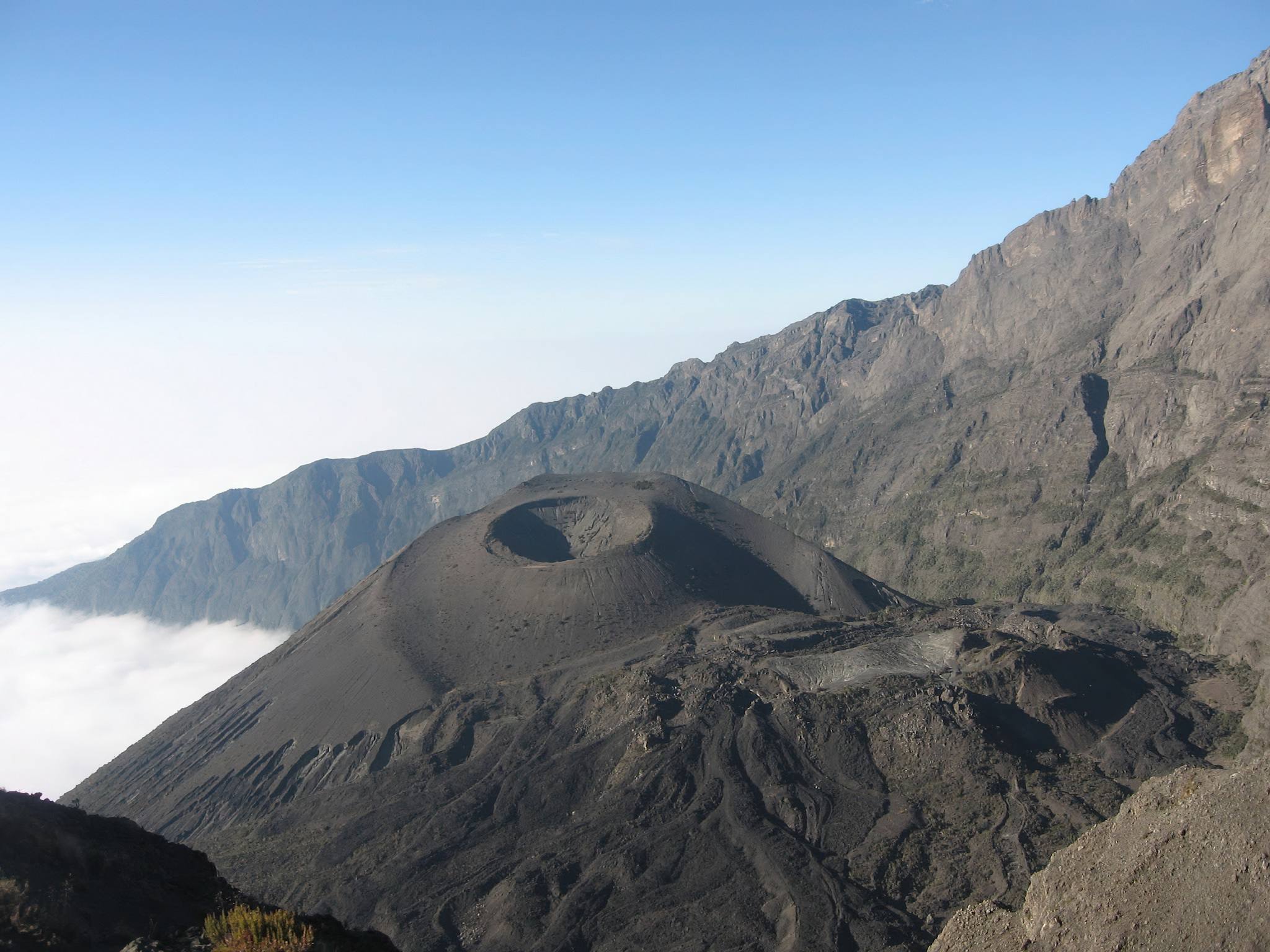
Mount Meru, Tanzania’s second-highest mountain at 4,566 meters, is Africa’s fifth-highest peak. Situated in Arusha National Park, this dormant volcano offers dramatic scenery, abundant wildlife