
Rhino Point
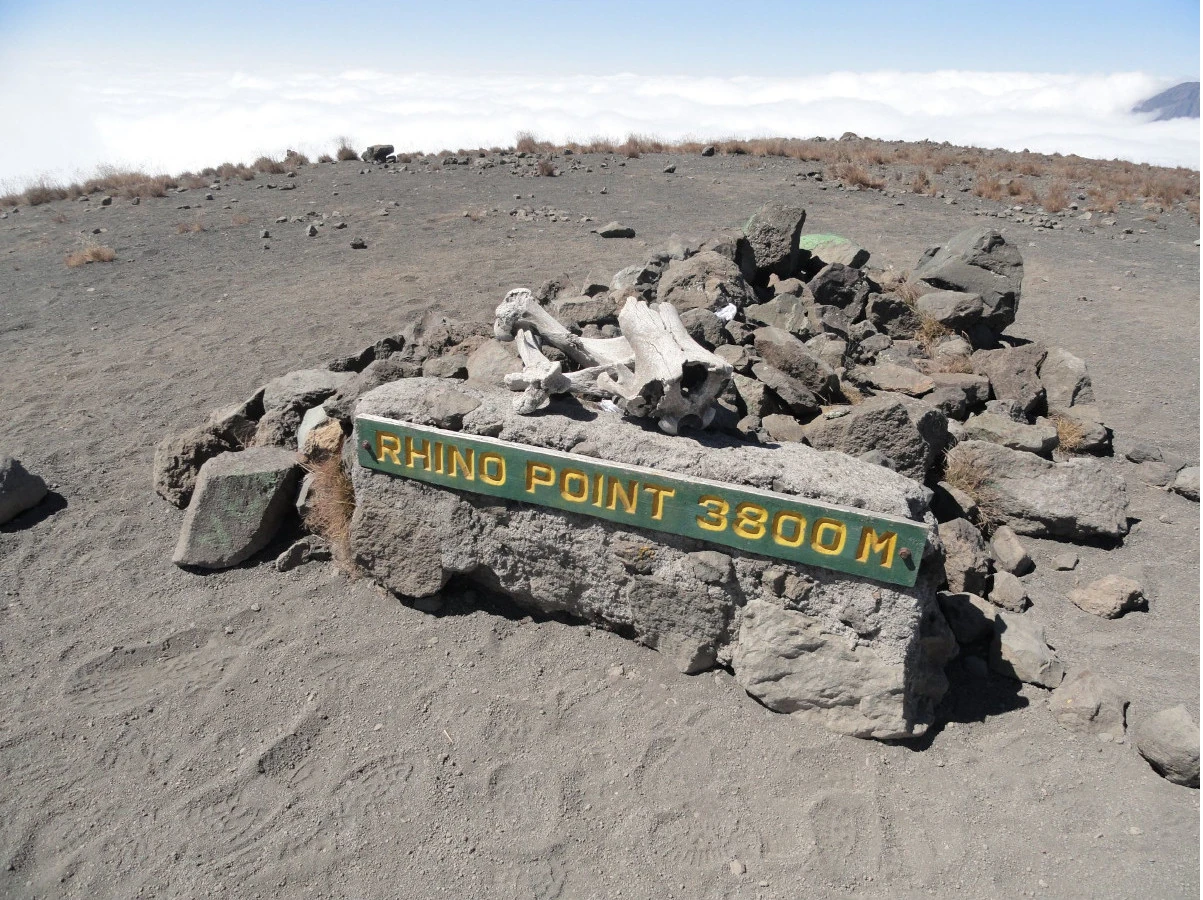
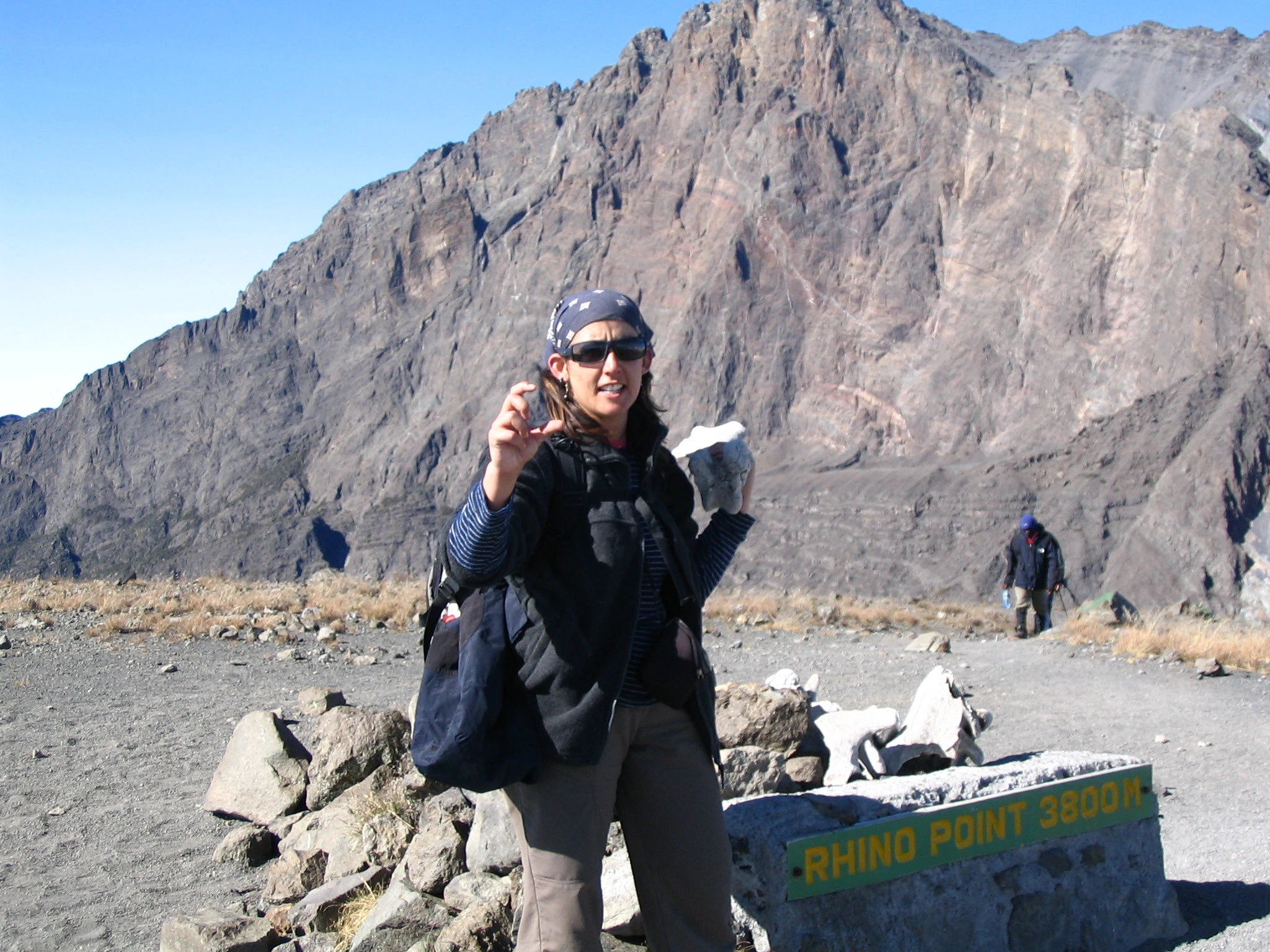
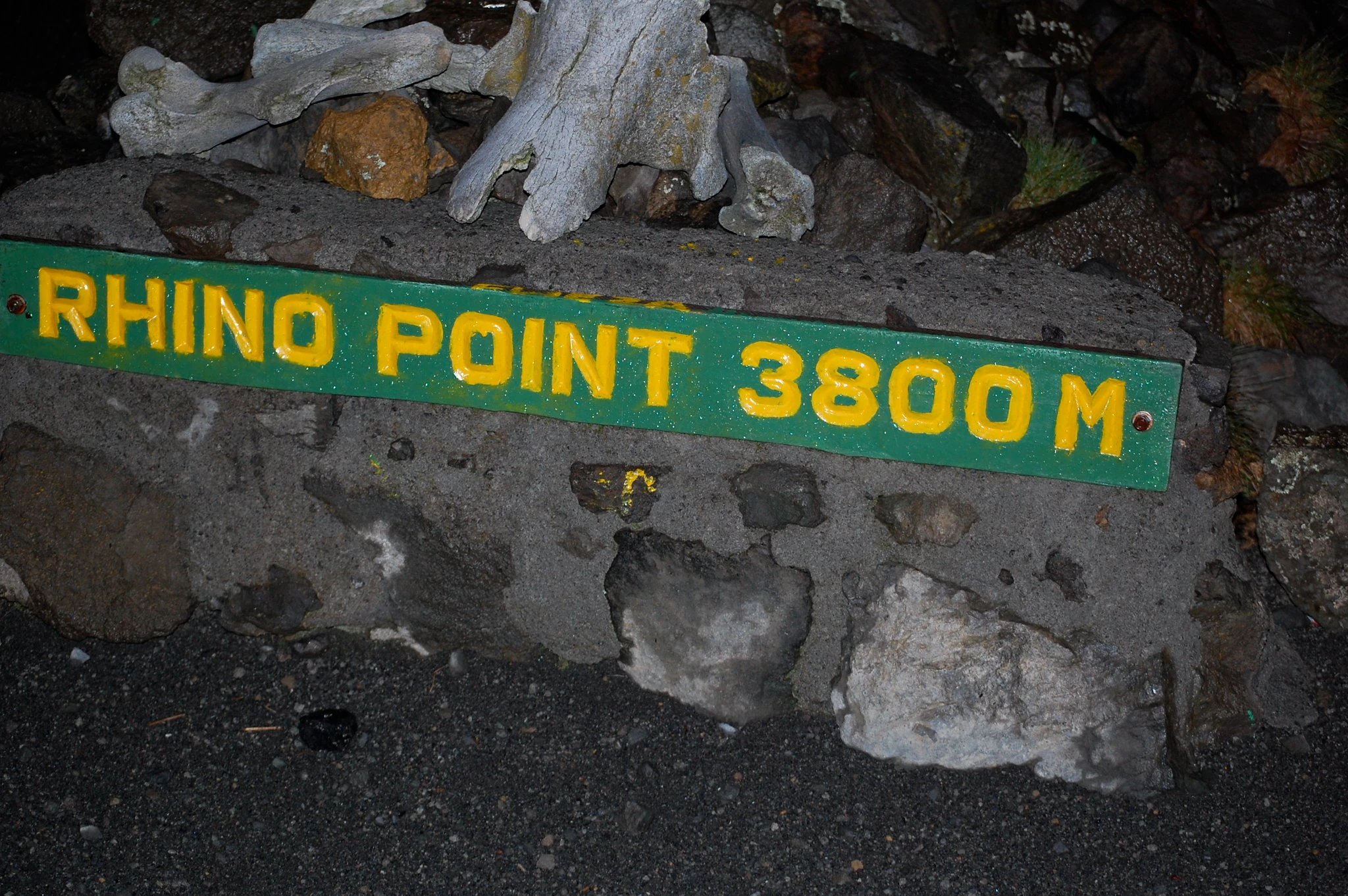
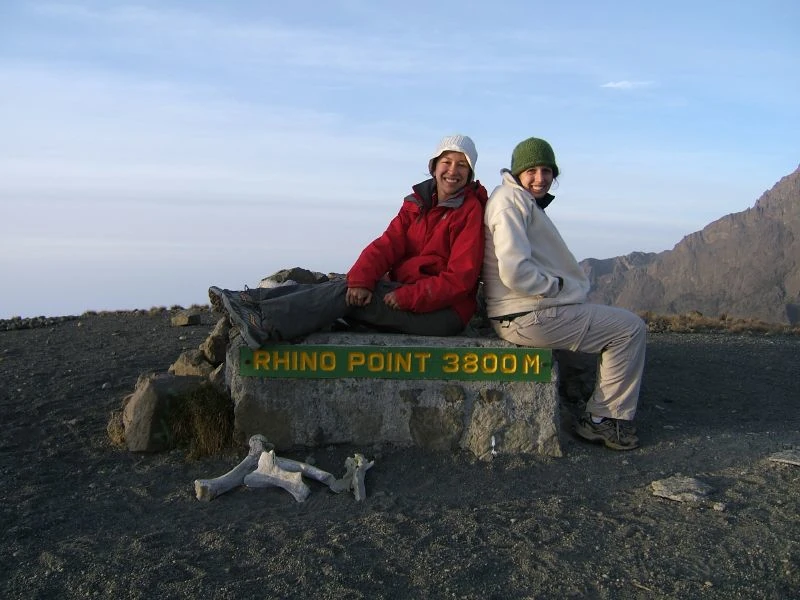
Rhino Point, at 3,800 meters, is a major milestone on the third day of the Mount Meru climb and is typically reached on summit day at the crater rim. Above the treeline, it marks the transition to the final section of the crater rim, shaped by a past eruption. For trekkers, Rhino Point signals the beginning of the climb’s most challenging and dramatic segment.
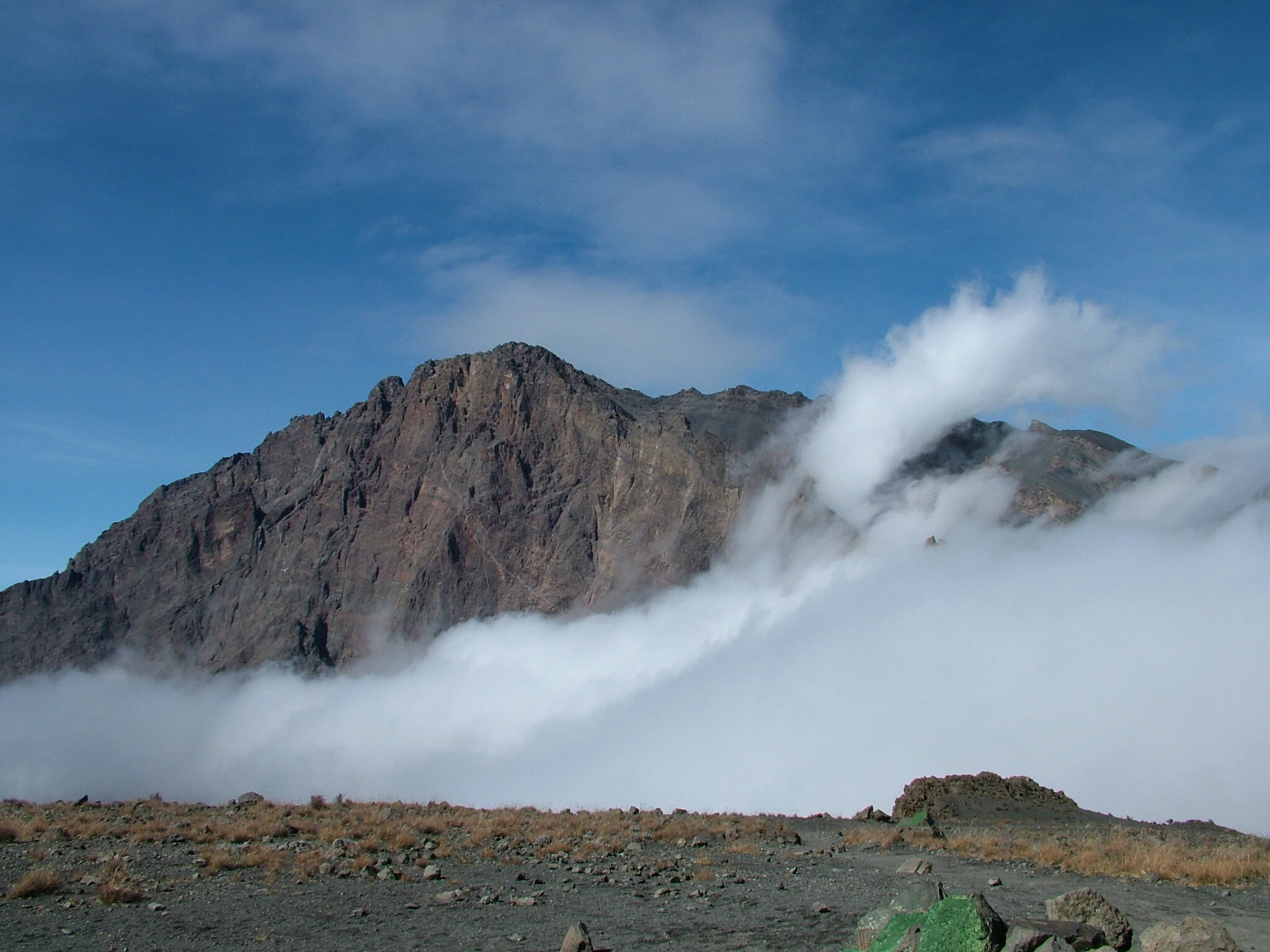
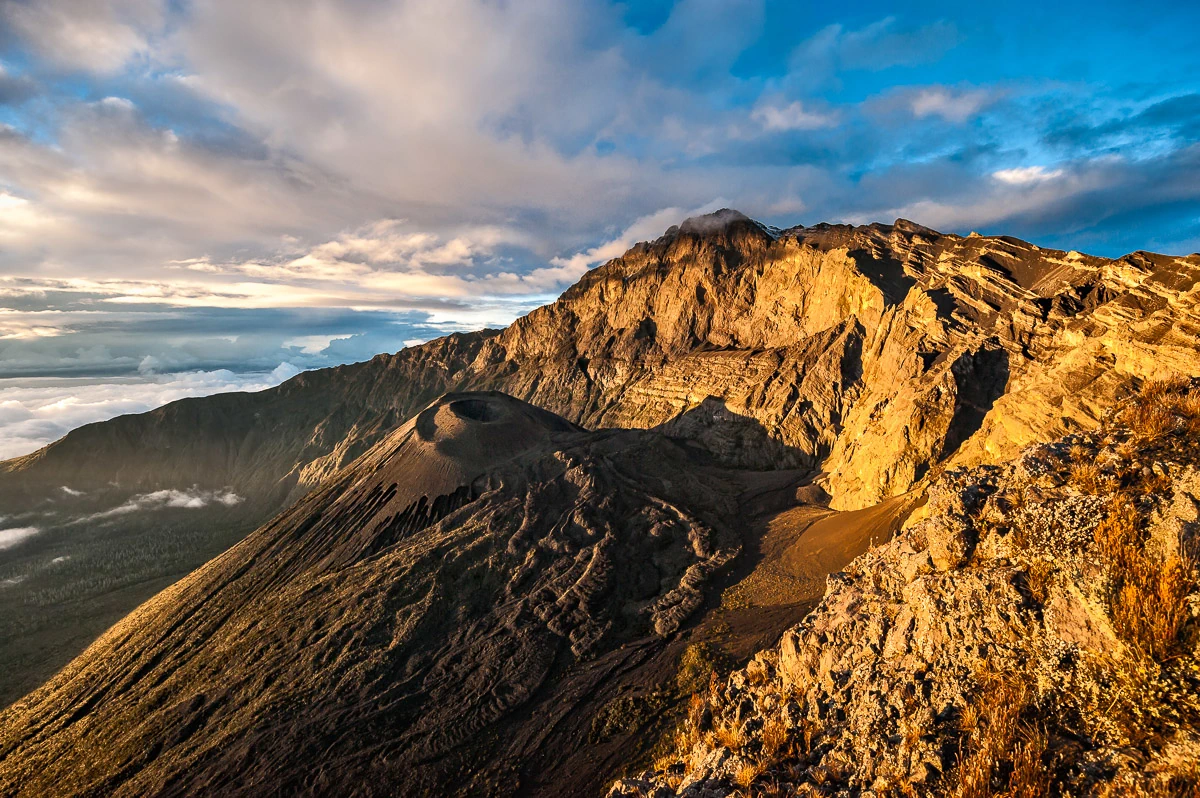
Beyond Rhino Point, the trail continues along a ridge of volcanic ash, scree, and rocks, presenting a demanding but rewarding ascent. This traverse is among the most exhilarating sections of the Mount Meru climb, with the crater’s outer wall and inner cliffs as a striking backdrop. On clear days, hikers enjoy panoramic views of Socialist Peak, Little Meru, Kilimanjaro, and the inner volcanic cone, making the effort worthwhile.
Rhino Point is especially notable on summit day, as climbers typically arrive around 2 a.m. to pursue a sunrise summit. After reaching Socialist Peak, hikers return to Rhino Point, crossing the narrow ridge with the crater’s outer wall and inner cliffs as a dramatic backdrop. This section is renowned for its exhilarating atmosphere and exceptional views of the surrounding landscape.
Location of Rhino Point
Rhino Point is located on Mount Meru at an elevation of 3,800 meters (12,631 feet), above the treeline on the crater rim. The point sits on the ridge between Saddle Hut and the main summit, Socialist Peak, marking the transition from the lower slopes to the dramatic crater-rim section of the climb. Above the treeline, the landscape is barren and rocky, with volcanic ash, scree, and rocks characterizing the terrain.
The point is accessible only by hiking and is typically reached on the third day of the Mount Meru trek during the summit attempt. The trail from Saddle Hut to Rhino Point is steep and challenging, but the views make every step worthwhile.
How to Trek to Rhino Point
The Early Morning Start
To reach Rhino Point, hikers usually start their ascent around 2 a.m., aiming to reach the summit by sunrise. The early start is essential: it lets climbers reach the summit by sunrise, keeps temperatures cooler during the climb, and ensures they can complete the descent in daylight. The initial leg involves a steep climb to Rhino Point at 3,800 meters, followed by a traverse along a narrow ridge to the summit.
The Ridge Traverse
Beyond Rhino Point, the trail follows a ridge covered in volcanic ash, scree, and rocks, offering a challenging yet rewarding ascent. Green paint marks guide the way, and the path primarily surrounds the rocky needles on the side opposite the crater. In loose stone, the trail can feel denser, and it may seem like you will never finish ascending that ridge. However, with patience and determination, you reach the summit 5 to 6 hours after leaving Saddle Hut.
The Descent
After conquering Socialist Peak, hikers retrace their steps back to Rhino Point, navigating the narrow ridge with the awe-inspiring backdrop of the crater’s outer wall and inner cliffs. This segment of the hike is renowned for its dramatic, exhilarating ambiance and unparalleled views of the surrounding landscape. After reaching Rhino Point again, hikers descend to Miriakamba Hut to rest and enjoy a well-deserved brunch before continuing downhill.
Challenges and Safety Considerations
Vertigo and Exposure
The ridge between the summit and Rhino Point can be challenging for those with vertigo, especially in icy or windy conditions. The narrow path and steep drop-offs require climbers to be comfortable with heights. People with vertigo should consult their guide before the climb to decide whether a summit attempt is suitable.
Weather Conditions
Weather at Rhino Point and along the ridge can change rapidly, with strong winds, ice, and snow possible even in the dry season. Climbers should be prepared for all conditions with appropriate clothing and gear and heed experienced guides’ guidance, especially in challenging terrain or adverse weather.
Guide Guidance
Exercise caution and follow experienced guides’ advice, especially in difficult terrain or poor weather. Guides know the route, can recommend appropriate pacing and safety measures, and will decide whether to proceed or turn back as conditions require. For adventure enthusiasts, reaching Rhino Point is a rewarding accomplishment and a testament to the beauty of Tanzania’s mountains.
Views from Rhino Point
On clear days, hikers enjoy expansive views of Socialist Peak, Little Meru, Kilimanjaro, and the inner volcanic cone. Kilimanjaro is especially striking at sunrise, when the first light illuminates its snow-capped summit. The crater’s outer wall and inner cliffs create a dramatic setting, making it truly memorable to stand on Mount Meru’s rim.
Book Your Mount Meru Trek with Blessing Safaris
Rhino Point is a landmark of exceptional beauty and significance on the Mount Meru climb, marking the start of the most dramatic and challenging section of summit day. At Blessing Safaris, we believe every trekker deserves a safe, comfortable, and memorable experience.
Our team consists of local experts who know every trail, camp, and challenge these mountains offer. We are dedicated to ethical trekking, fair treatment of our crew, and providing top-quality equipment, meals, and support.
With thousands of successful summits and an outstanding safety record, adventurers worldwide trust Blessing Safaris. Choose the trekking operator that prioritizes your safety, comfort, and success. Book your Mount Meru trek with Blessing Safaris and create memories that will last a lifetime.
Frequently Asked Questions About Rhino Point
What Is Rhino Point on Mount Meru?
Rhino Point, at 3,800 meters, is a key landmark reached on the third day of the Mount Meru climb, usually during the summit attempt to access the crater rim. Located above the treeline, it marks the start of the final section along the crater rim, shaped by a previous eruption. From Rhino Point, the trail follows a ridge of volcanic ash, scree, and rocks, presenting a challenging but rewarding ascent. On clear days, hikers enjoy panoramic views of Socialist Peak, Little Meru, Kilimanjaro, and the inner volcanic cone.
Where Is Rhino Point Located?
Rhino Point, at 3,800 meters (12,631 feet) on Mount Meru, lies above the treeline on the crater rim. Between Saddle Hut and the main summit, Socialist Peak marks the transition from the lower slopes to the crater rim. The landscape here is barren and rocky, dominated by volcanic ash, scree, and rocks.
What Is the Elevation of Rhino Point?
Rhino Point sits 3,800 meters (12,631 feet) above sea level on Mount Meru’s crater rim, above the treeline. This elevation matters because it marks the transition from the lower slopes to the high-altitude crater rim, where the terrain gets more challenging and the views more dramatic. The point is high enough that climbers will feel the effects of altitude, so proper acclimatization and pacing are essential.
How Do I Trek to Rhino Point?
Hikers typically begin their ascent to Rhino Point at 2 a.m. to reach the summit by sunrise. The route starts with a steep climb to Rhino Point at 3,800 meters, then continues along a narrow ridge to the summit. Beyond Rhino Point, the trail follows a ridge covered in volcanic ash, scree, and rocks, making the ground hard to traverse. Green paint marks the path, and experienced guides support climbers throughout the journey.
What Views Can I See from Rhino Point?
On clear days, hikers enjoy breathtaking vistas of Socialist Peak, Little Meru, Kilimanjaro, and the inner volcanic cone. The views of Kilimanjaro are particularly spectacular, especially at sunrise, when the snow-capped peak catches the first light. The crater’s outer wall and inner cliffs provide a dramatic backdrop, and standing on the rim of an ancient volcano is one of the most memorable parts of the Mount Meru experience.
Is Rhino Point Difficult to Reach?
Reaching Rhino Point involves a steep climb from Saddle Hut, typically starting around 2 a.m. The ascent is challenging but manageable for trekkers with good fitness and proper acclimatization. The ridge beyond Rhino Point is more demanding, with narrow sections and exposure, but it isn’t technical. Climbers should expect rocky terrain, loose scree, and the effects of altitude, and they should follow their guides’ advice.
Is Rhino Point Safe for People with Vertigo?
The ridge between the summit and Rhino Point can be challenging for those with vertigo, especially in icy or windy conditions. Its narrow path and steep drop-offs require climbers to be comfortable with heights. People with vertigo should consult their guide before the climb to decide whether a summit attempt is suitable.
What Is the Ridge Between Rhino Point and the Summit Like?
Beyond Rhino Point, the trail follows a ridge covered in volcanic ash, scree, and rocks, offering a challenging yet rewarding ascent. Green paint marks guide the way, and the path primarily surrounds the rocky needles on the side opposite the crater. In loose stone, the trail gets a little denser, and it may feel like you will never finish ascending that ridge. However, with patience and determination, you reach the summit 5 to 6 hours after leaving Saddle Hut.
What Happens After Reaching Rhino Point on the Descent?
After reaching Socialist Peak, hikers return to Rhino Point along the narrow ridge, with views of the crater’s outer wall and inner cliffs. From Rhino Point, they descend to Miriakamba Hut to rest and enjoy brunch before continuing downhill. The descent to Miriakamba Hut usually takes 10 to 12 hours and is often considered the most challenging day of the Mount Meru climb.
What Is the Best Time to Reach Rhino Point?
The best time to reach Rhino Point is in the early morning, typically around sunrise, when the views are most spectacular and the weather is often clearer. Hikers usually start their ascent around 2 a.m. to reach Rhino Point and the summit by sunrise for a memorable, rewarding experience.
What Should I Bring to Rhino Point?
For the trek to Rhino Point, bring warm clothing, a windproof jacket, sturdy hiking boots, a headlamp, water, snacks, and a camera. Because of the altitude and the risk of cold and strong winds, bring thermal layers, a hat, and gloves. Trekking poles help on the descent, while sunscreen and sunglasses protect you from the strong high-altitude sun.
How Long Does It Take to Reach Rhino Point?
The climb from Saddle Hut to Rhino Point takes about 2 to 3 hours, depending on pace and conditions. Summit day, which includes the ridge traverse to Socialist Peak and descent to Miriakamba Hut, requires 10 to 12 hours of walking and is the most challenging day of the Mount Meru climb.
Why Is Rhino Point Important?
Rhino Point matters because it marks the transition from the lower slopes to the crater rim and offers some of the mountain’s most spectacular views. It is also a key milestone on summit day, providing climbers with a sense of achievement and a chance to rest before the final push to the summit. The point is a major landmark on the Mount Meru trek and a highlight of the summit-day experience.
Can I Combine Rhino Point with Little Meru?
Yes, many trekkers combine the Rhino Point summit day with a visit to Little Meru the day before. Trekkers typically climb Little Meru on the second day as an acclimatization hike, then attempt Rhino Point on the third day. Combining both peaks provides excellent acclimatization and a comprehensive Mount Meru experience.
Rhino Point Mount Meru
You May Also Like
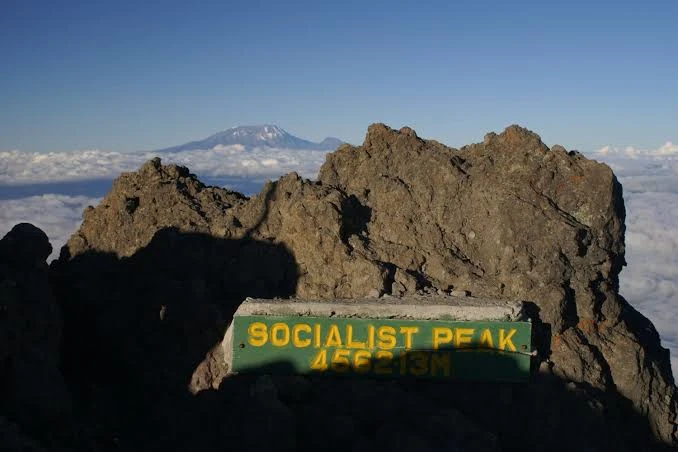
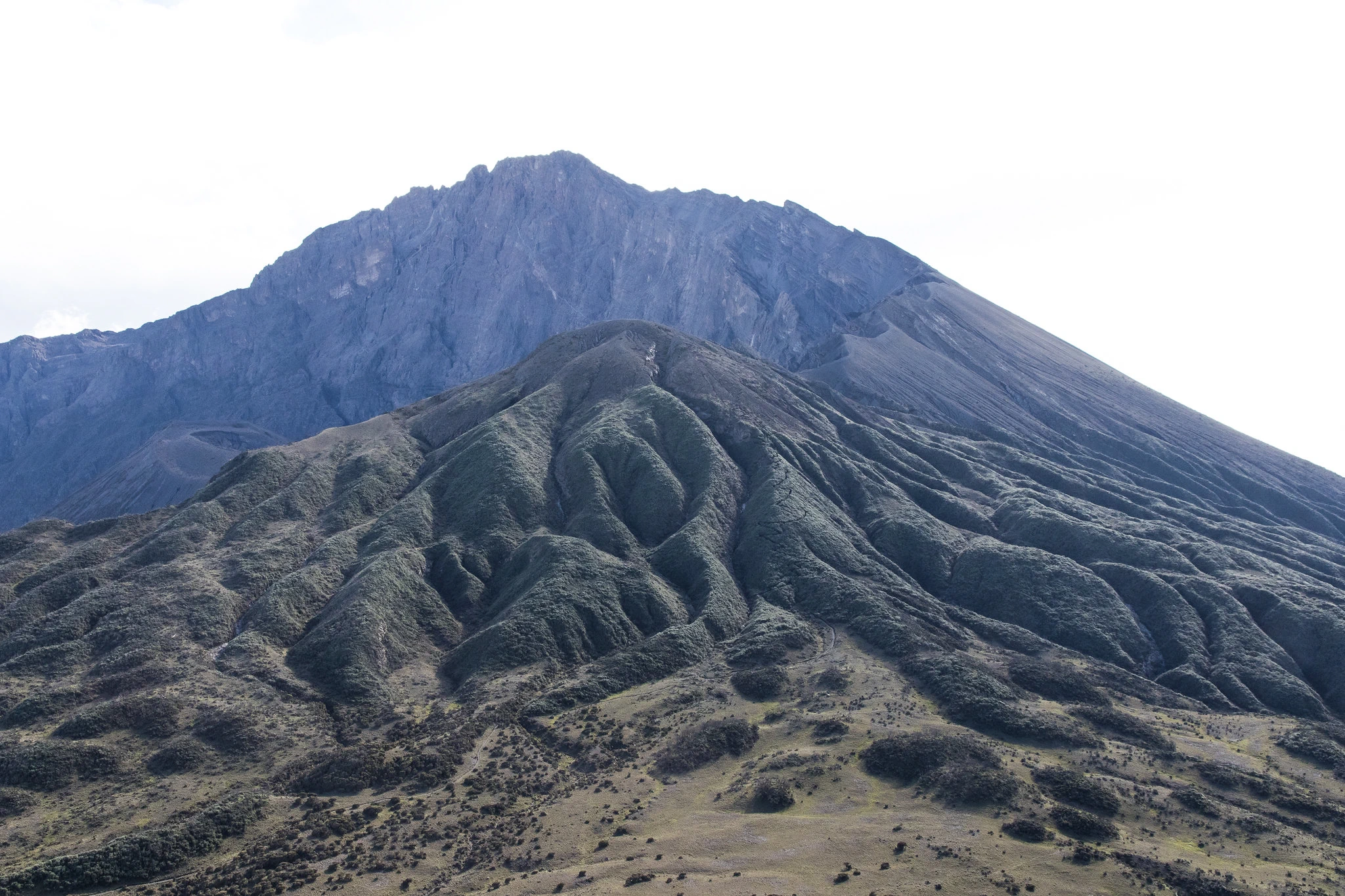
Socialist Peak, the main summit of Mount Meru at 4,562 meters, is marked by a signpost atop volcanic rocks. As the mountain’s highest point, it offers exceptional views and serves as the primary objective for trekkers climbing Tanzania’s second-highest mountain
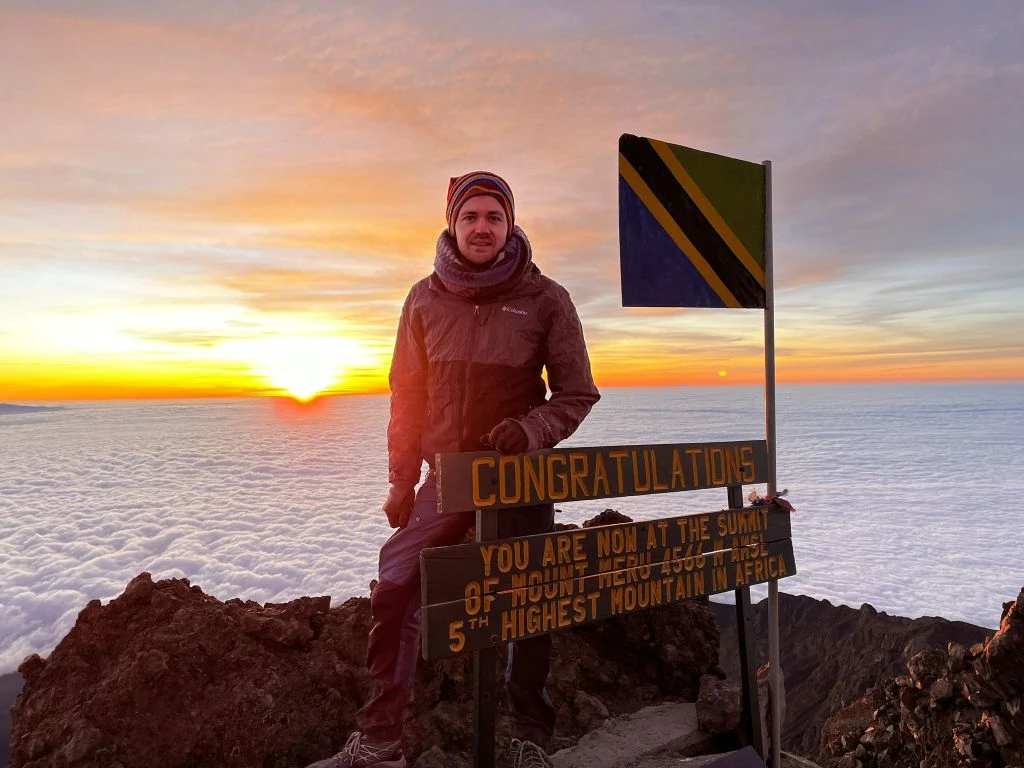
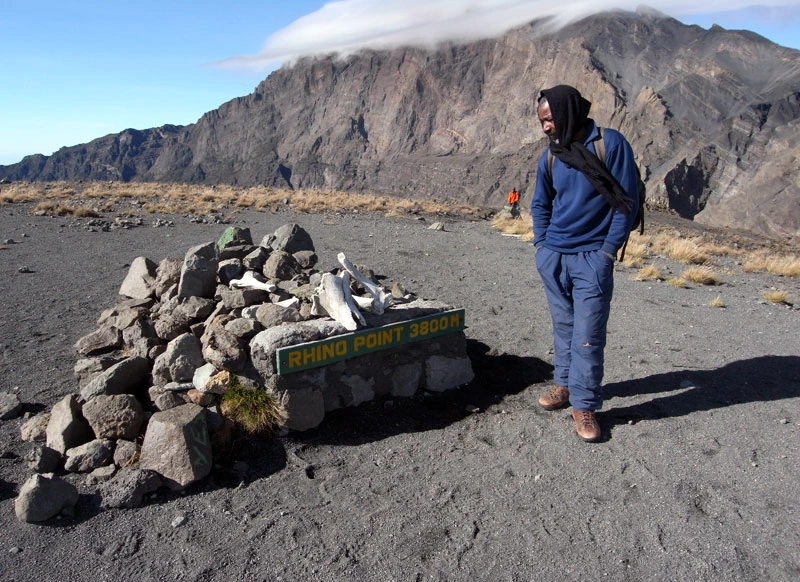
The Mount Meru 4 Day Hike follows the Momella Route to the summit at 4,566 meters. Many climbers use Mount Meru for acclimatization before attempting Kilimanjaro. Because of its volcanic history, the mountain has little snow
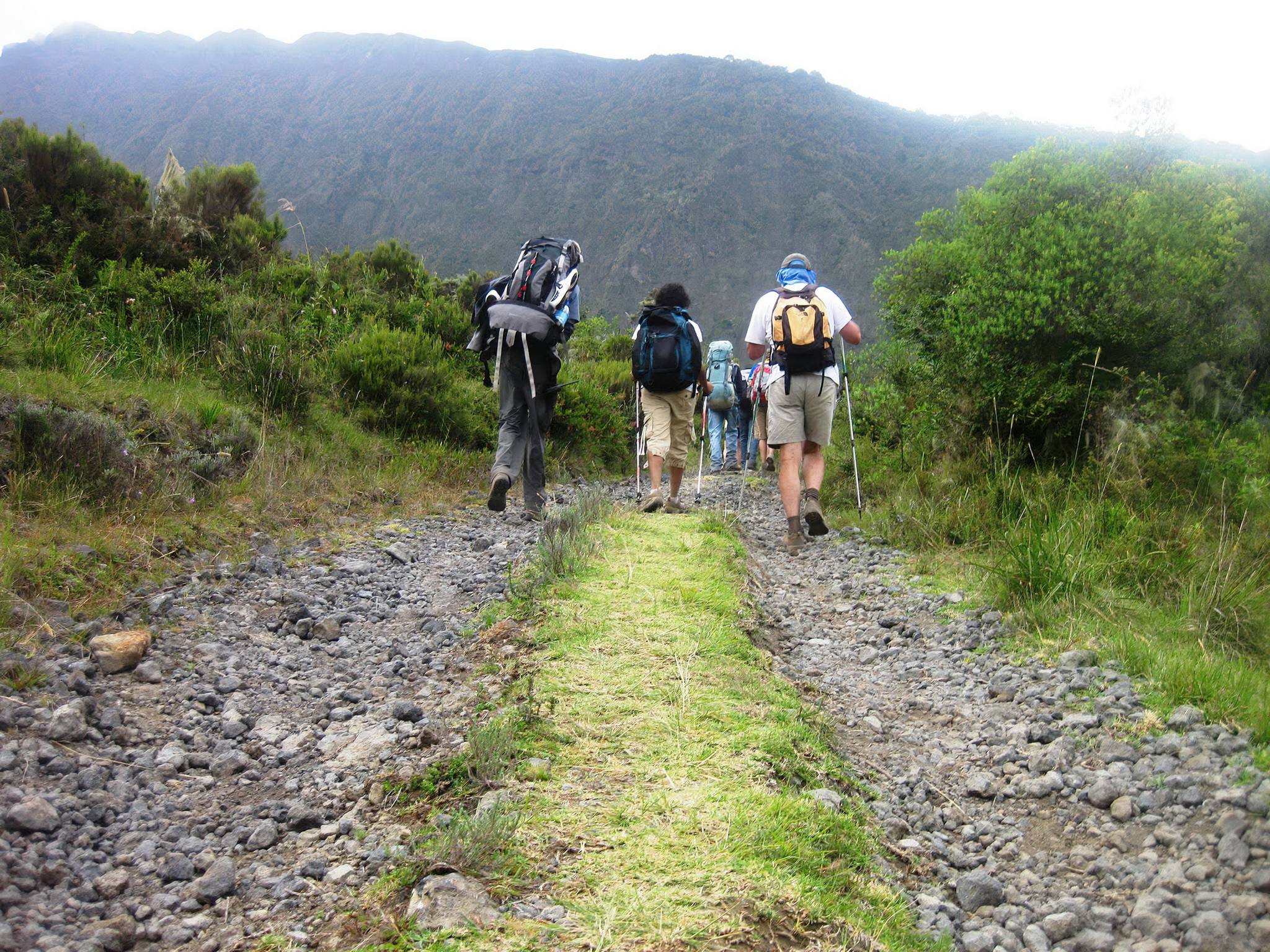
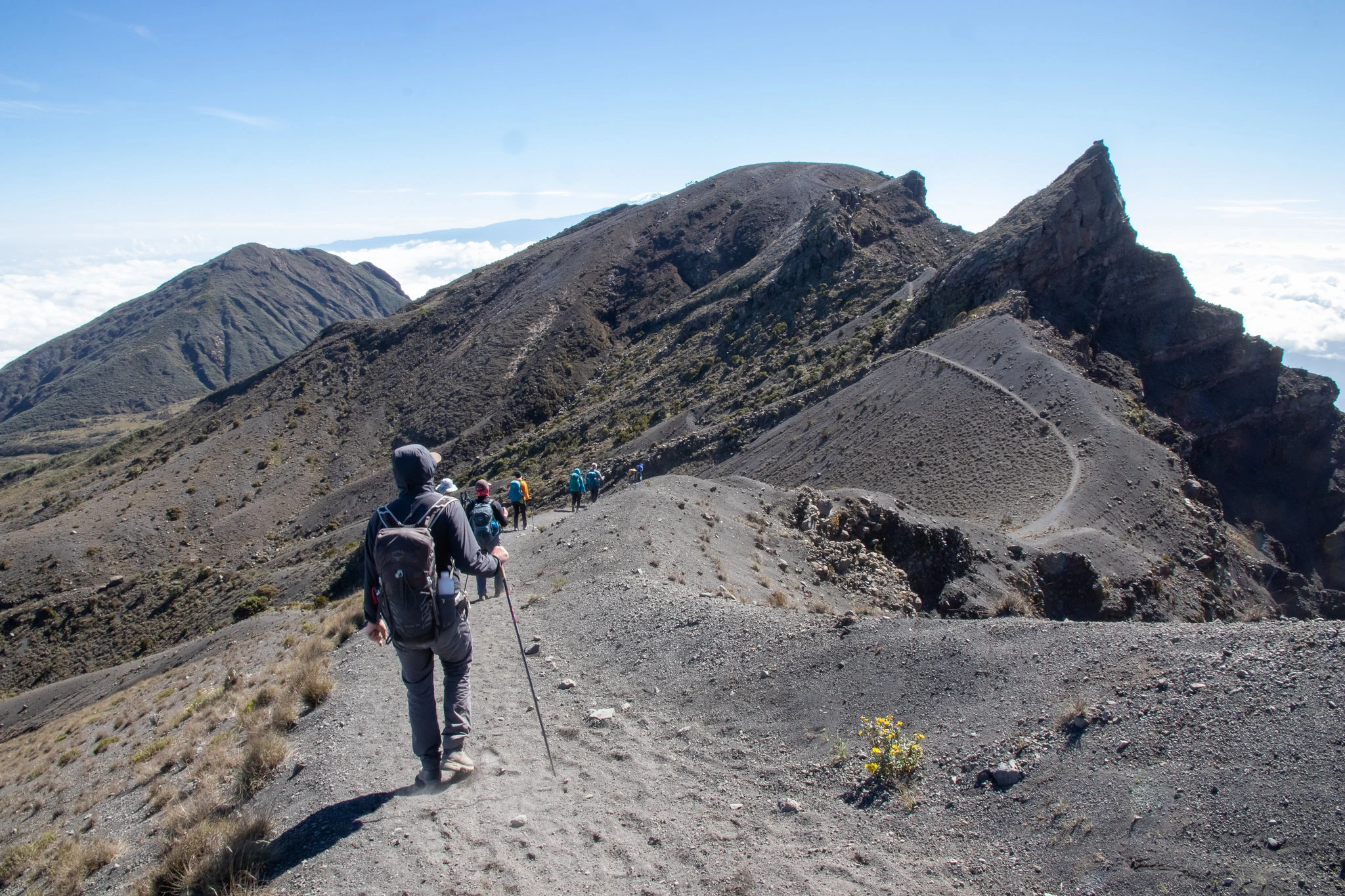
The 3-Day Mount Meru Climb follows the Momella Route to the 4,566-meter summit. You can complete the ascent in three days, but we strongly recommend a four-day itinerary for better acclimatization