
Socialist Peak
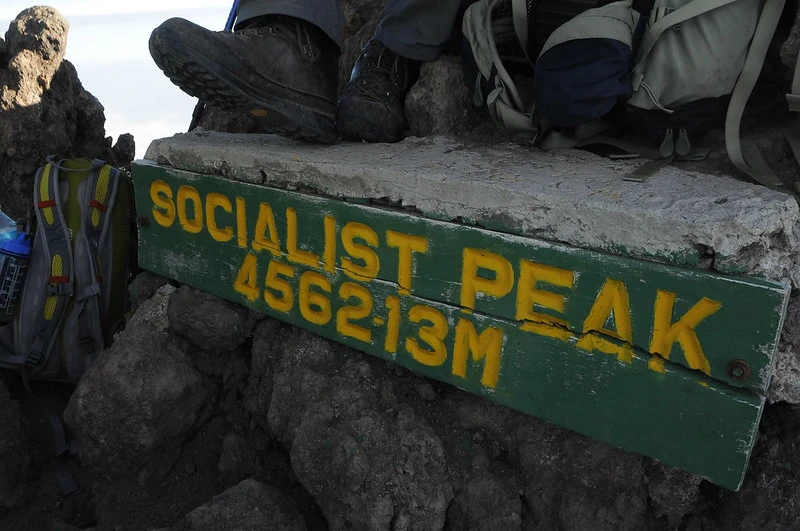
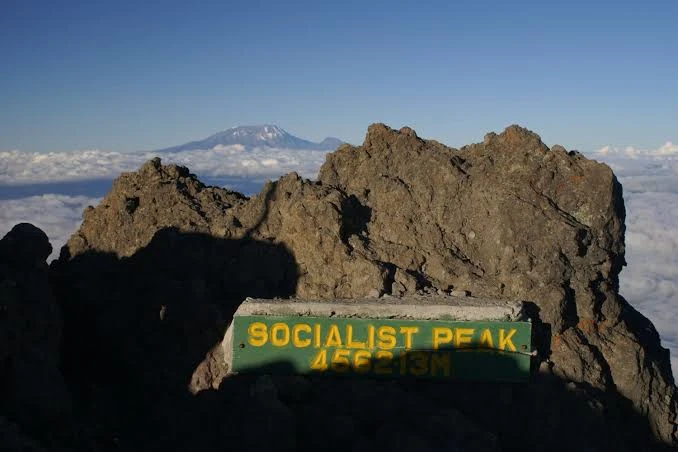
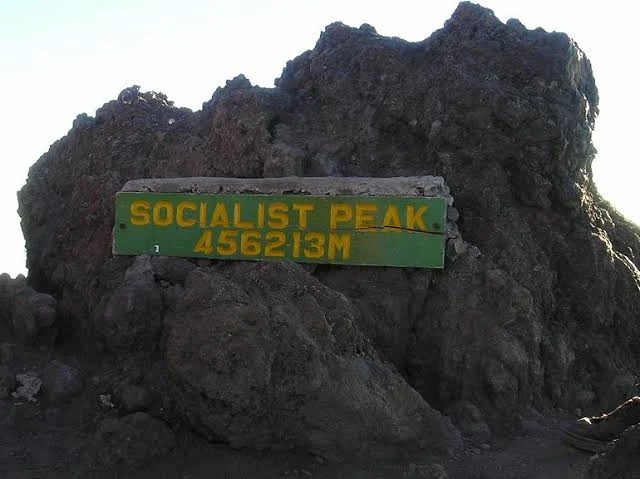
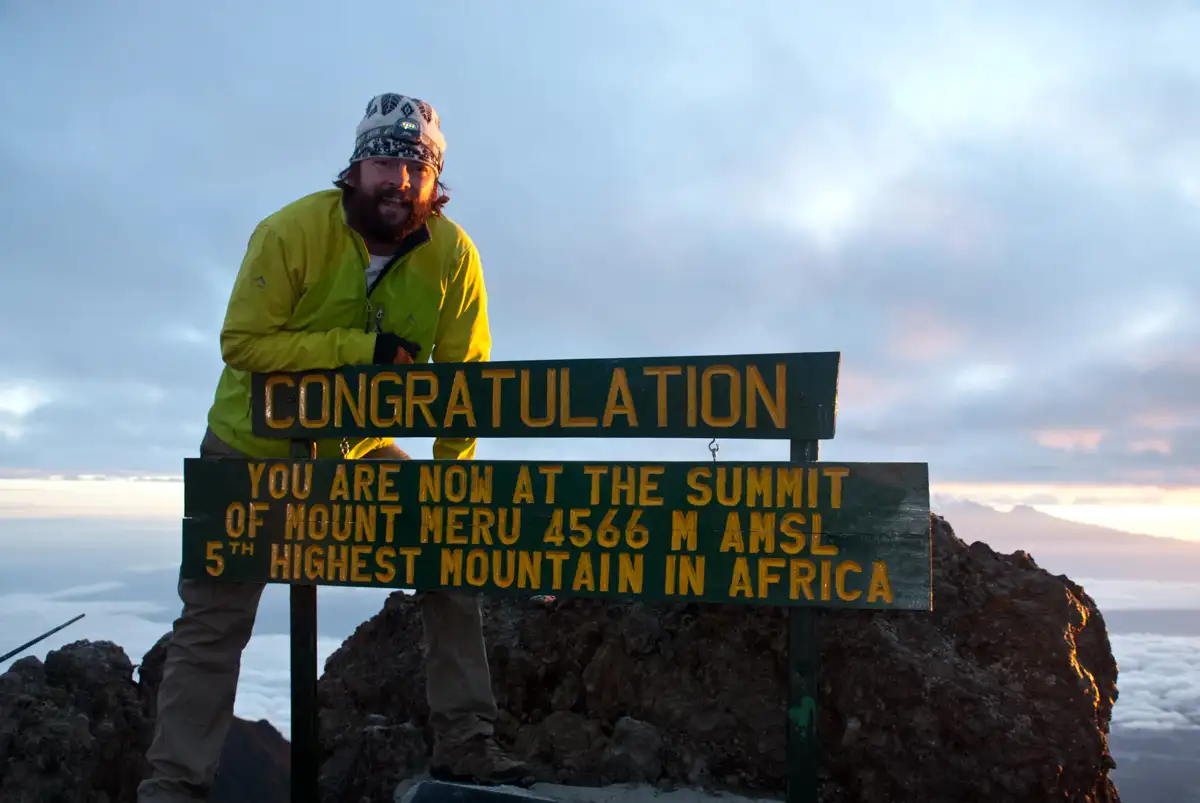
Socialist Peak, the main summit of Mount Meru at 4,562 meters, is marked by a signpost atop volcanic rocks. As the mountain’s highest point, it offers exceptional views and serves as the primary objective for trekkers climbing Tanzania’s second-highest mountain. Reaching the summit is a profound achievement and a moment of remarkable beauty.
Mount Meru has two main peaks: Socialist Peak and Little Meru, the latter at 3,820 meters, which climbers use for acclimatization on the second day of the trek. From Socialist Peak, climbers enjoy views of Mount Kilimanjaro above the clouds, Mount Meru’s crater and inner volcanic cone, and the expansive plains of northern Tanzania. The summit provides a 360-degree panorama, considered among the finest in East Africa, rewarding those who complete the challenging ascent.
The peak lies in the alpine desert zone, a high-altitude area with no vegetation or wildlife. This stark environment contrasts sharply with the lush rainforest at the mountain’s base, creating a sense of being on top of the world. For many trekkers, reaching Socialist Peak is the highlight of their Mount Meru journey and a memorable achievement.
Location of Socialist Peak
Socialist Peak sits on the eastern edge of Mount Meru’s outer crater rim in Arusha National Park, northern Tanzania. Its proximity to Arusha, Moshi, and Kilimanjaro International Airport makes it easy for visitors to reach.
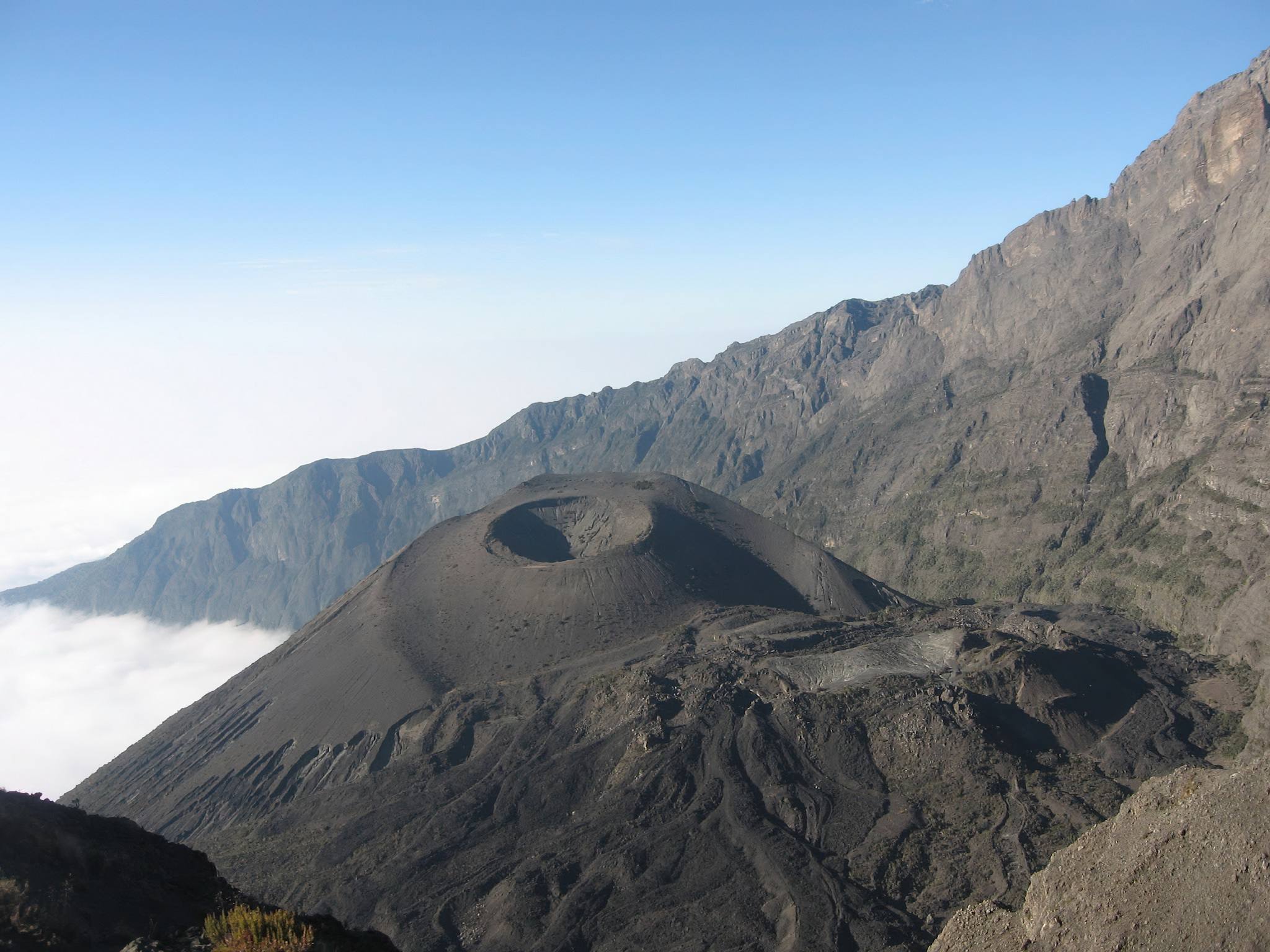
From the summit, climbers can view the inner volcanic Ash Cone and the dramatic landscape shaped by the mountain’s ancient collapse. The eastern views of Kilimanjaro are especially striking at sunrise, when the first light illuminates its snow-capped peak.
Summiting Mount Meru’s Socialist Peak
You normally reach Socialist Peak during day 3 of your Mount Meru trek. The summit attempt begins in the early hours from Saddle Hut, typically around midnight or 1 a.m., following the ridge to Rhino Point and on to the summit. The ascent takes 5 to 6 hours, crossing volcanic ash and rocky terrain, with some scrambling near the top. On the third day of summiting, those lucky enough to arrive before sunrise are rewarded with spectacular views of Mount Kilimanjaro, nearby Arusha City, and the vast Arusha National Park.
The final section of the ascent is the most challenging, requiring careful footing on loose stones and some scrambling over rocky outcrops. Green paint marks guide the way, and the guides know the route, ensuring climbers stay on track. The summit, marked by a Tanzanian flag and a signpost visible from afar, is a moment of triumph and relief.
Activities at Socialist Peak
Reaching the top of Tanzania’s second-highest mountain after Mount Kilimanjaro is a rewarding effort that deserves some congratulations and, of course, a certificate of recognition. Activities here include photography and relaxation after reaching the summit as you soak in the morning sun. The summit offers endless photo opportunities, with the crater, the inner volcanic cone, Kilimanjaro, and the surrounding plains providing spectacular backdrops.
For many climbers, the most memorable activity at Socialist Peak is simply standing at the signpost and taking in the view. The sense of achievement, combined with the beauty of the landscape, creates a moment of profound emotion that stays with climbers long after they descend. It is a moment to celebrate, to reflect, and to appreciate the extraordinary journey that brought you there.
Socialist Peak Vegetation Zone
Socialist Peak lies in the alpine desert zone, a high-altitude area with no plants or animals. Animals live only at low altitudes, where vegetation provides food and shelter. The alpine desert is characterized by rocky terrain, volcanic ash, and extreme temperature swings, with intense daytime sun and freezing nights. This stark environment reminds us of the mountain’s volcanic origins and the harsh conditions of high altitude.
How to Get to Socialist Peak
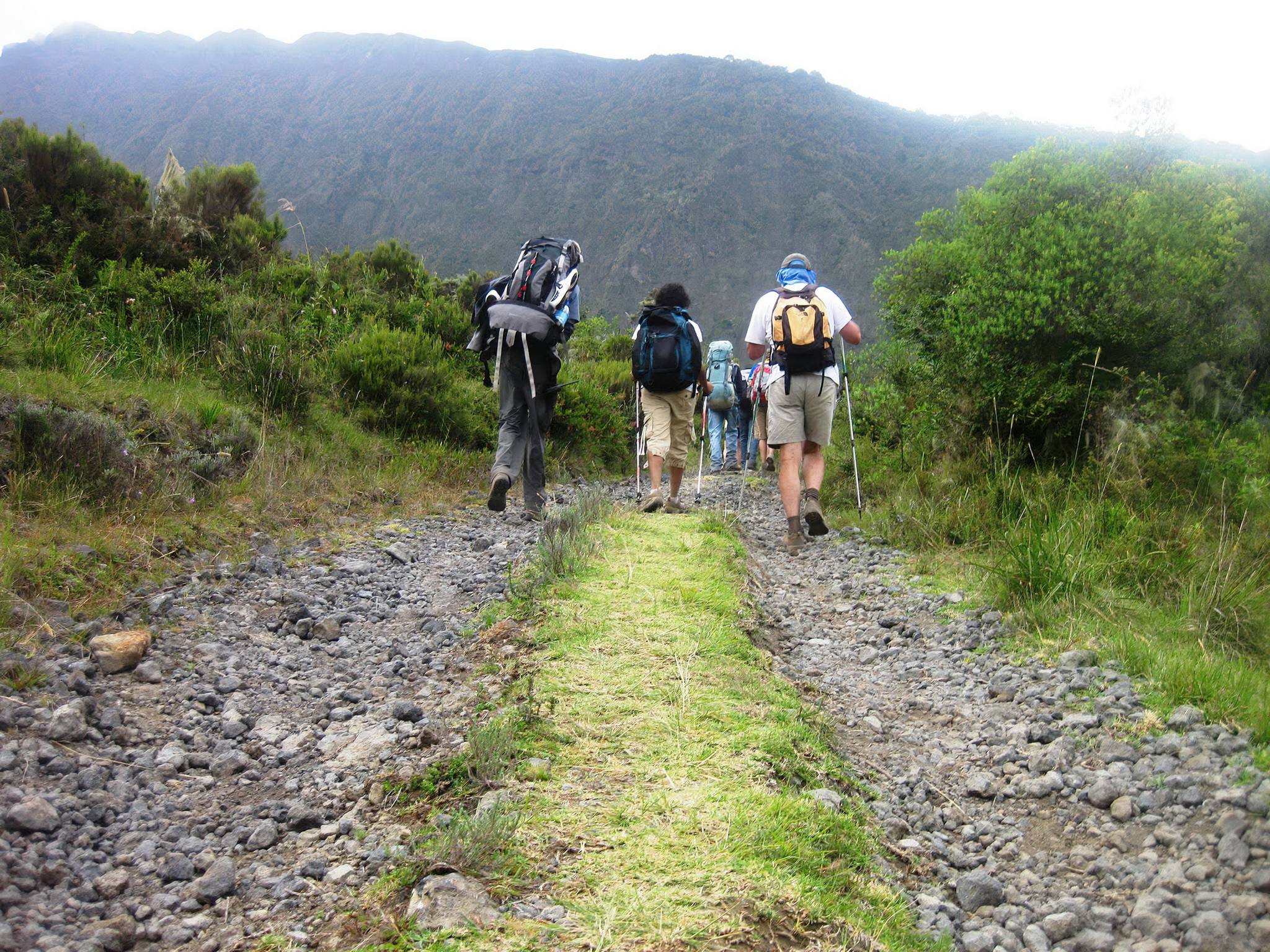
You can reach Socialist Peak only by hiking, a trek that takes about two to three days and begins at Momella Gate. The route follows the Momella Route, the only designated trail to the summit, passing through rainforest, heath, and alpine desert zones before reaching the peak. A guide and an armed ranger accompany trekkers, ensuring safety and offering valuable insights into the mountain’s wildlife and landscapes. The journey is challenging but rewarding, and the summit views make every step worthwhile.
Best Time to Visit Socialist Peak
You can visit the Socialist Peak of Mount Meru year-round and climb Mount Meru at any time. However, the best time to climb is during the dry seasons, from June to October and December to February, when the weather is clear and dry, and trail conditions are optimal. During the rainy months of March to June, trails can be muddy and slippery, and clouds may obscure the views. Regardless of the season, the summit offers a unique and unforgettable experience.
Book Your Mount Meru Trek with Blessing Safaris
Socialist Peak is the highlight of the Mount Meru trek, offering a rewarding experience for determined climbers. At Blessing Safaris, we ensure every trekker enjoys a safe, comfortable, and memorable journey.
Our team consists of local experts who know every trail, camp, and challenge on these mountains. We are dedicated to ethical trekking, fair treatment of our crew, and providing top-quality equipment, meals, and support.
With thousands of successful summits and an outstanding safety record, adventurers worldwide trust Blessing Safaris. Choose the operator that prioritizes your safety, comfort, and success. Book your Mount Meru trek with Blessing Safaris and create lasting memories.
Frequently Asked Questions About Socialist Peak
What Is Socialist Peak?
Socialist Peak is the main summit of Mount Meru, standing at 4,562.13 meters and bearing a signpost planted atop a pile of volcanic rocks. It is the mountain’s highest point and offers stunning views. Socialist Peak is one of only two peaks on Mount Meru, the other being Little Meru. From the summit, you can see Mount Kilimanjaro towering over the clouds, Mount Meru’s crater and inner volcanic cone, and the vast plains of northern Tanzania. Reaching the peak is the ultimate goal of every Mount Meru trek and a moment of profound achievement.
Where Is Socialist Peak Located?
Socialist Peak lies on the far eastern rim of Mount Meru’s crater. The peak is part of Mount Meru, located in Arusha, northern Tanzania, within Arusha National Park. Its location in northern Tanzania puts it within easy reach of Arusha, Moshi, and Kilimanjaro International Airport, making it a convenient addition to any Tanzanian itinerary. From the summit, climbers can look down into the crater and see the inner volcanic cone, the Ash Cone, and the dramatic landscape formed by the mountain’s collapse thousands of years ago.
What Is the Elevation of Socialist Peak?
Socialist Peak stands at 4,562.13 meters (14,968 feet) above sea level, making it Mount Meru’s highest point and Tanzania’s second-highest peak after Kilimanjaro. This elevation places it in the alpine desert zone, an area found at very high altitude with no plants or animals. The summit offers a 360-degree panorama, arguably one of East Africa’s finest, rewarding climbers for the steep, challenging ascent. The elevation is high enough that climbers will feel the effects of altitude, so proper acclimatization is essential.
How Do I Reach Socialist Peak?
You can reach Socialist Peak only by hiking, a trek that takes about two to three days and begins at Momella Gate. The route follows the Momella Route, the only designated trail to the summit, passing through rainforest, heath, and alpine desert zones before reaching the peak. A guide and an armed ranger accompany trekkers, ensuring safety and offering insights into the mountain’s wildlife and landscapes. The journey is challenging but rewarding, and the summit views make every step worthwhile.
When Is the Best Time to Visit Socialist Peak?
You can visit Socialist Peak on Mount Meru year-round. However, the best time to climb is during the dry seasons, from June to October and December to February, when the weather is clear and dry, and trail conditions are optimal. During the rainy months of March to June, trails can be muddy and slippery, and clouds may obscure the views. Regardless of the season, the summit offers a unique and unforgettable experience.
What Activities Can I Do at Socialist Peak?
Reaching the top of Tanzania’s second-highest mountain after Mount Kilimanjaro is a rewarding effort that deserves some congratulations and, of course, a certificate of recognition. Activities here include photography and relaxation after reaching the summit, soaking up the morning sun. The summit offers endless photo opportunities, with the crater, the inner volcanic cone, Kilimanjaro, and the surrounding plains providing spectacular backdrops. For many climbers, the most memorable activity is simply standing at the signpost and taking in the view.
What Is the Vegetation Zone at Socialist Peak?
Socialist Peak lies in the alpine desert zone, a high-altitude area with no plants or animals. Animals live only at low altitudes, where vegetation provides food and shelter. The alpine desert is characterized by rocky terrain, volcanic ash, and extreme temperature swings, with intense daytime sun and freezing nights. This stark environment reminds us of the mountain’s volcanic origins and the harsh conditions of high altitude.
What Views Can I See from Socialist Peak?
From Socialist Peak, you get a great view of Mount Kilimanjaro towering over the clouds, Mount Meru’s crater and inner volcanic cone, and the vast plains of northern Tanzania stretching out below. On clear days, you may also see Mount Kenya in the distance and the city of Arusha nearby. The summit offers a 360-degree panorama, arguably one of the finest in East Africa, especially at sunrise, when Kilimanjaro’s snow-capped peak catches the first light of day.
What Is the Difference Between Socialist Peak and Little Meru?
Socialist Peak is the main summit of Mount Meru at 4,562 meters, while Little Meru is a subsidiary peak at 3,820 meters. Hikers typically climb Little Meru on the second day to acclimatize, then reach Socialist Peak on the third day. Both peaks offer spectacular views, but Socialist Peak is higher and more challenging, requiring a longer and steeper ascent.
How Long Does It Take to Reach Socialist Peak?
The summit attempt from Saddle Hut to Socialist Peak takes 5 to 6 hours and starts early in the morning. The total trek to reach the peak takes approximately two to three days from Momella Gate, depending on the itinerary and pace. Most trekkers complete the Mount Meru climb in four days, with the summit reached on day three.
Do I Get a Certificate for Reaching Socialist Peak?
Yes, reaching the top of Tanzania’s second-highest mountain after Mount Kilimanjaro is a rewarding effort that deserves some congratulations and, of course, a certificate of recognition. Many tour operators, including Blessing Safaris, provide certificates to climbers who reach the summit, acknowledging their achievement and providing a lasting memento of their adventure.
What Should I Bring to Socialist Peak?
For the summit attempt, bring warm clothing, a windproof jacket, gloves, a hat, sturdy hiking boots, a headlamp, water, snacks, and a camera. Because of cold temperatures and strong winds, you’ll also need thermal layers and a quality sleeping bag. Trekking poles help with the descent, while sunscreen and sunglasses protect you from the intense high-altitude sun.
Is Socialist Peak a Good Warm-Up for Kilimanjaro?
Yes, Socialist Peak and the Mount Meru trek are widely considered an excellent warm-up for Kilimanjaro. The four-day trek allows trekkers to acclimatize to the region’s altitude and weather before attempting Africa’s highest peak. Hiking at altitude, sleeping in huts, and testing gear in a high-mountain environment provide valuable preparation for Kilimanjaro’s challenges.
What Is the Crater of Mount Meru Like?
Mount Meru’s crater is a dramatic feature formed when the mountain collapsed thousands of years ago. From Socialist Peak, you can look down into the crater and see the inner volcanic cone, the Ash Cone, and the rugged landscape that characterizes the summit zone. The crater reminds you of the mountain’s volcanic origins and rewards climbers with a spectacular view.
Socialist Peak
You May Also Like
Mount Meru, Tanzania’s second-highest mountain at 4,566 meters, is Africa’s fifth-highest peak. Situated in Arusha National Park, this dormant volcano offers dramatic scenery, abundant wildlife
The Mount Meru 4 Day Hike follows the Momella Route to the summit at 4,566 meters. Many climbers use Mount Meru for acclimatization before attempting Kilimanjaro. Because of its volcanic history, the mountain has little snow.
The 3-Day Mount Meru Climb follows the Momella Route to the 4,566-meter summit. You can complete the ascent in three days, but we strongly recommend a four-day itinerary for better acclimatization