
Millennium Camp Kilimanjaro
Millennium Camp is located at approximately 3,820 meters on Mount Kilimanjaro’s south-eastern slopes and serves as an alternative overnight stop for climbers descending via the Mweka Route. Climbers can choose between Millennium Camp, which is higher, or the lower Mweka Camp as their final resting point before completing their descent. Millennium Camp is ideal for those seeking a shorter final day or a rest at higher altitude, offering a quiet, comfortable option often overlooked in favor of the more popular Mweka Camp.
Climbers descending from the summit via the Northern Circuit, Lemosho, Shira, Machame, and Umbwe routes all use this campsite, as these routes converge on the Mweka Route for descent. Millennium Camp is higher than Mweka Camp, so staying here results in a shorter descent to the gate the next day but a longer hike from Barafu Camp the previous day. This lets climbers choose the option that best matches their energy, fitness, and preferences for the final stage of their journey.
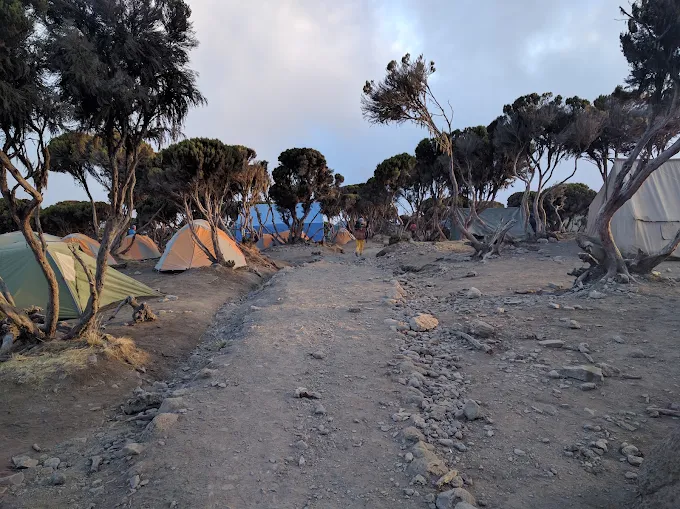
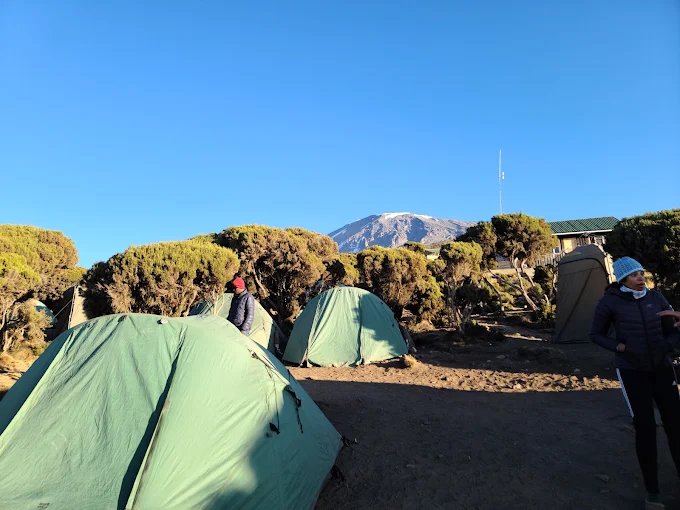
Millennium Camp is notable for its small size and quiet atmosphere. Because most climbers choose Mweka Camp, Millennium Camp receives fewer visitors, offering a more peaceful, secluded experience. The campsite is tent-only, with no permanent structures, but offers distinctive facilities, such as toilets with transparent roofs that let in natural light, adding comfort to the high-altitude camping experience.
Location of Millennium Camp
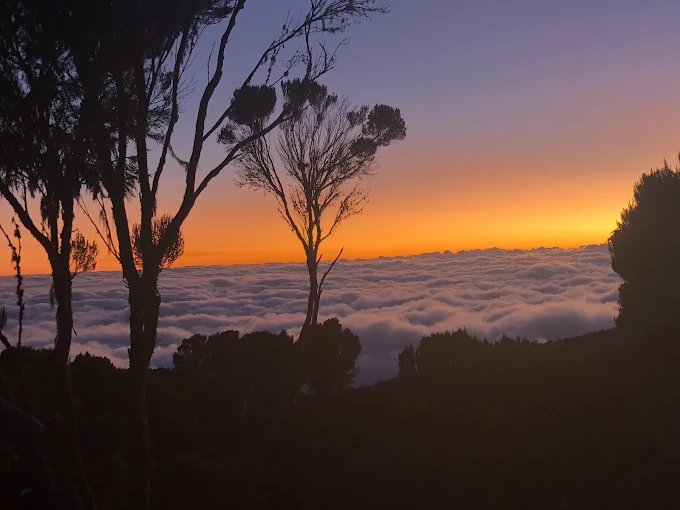
Millennium Camp sits on a ridge at the base of Mount Kilimanjaro’s south-eastern slopes, at about 3,820 meters. Its elevated position offers impressive views of the plains and slopes below. Located just a few kilometers from Mweka Gate, the main exit for descending climbers, it serves as a convenient final stop before completing the trek.
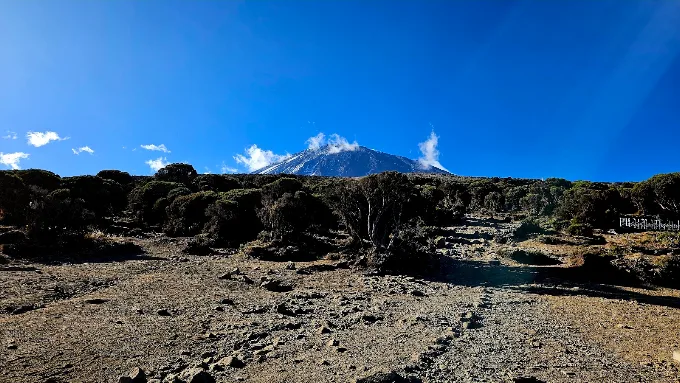
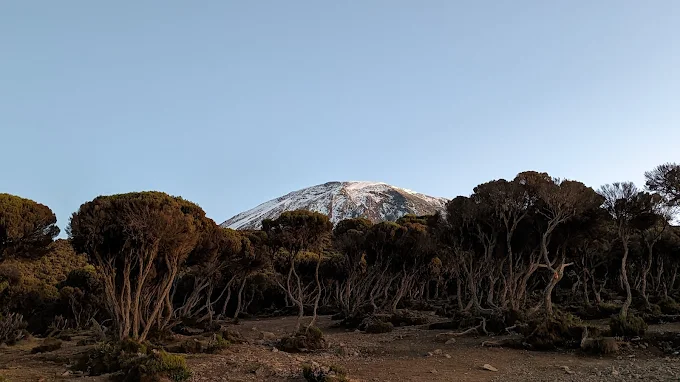
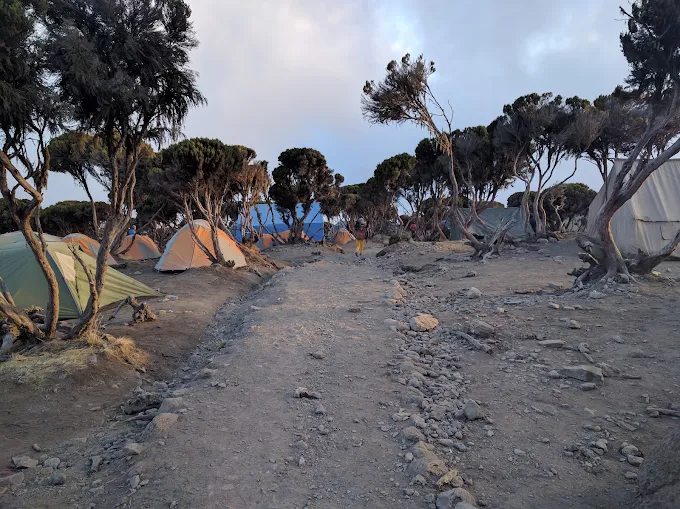
Located in the heath region, Millennium Camp lies between the moorland and rainforest zones. This area receives significant rainfall, second only to the rainforest, resulting in a lush environment with short trees and scattered shrubs. The greenery makes Millennium Camp a pleasant and refreshing contrast to the barren alpine desert found at higher elevations.
Mweka Camp, located lower on the mountain, is the next campsite after Millennium Camp and the final stop before Mweka Gate. Climbers staying at Millennium Camp usually descend from Barafu Camp or another high-altitude site the day before, making the final trek to the gate shorter and more manageable. Millennium Camp is also used by those descending from the summit, with Barafu Camp typically serving as the last camp before the descent.
Location of Millennium Camp on Map
Facilities at Millennium Camp
Millennium Camp provides tent-only accommodation, with no permanent sleeping structures. Climbers must bring their own tents, usually carried by porters, and set up camp on the available terrain. The campsite is small and quiet, with less traffic than Mweka Camp, offering a peaceful environment for rest and recovery after the descent from the summit.
The camp’s most distinctive feature is the transparent roof over the toilets, which lets in natural light and adds comfort to the high-altitude experience. Millennium Camp offers both W.C. toilets and established pit latrines, providing essential, well-maintained sanitation facilities. These amenities offer welcome comfort after a long day of descent.
The only other structure at Millennium Camp is a wooden ranger’s cabin, where climbers register upon arrival and departure for security. This process ensures all climbers are accounted for and that park regulations are followed, supporting safety and organization. Despite its basic facilities, Millennium Camp offers a comfortable, convenient final stop, allowing climbers to rest and prepare for the descent to Mweka Gate.
Millennium Camp to Mweka Gate
The trek from Millennium Camp to Mweka Gate marks the final stage of the Kilimanjaro journey, often seen as the return to civilization. Covering approximately 14 kilometers from 3,825 meters to 1,160 meters, the descent takes 3 to 4 hours on foot. The trail passes through heath and rainforest zones, providing a last chance to experience Kilimanjaro’s diverse ecosystems.
The descent to Mweka Gate is both celebratory and reflective. Climbers often recall the challenges faced, friendships built, and the achievement of reaching Uhuru Peak. The rainforest trail offers a gradual return to lower elevations, accompanied by the sounds of local wildlife.
At Mweka Gate, climbers receive summit certificates and bid farewell to their mountain crew before heading to their hotels for a well-deserved rest. As the main exit for the Mweka Route, the gate marks the end of the climb. The atmosphere is often jubilant, with the support crew leading celebrations.
Environment, Climate, and Landscape at Millennium Camp
Millennium Camp is located in the heath region of Mount Kilimanjaro, between the moorland and rainforest. This area features short trees, shrubs, and strong winds, creating a landscape that is both scenic and demanding. While the camp’s ridge position increases wind exposure, surrounding vegetation offers some shelter, making it a comfortable place to rest.
Millennium Camp’s heath-zone location shapes its climate, which receives significant rainfall. Temperatures are cool, and nights can be especially chilly during the dry season. Climbers should bring warm layers and waterproof clothing, as weather conditions can change rapidly. Rainfall and humidity support the lush vegetation around the camp, creating a green, inviting environment that contrasts with the barren areas found higher up.
Wildlife at Millennium Camp consists mainly of small animals, as larger species found at lower altitudes do not inhabit this elevation. Climbers may encounter various birds and small mammals, but the camp remains generally quiet. Its peaceful atmosphere, scenic surroundings, and sense of accomplishment make Millennium Camp a memorable final stop on the Kilimanjaro journey.
Remark: Book Your Kilimanjaro Climb Today
Millennium Camp is a quiet and convenient alternative to Mweka Camp for climbers descending from Mount Kilimanjaro’s summit. Its tent-only accommodation, transparent-roof toilets, and peaceful setting make it an ideal final stop before reaching Mweka Gate. At Blessing Safaris, we are dedicated to providing a safe, comfortable, and memorable experience.
Our local team knows Kilimanjaro intimately and is committed to ethical climbing, fair treatment of the crew, and high-quality equipment and support. With a high number of successful summits and an outstanding safety record, we have earned the trust of climbers worldwide. Choose Blessing Safaris for your Kilimanjaro adventure and let us help you achieve your summit goal.
Frequently Asked Questions About Millennium Camp
What Is Millennium Camp?
Millennium Camp is an overnight campsite on Mount Kilimanjaro, located at approximately 3,820 meters on the south-eastern slopes. It provides an alternative to Mweka Camp for climbers descending the Mweka Route from the Northern Circuit, Lemosho, Shira, Machame, and Umbwe routes. The camp offers a quiet setting, tent-only accommodation, and transparent-roof toilets that let in natural light. Millennium Camp is an excellent, often-overlooked option for those seeking a shorter final day or a more peaceful last night on the mountain than at the busier Mweka Camp. Although facilities are basic, the camp offers a comfortable and convenient stop before the final descent to Mweka Gate.
Where Is Millennium Camp Located?
Millennium Camp is situated on a ridge at the base of Mount Kilimanjaro’s south-eastern slopes, at approximately 3,820 meters. The camp offers expansive views of the plains and slopes below. Located just a few kilometers from Mweka Gate, the main exit for descending climbers, it serves as a convenient final stop. Positioned in the heath region, the camp lies between moorland and rainforest, receives moderate rainfall, and is surrounded by short trees and shrubs. The next campsite, Mweka Camp, is lower on the mountain and is the last stop before Mweka Gate.
What Is the Elevation of Millennium Camp?
Millennium Camp is situated at approximately 3,820 meters (12,533 feet) above sea level in Mount Kilimanjaro’s heath region. This location marks the transition from alpine zones to more vegetated lower slopes, providing relief from the summit’s extreme altitude. The camp sits higher than Mweka Camp, at about 3,100 meters. Staying at Millennium Camp shortens the descent to the gate the next day, though it requires a longer hike from Barafu Camp the day before. This arrangement lets climbers choose the option that best suits their energy levels and preferences for the final stage of the trek. The camp’s elevation also aids altitude recovery, often improving sleep and energy.
What Facilities Are Available at Millennium Camp?
Millennium Camp provides tent-only accommodation, with no permanent sleeping structures. Climbers must bring their own tents, usually carried by porters, and set up camp on site. The camp’s most distinctive feature is the transparent roof on the toilets, which lets in natural sunlight and improves comfort at high altitude. Both W.C. toilets and pit latrines are available, offering essential, well-maintained sanitation facilities. A wooden ranger’s cabin is used for climber registration upon arrival and departure for security purposes. Despite its basic amenities, Millennium Camp remains a comfortable and convenient final stop on the mountain.
Which Routes Use Millennium Camp?
Millennium Camp serves climbers descending from the summit via the Northern Circuit, Lemosho, Shira, Machame, and Umbwe routes. These routes converge on the Mweka Route for descent, requiring climbers to choose their final overnight stop. Millennium Camp offers an alternative to the lower Mweka Camp. Those staying at Millennium Camp typically descend from Barafu Camp or another high-altitude camp the previous day, making the final trek to the gate shorter and more manageable. The camp is used only for descent, as climbers ascend by different routes and pass through Millennium Camp solely on the way down. This one-way flow helps reduce congestion and maintains a quiet, peaceful environment for descending climbers.
Can I Stay Overnight at Millennium Camp?
Climbers may stay overnight at Millennium Camp, but must bring their own tents, meals, and drinking water, as the camp does not provide accommodation or food services. Its remote location and low traffic make it fully self-sufficient. Staying at Millennium Camp offers several benefits, including a quieter environment, a shorter final day to Mweka Gate, and the chance to rest at a higher altitude before completing the descent. The camp provides a peaceful setting for rest and recovery after the summit and descent. You typically decide whether to stay at Millennium Camp or proceed to Mweka Camp with your guide, who will consider your condition and itinerary. With proper preparation and equipment, an overnight stay at Millennium Camp is both feasible and rewarding.
Is Water Available at Millennium Camp?
Water availability at Millennium Camp varies by season and mountain conditions. Although the heath region receives moderate rainfall, the campsite lacks a reliable water source. Climbers should bring water from lower elevations or collect it from natural sources along the trail, and treat all water before use. Because supply is limited, especially during busy periods, careful planning is essential to meet drinking, cooking, and hygiene needs. As a result, many climbers use Millennium Camp as a rest stop before continuing to Mweka Camp, where water is more readily available. With proper planning and conservation, however, an overnight stay at Millennium Camp remains a viable option.
What Is the Previous Camp Before Millennium Camp?
For most climbers descending from the summit, Barafu Camp at approximately 4,673 meters is the previous stop before Millennium Camp. Barafu Camp serves as the final staging point before the summit attempt on most southern routes. After summiting, climbers typically return to Barafu Camp for a brief rest and lunch, then continue to Millennium Camp or Mweka Camp. The descent from Barafu Camp to Millennium Camp takes about 3 to 4 hours, moving from the alpine desert into the heath zone and offering impressive views of the landscape. Staying at Millennium Camp shortens the final day’s trek to Mweka Gate, making it more manageable.
What Is the Next Camp After Millennium Camp?
Mweka Camp, located at about 3,100 meters, is the next campsite after Millennium Camp and the final stop before Mweka Gate, the main exit for descending climbers. Most climbers proceed from Millennium Camp to Mweka Camp the next day, though some choose to descend directly to Mweka Gate in a single day. The trek from Millennium Camp to Mweka Camp takes 1 to 2 hours, passing from heath into rainforest. From Mweka Camp, the final descent to Mweka Gate takes about 3 hours and covers 10 kilometers through rainforest. At the gate, climbers receive summit certificates and celebrate before returning to their hotels.
What Is the Climate Like at Millennium Camp?
Millennium Camp is located in the heath region, which receives significant rainfall and remains cool. Nights are often chilly, especially during the dry season, so climbers should bring warm layers and waterproof clothing because the weather can change quickly. Rainfall and humidity support lush vegetation, creating a green landscape that contrasts with the higher, barren areas. The camp sits on a ridge and is exposed to wind, but surrounding vegetation offers some shelter, making it a comfortable stop. The dry seasons from June to October and December to March provide the most stable weather, with clear skies and favorable conditions for the final descent.
What Should I Bring to Millennium Camp?
For an overnight stay at Millennium Camp, bring a four-season tent, a warm sleeping bag, thermal layers, waterproof clothing, a headlamp with extra batteries, water bottles or a hydration system, water-treatment supplies, and high-energy snacks. Due to wind and possible rain, choose a sturdy tent and include a sleeping pad for insulation and comfort. Pack personal items such as toilet paper, hand sanitizer, sunscreen, lip balm, and any required medications. Trekking poles help you navigate rocky terrain during the descent, and a camera will help you capture your final views of the mountain. With proper preparation and the right gear, you can enjoy a comfortable stay at Millennium Camp and focus on celebrating your achievement as you complete your Kilimanjaro journey.
Is Millennium Camp Crowded?
Millennium Camp receives significantly fewer climbers than Mweka Camp, as most choose to stay at the lower site. Its quiet atmosphere is a key attraction, offering a peaceful, secluded final night on the mountain. The camp’s small size and low traffic ensure it is rarely crowded, even during peak season, and climbers often have the site almost to themselves. This solitude offers a restful environment for reflection and preparation before the final descent to Mweka Gate. For those seeking peace, quiet, and an authentic mountain experience, Millennium Camp is a hidden gem on the Kilimanjaro descent route.
Why Is It Called Millennium Camp?
Millennium Camp is a recognized stop on the Mweka descent route, though the origin of its name is not well documented. Some attribute the name to the turn of the millennium or the camp’s relatively recent establishment. Its unique features, such as transparent-roof toilets and a peaceful atmosphere, make it a memorable choice for climbers. The name “Millennium Camp” has become well established among climbers and tour operators, reflecting its identity and significance in Kilimanjaro climbing history.
What Is the Best Time to Stay at Millennium Camp?
The best time to stay at Millennium Camp is during the dry seasons, from June to October and December to March. These months offer stable weather, clearer skies, less rainfall, and comfortable temperatures, enhancing both the experience and the views. Trail conditions are also better, reducing the risk of muddy or slippery paths during the descent and improving safety on the way to Mweka Gate. Although the camp’s heath region location means rainfall is possible year-round, the dry seasons provide the most favorable conditions for the final descent.
How Long Does It Take to Descend from Millennium Camp to Mweka Gate?
The descent from Millennium Camp to Mweka Gate takes about 3 to 4 hours on foot and covers 14 kilometers. The trail passes through heath and rainforest zones, providing a final opportunity to experience Kilimanjaro’s diverse ecosystems. Although descending is generally easier than ascending, the rocky and uneven terrain requires caution. Trekking poles are recommended to improve balance and reduce knee strain. At Mweka Gate, climbers receive summit certificates and bid farewell to their mountain crew before returning to their hotels for a well-deserved rest. The gate serves as the main exit for those completing the Mweka Route and marks the end of the Kilimanjaro climb.
BOOK YOUR CLIMB NOW
Millennium Camp ( High Camp) Kilimanjaro
You May Also Like
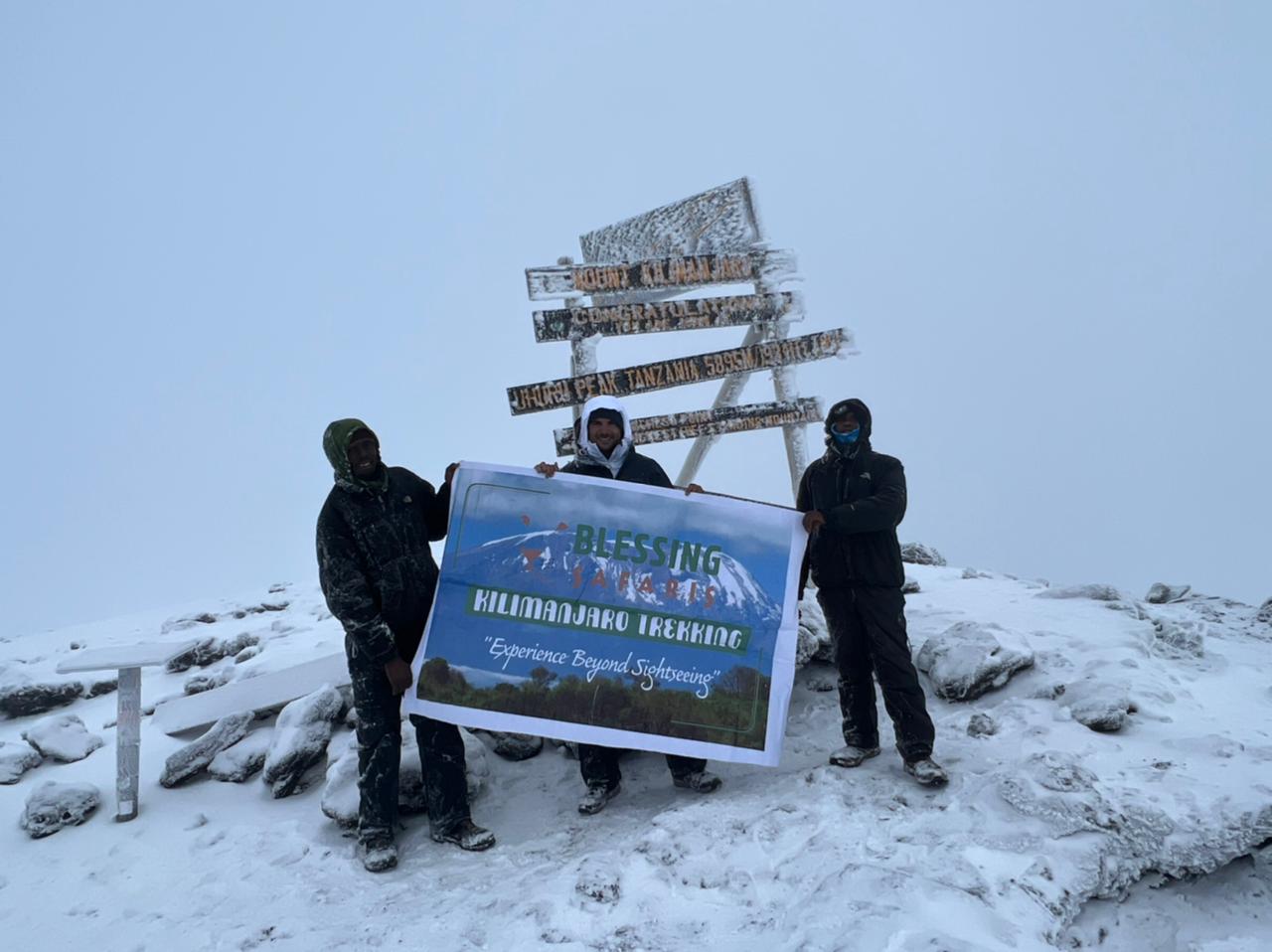
The Northern Circuit Route is the longest and most scenic path up Mount Kilimanjaro, offering trekkers a combination of stunning views, solitude, and a high chance of summit success. As the newest route, it circles the peak from the less-traveled northern slopes and provides panoramic vistas unmatched by other routes.
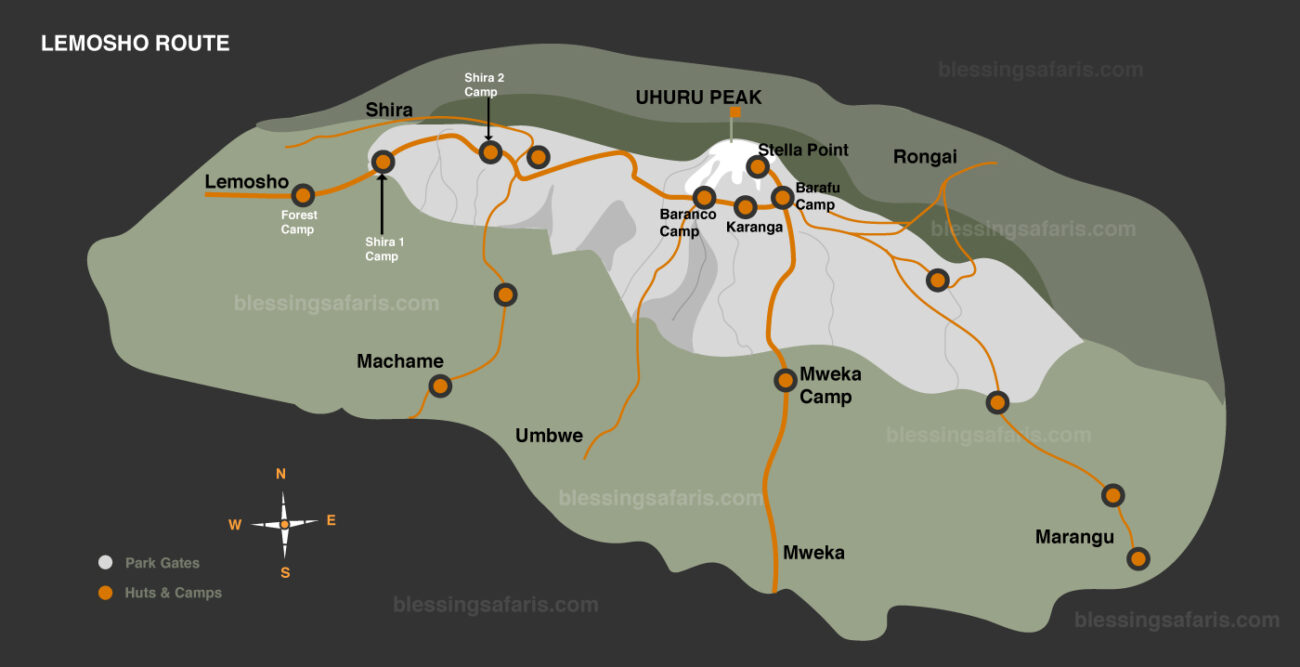
We offer an eight-day Lemosho route experience to Mount Kilimanjaro. The Lemosho route is very scenic and designed for an eight (8)- day climb, but a seven (7)- day climb is also possible. Climbers from the Lemosho route meet up with the climbers from the Machame route at the junction near the Lava Tower.
We offer a seven-day Machame route experience to Mount Kilimanjaro. Machame Route is also known as the “Whiskey Route”.
It is a more difficult route compared to the Marangu route. The Machame route only offers camping accommodations suitable for camping lovers.