Gilman’s Point, Kilimanjaro
Gilman’s Point is one of Mount Kilimanjaro’s three official summit points, located at 5,681 meters (18,885 feet) on the eastern rim of Kibo Crater. This prominent location offers climbers their first views into the mountain’s volcanic crater. For many, reaching Gilman’s Point marks the end of the most challenging part of the ascent and the beginning of the climb’s rewards.
Gilman’s Point is especially important for climbers on the Marangu, Rongai, and Northern Circuit routes, as it serves as the gateway to the crater rim and the final stage toward Uhuru Peak. The ascent begins at Kibo Huts around midnight and is considered the most difficult part of the climb. Climbers face steep scree slopes, altitude sickness, fatigue, and cold, making this section the defining challenge of the expedition. Reaching Gilman’s Point is a notable achievement.
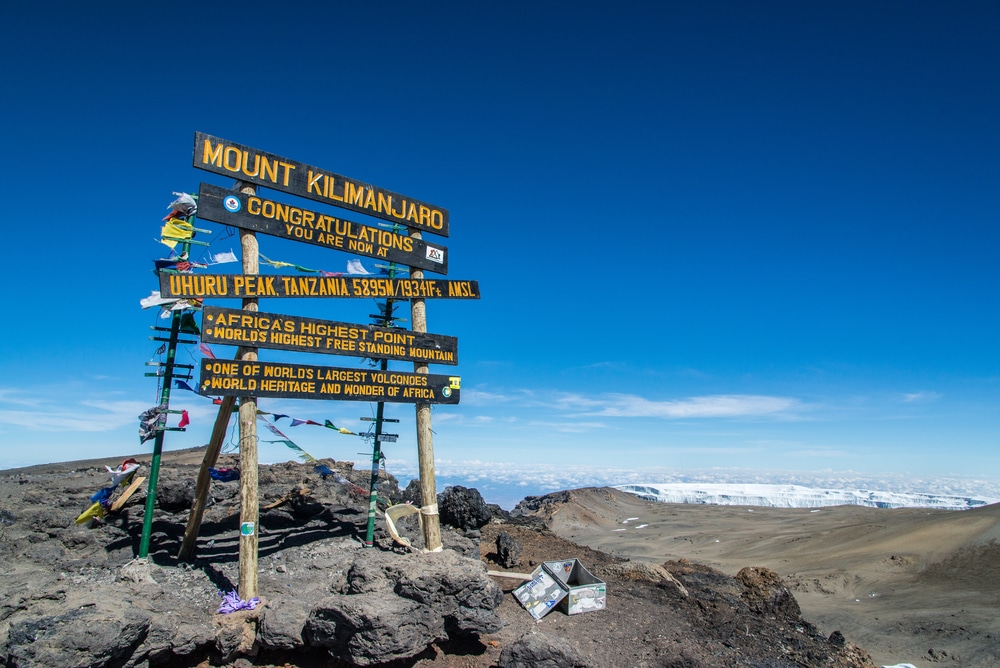
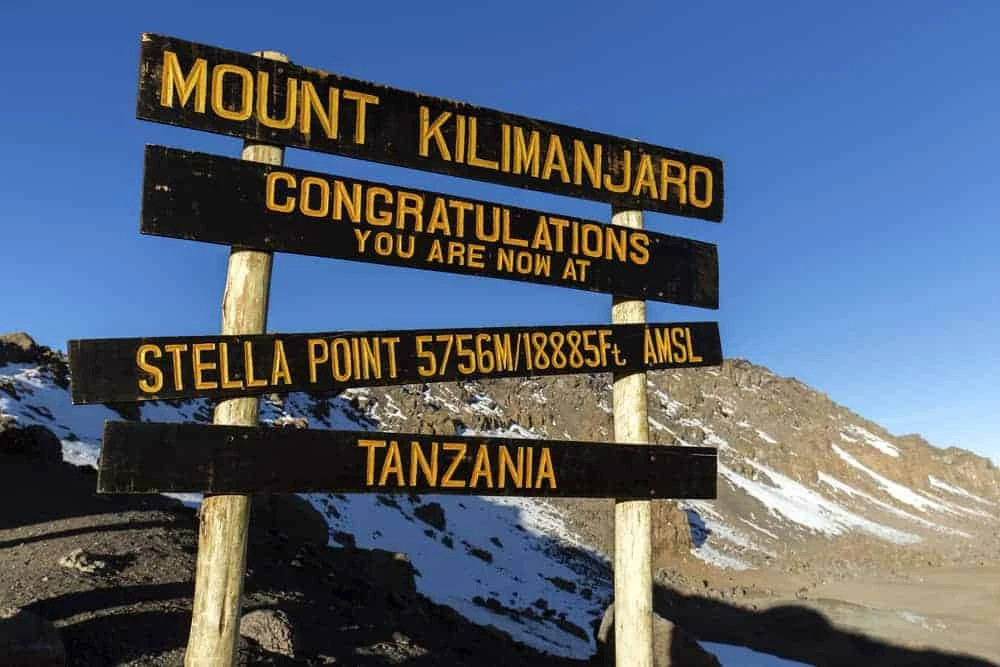
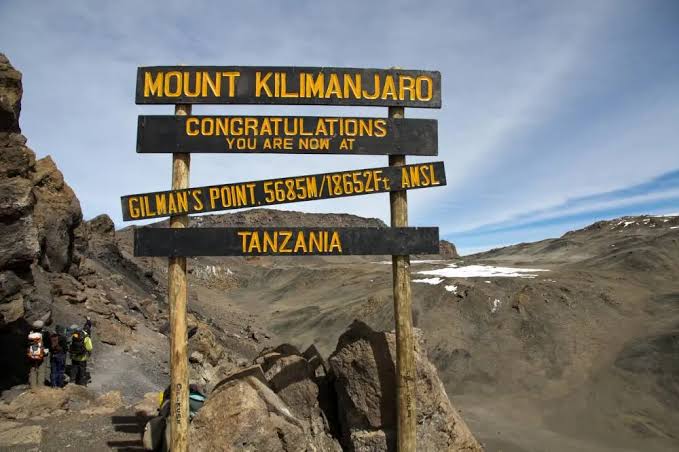
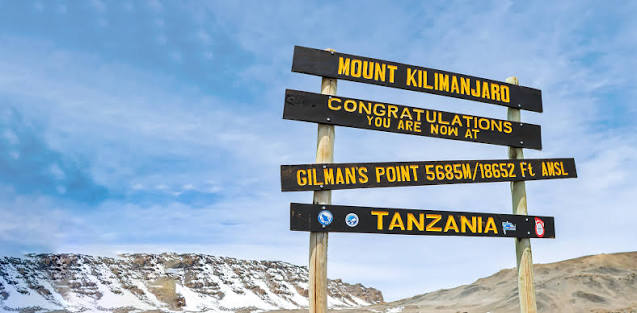
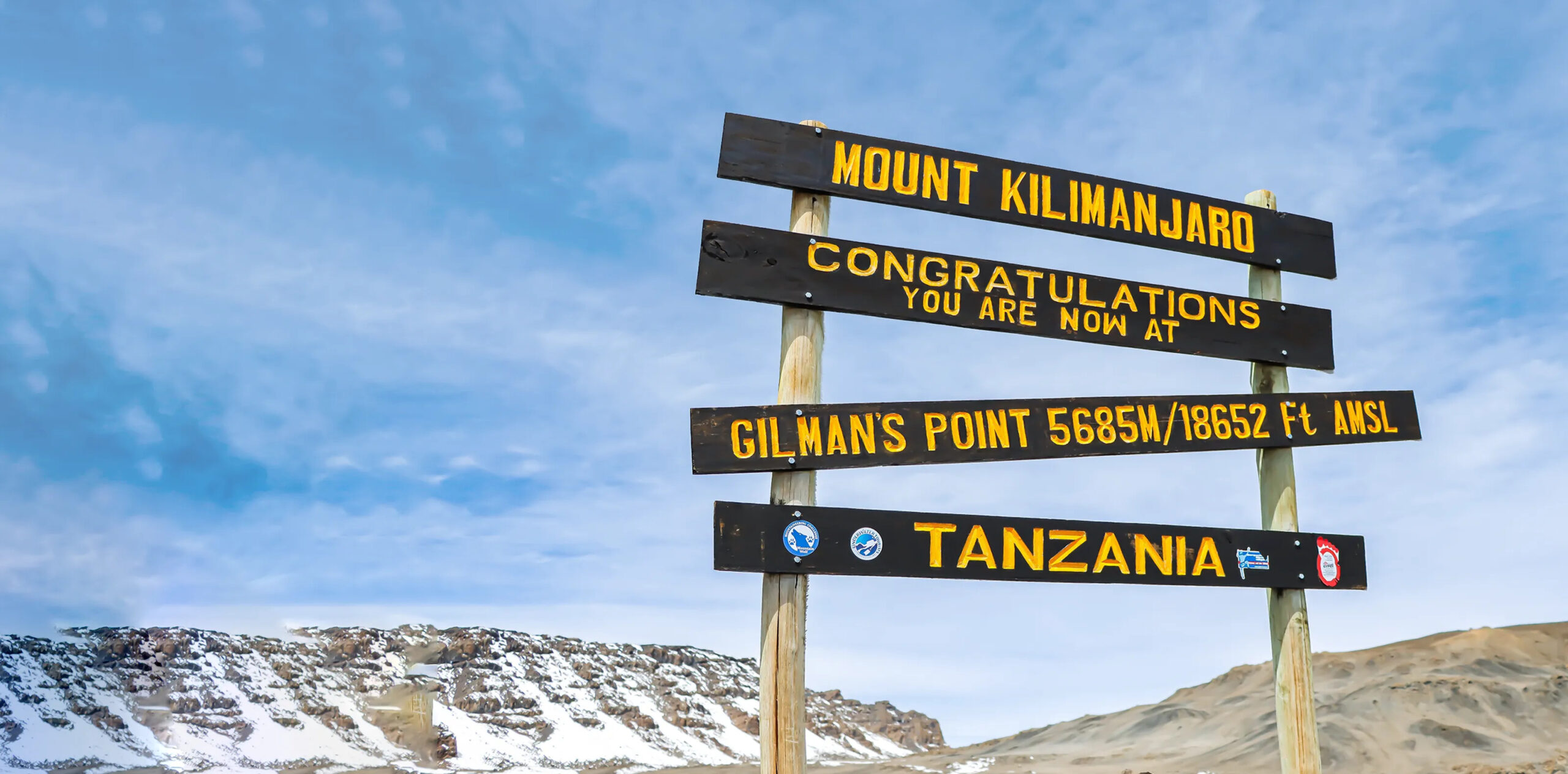
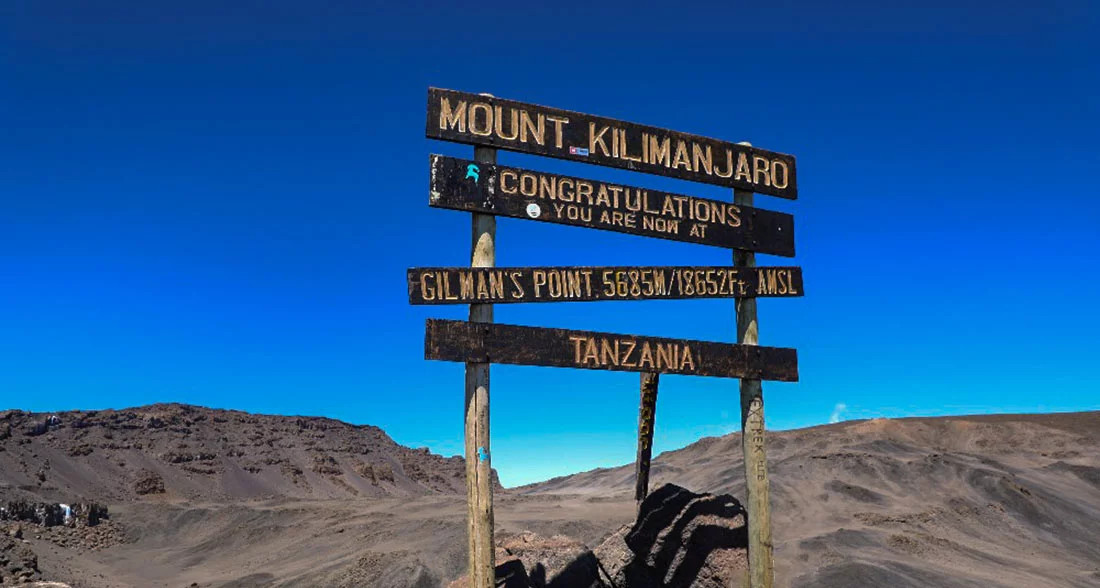
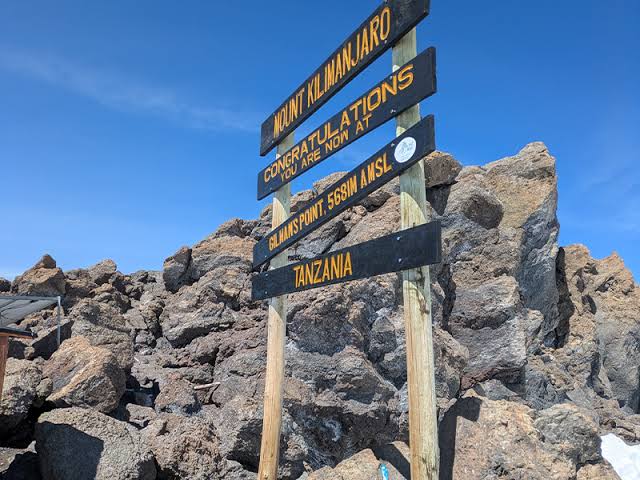
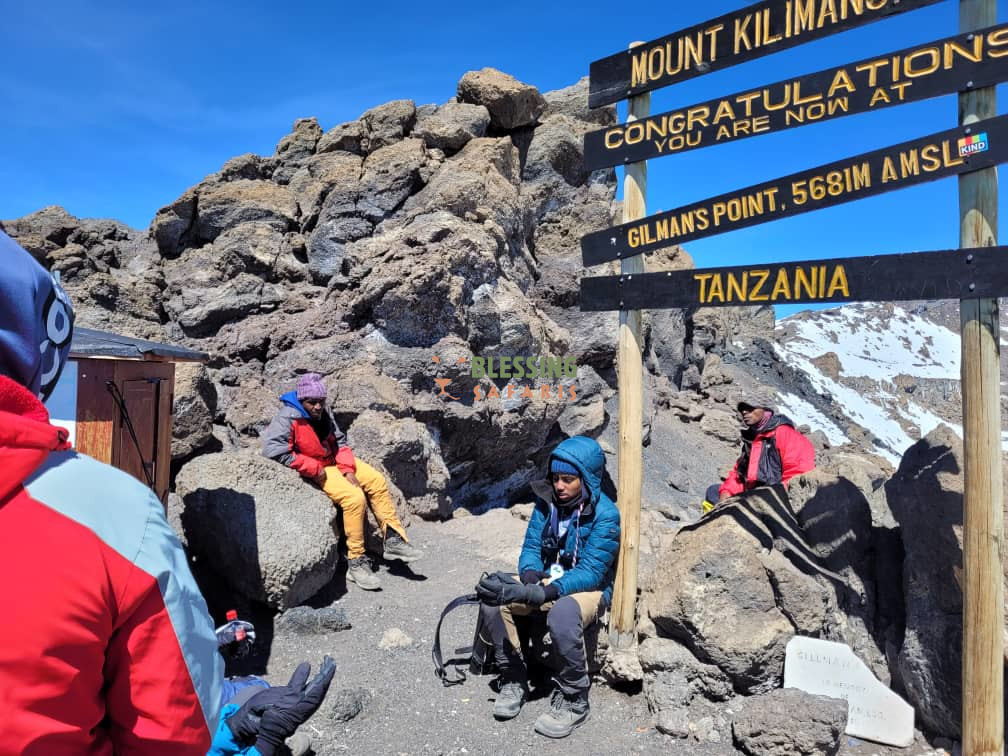
Gilman’s Point is officially recognized as a summit. While Uhuru Peak is the highest point in Africa at 5,895 meters, climbers who reach Gilman’s Point receive the official Kilimanjaro climbing certificate. This recognition honors the effort required to reach this elevation and allows climbers to claim they have scaled Africa’s highest mountain, even if they do not continue to Uhuru Peak. The signpost at Gilman’s Point marks this achievement.
In addition to being a milestone, Gilman’s Point offers climbers their first panoramic views of Kibo’s crater. From the rim, trekkers can see the expansive crater below, offering a dramatic perspective after the challenging ascent. The trail from Gilman’s Point to Stella Point is less demanding, giving climbers a brief respite before the final approach to Uhuru Peak
Location of Gilman’s Point
Geographic Position
Gilman’s Point is located on the eastern side of Kibo’s crater rim and is one of Kilimanjaro’s three high peaks. Its position makes it the main access point to the crater rim for climbers on the Marangu, Rongai, and Northern Circuit routes. The point is visible from Kibo Huts and serves as a clear goal for climbers during their midnight ascent.
Relationship to Other Summit Points
Gilman’s Point is one of three official summit points on Mount Kilimanjaro:
- Gilman’s Point (5,681 meters / 18,885 feet): The eastern crater rim point
- Stella Point (5,756 meters / 18,885 feet): The southern crater rim point
- Uhuru Peak (5,895 meters / 19,341 feet): The highest point, the ultimate goal
From Gilman’s Point, the trail continues along the crater rim to the west, passing Stella Point before reaching Uhuru Peak. This section is easier than the ascent from Kibo Huts and allows climbers to recover before the final summit push.
Views from the Point
From Gilman’s Point, climbers are treated to:
- The Kibo Crater: The vast, open crater at the top of the Kibo cone
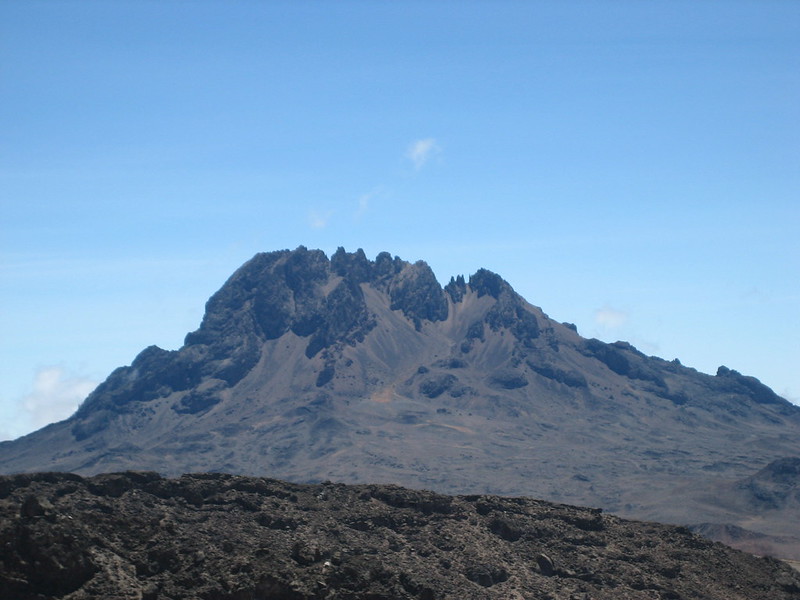
- Mawenzi Peak: The jagged second-highest peak visible to the east
- The plains below: Expansive views stretching across Tanzania and into Kenya
- The crater rim: The trail that leads to Stella Point and Uhuru Peak
How to get to Gilman’s Point
The Midnight Start
The trek to Gilman’s Point starts at midnight from Kibo Huts, at an elevation of about 4,703 meters (15,430 feet). Climbers are given a light meal and hot tea before beginning the ascent in darkness. The procession of headlamps up the slopes has become an iconic image of Kilimanjaro’s summit night.
The Scree Slope Ascent
The steep scree slopes leading to the crater rim are the most challenging part of the climb. Loose volcanic rock makes progress difficult, and the combination of altitude, darkness, fatigue, and cold tests every climber’s determination.
Altitude and Fatigue
At this elevation, oxygen levels are about 50% of those at sea level. Many climbers experience altitude sickness, including headaches, nausea, dizziness, and shortness of breath, which further complicates the climb. Fatigue is also common after several days of trekking.
Arrival at Gilman’s Point
Reaching Gilman’s Point is a moment of relief and accomplishment. It marks the end of the scree slopes and the start of the crater rim, symbolized by the signpost placed by park authorities.
Getting from Gilman’s Point to Uhuru Peak
Distance and Duration
The distance from Gilman’s Point to Uhuru Peak is about 5.5 kilometers (3.5 miles) along the crater rim, with an altitude gain of over 200 meters. This section usually takes 5 to 6 hours and is easier to manage than the scree slope ascent, though altitude remains a challenge.
The Route Along the Crater Rim
From Gilman’s Point, the trail continues along the crater rim to Stella Point and then to Uhuru Peak. The path is more stable and less demanding, with impressive views of the crater and surrounding landscape.
The Decision to Continue
Some climbers end their trek at Gilman’s Point due to altitude sickness or fatigue, even though the route to Uhuru Peak is less demanding. Continuing to Uhuru Peak is the ultimate achievement, but reaching Gilman’s Point is still a significant accomplishment.
Gilman’s Point Vegetation and Weather
The Arctic Zone
Gilman’s Point is in the Arctic Zone, the highest and most extreme of Kilimanjaro’s five climatic zones. This area receives no rainfall, supports no vegetation or wildlife, and is dominated by ice, snow, and volcanic rock, creating a stark environment.
Weather Conditions
The weather at Gilman’s Point is severe, with temperatures often well below freezing and strong wind chills. Climbers must be well-prepared with appropriate clothing and gear. Despite the harsh conditions, the views are exceptional.
The Lack of Vegetation
The Arctic zone has no vegetation due to extreme cold, lack of precipitation, and thin air. The barren landscape highlights the harsh conditions climbers must overcome.
Gilman’s Point or Uhuru Peak: Which Should You Aim For?
The Three Summit Points
Gilman’s Point is one of Mount Kilimanjaro’s three summit points, along with Stella Point and Uhuru Peak. Climbers who reach any of these points receive the official Kilimanjaro climbing certificate, acknowledging their achievement of reaching the summit zone of Africa’s highest peak.
The Case for Gilman’s Point
Reaching Gilman’s Point is a significant achievement. It marks the end of the most difficult part of the ascent, and the views from the crater rim are impressive. Climbers who reach this point have overcome considerable challenges and can claim to have scaled Africa’s highest mountain.
The Case for Uhuru Peak
For those able to continue, reaching Uhuru Peak is the ultimate achievement. As the highest point in Africa, it is the goal of most climbers, offering an unmatched sense of accomplishment and unforgettable views.
Both Are Worthwhile Milestones
Both Gilman’s Point and Uhuru Peak are important milestones in the Kilimanjaro trek. The journey is about overcoming challenges, building friendships, and personal growth, not just reaching the summit.
Frequently Asked Questions About Gilman’s Point
What Is Gilman’s Point on Mount Kilimanjaro?
Gilman’s Point is one of three official summit points on Mount Kilimanjaro, located at 5,681 meters (18,885 feet) on the eastern rim of Kibo Crater. It serves as the primary access point to the crater rim for climbers on the Marangu, Rongai, and Northern Circuit routes.
Where Is Gilman’s Point Located?
Gilman’s Point is situated on the eastern side of Kibo’s crater rim and is one of the three high peaks of Mount Kilimanjaro. It is clearly visible from the Kibo Huts campsite below, serving as a beacon for climbers making their midnight ascent.
What Is the Elevation of Gilman’s Point?
Gilman’s Point stands at 5,681 meters (18,885 feet) above sea level. This makes it the lowest of the three official summit points on Mount Kilimanjaro, following Stella Point (5,756 meters) and Uhuru Peak (5,895 meters).
How Do Climbers Reach Gilman’s Point?
Climbers reach Gilman’s Point by ascending through the steep scree slopes from the Kibo Huts campsite, typically starting around midnight. The ascent is widely regarded as the toughest section of the route due to the altitude, loose terrain, and challenging conditions.
Do You Get a Certificate for Reaching Gilman’s Point?
Yes. Climbers who reach Gilman’s Point receive the official Kilimanjaro climbing certificate, acknowledging their achievement of reaching one of the mountain’s three summit points. This allows climbers to rightfully claim that they have scaled Africa’s greatest mountain.
How Far Is Gilman’s Point from Uhuru Peak?
The distance from Gilman’s Point to Uhuru Peak is approximately 5.5 kilometers (3.5 miles) along the crater rim, typically taking 5 to 6 hours on foot. The terrain along this section is considerably easier than the scree slope ascent.
Is It Worth Continuing to Uhuru Peak from Gilman’s Point?
For climbers who have the energy and resolve, continuing to Uhuru Peak is worthwhile. The journey along the crater rim is easier than the ascent of the scree slope, and reaching Uhuru Peak offers the ultimate sense of achievement. However, reaching Gilman’s Point is a significant milestone in itself.
What Can I See from Gilman’s Point?
From Gilman’s Point, climbers enjoy views of the open crater at the top of the Kibo cone, Mawenzi Peak, the surrounding plains, and the crater rim trail leading to Stella Point and Uhuru Peak. The views are spectacular and convey the mountain’s scale.
What Is the Weather Like at Gilman’s Point?
Gilman’s Point lies in the Arctic zone of Mount Kilimanjaro, characterized by extreme cold, strong winds, and little precipitation. Temperatures often drop well below freezing, and climbers must be prepared for harsh conditions.
What Is the Vegetation at Gilman’s Point?
There is no vegetation at Gilman’s Point. The Arctic zone receives no rainfall and cannot support plant or animal life. The landscape is dominated by ice, snow, and volcanic rock.
Which Routes Pass Through Gilman’s Point?
The Marangu Route, Rongai Route, and Northern Circuit Route all pass through Gilman’s Point on summit day. These routes approach the crater rim from the eastern side, making Gilman’s Point the primary access point.
Why Is It Called Gilman’s Point?
Gilman’s Point is named after a colonial-era official, though the exact origins of the name are not widely documented. It has been known by this name for many years and remains one of Kilimanjaro’s most recognized features.
Is Gilman’s Point the Same as Stella’s Point?
No. Gilman’s Point is located on the eastern crater rim, while Stella Point is on the southern crater rim. They are approximately 2.5 kilometers apart along the crater rim trail, with Uhuru Peak located between and beyond them.
What Is the Significance of Gilman’s Point?
Gilman’s Point marks the end of the scree slopes and the beginning of the crater rim, a transition that brings climbers closer to their ultimate goal. It is also one of the three official summit points, making it a significant milestone in the Kilimanjaro climbing experience.
Plan Your Kilimanjaro Trip Today
Gilman’s Point is a major milestone on the journey to Africa’s highest peak, offering climbers their first view of Kibo’s volcanic crater. Whether you stop here or continue to Uhuru Peak, the experience is memorable.
Our team creates personalized Kilimanjaro itineraries that include Gilman’s Point and other key features. We offer experienced guides, quality equipment, and full support throughout your climb.
Contact us to discuss your Kilimanjaro climb and experience Africa’s highest peak. The crater rim awaits; we are ready to help you reach it.
. BOOK YOUR CLMB NOW
Gilman’s Point Kilimanjaro Photos
You May Also Like