Uhuru Peak KILIMANJARO
Uhuru Peak is the highest point on Mount Kilimanjaro and in Africa, reaching 5,895 meters (19,341 feet) above sea level. It stands on Kibo, the tallest of Kilimanjaro’s three volcanic cones, with Mawenzi (5,149 meters) and Shira (3,962 meters) nearby. The name “Uhuru” means “freedom” in Swahili and highlights the summit’s importance as a major achievement for climbers everywhere.
Uhuru Peak sits on the crater rim of Kibo in the arctic zone. Reaching it means trekking for days through different landscapes, from rainforests to alpine deserts and finally to the icy summit. The peak is famous for its striking ice fields, stunning views, and the strong sense of achievement that comes from standing at Africa’s highest point. For many, reaching Uhuru Peak is a lifelong dream and a personal milestone.
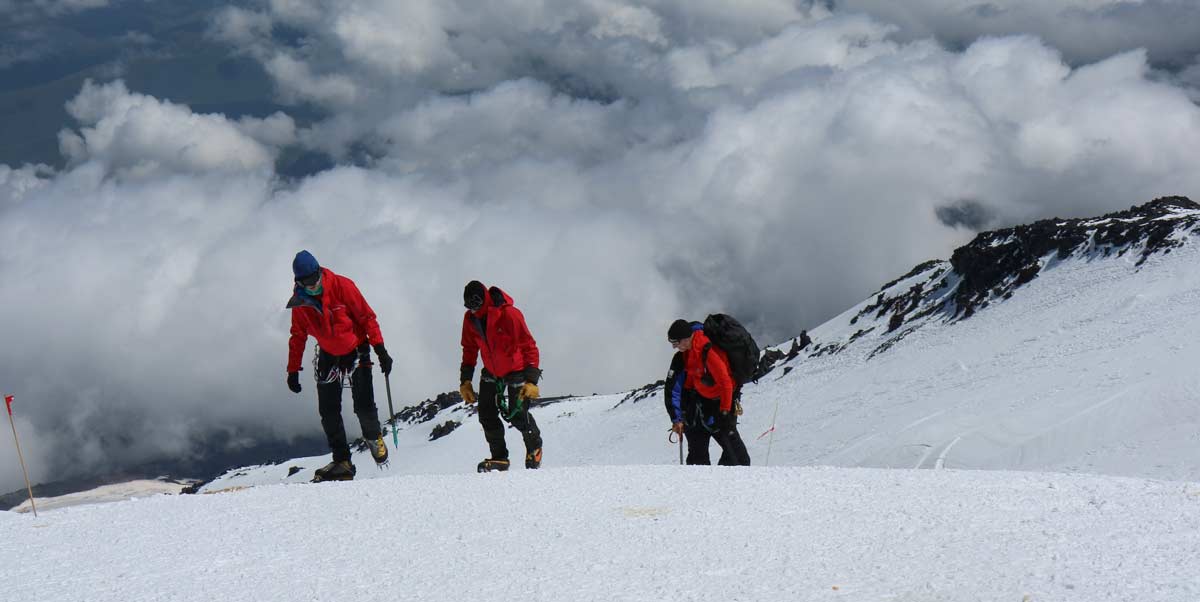
Climbing Uhuru Peak does not require technical mountaineering skills or specialized equipment like ropes or ice axes. However, extreme conditions with temperatures ranging from -7°C to -29°C (20°F to -20°F), powerful winds, and thin air make thorough preparation essential. Prospective climbers are encouraged to undertake several weeks of physical training focusing on cardiovascular endurance, leg strength, and hiking on uneven terrain.
It is recommended to be in good overall fitness and, if possible, to complete multi-day hikes at altitude before attempting the climb. Key gear includes warm, layered clothing, a high-quality insulated jacket, waterproof outerwear, sturdy hiking boots, gloves, a warm hat, and a reliable headlamp.
Proper acclimatization, careful planning, and bringing the right equipment are vital for a safe and successful ascent. The summit is accessible via several routes, each offering unique challenges and rewards, making Kilimanjaro one of the world’s most accessible high-altitude treks.
Uhuru Peak Elevation and Location
Altitude and Geographic Position
Uhuru Peak sits at 5,895 meters (19,341 feet) above sea level, making it the highest point in Africa and the highest freestanding mountain in the world. This elevation places it firmly in the arctic zone, where extreme conditions prevail year-round. The peak is located on Kibo’s crater rim, the largest and youngest of Kilimanjaro’s three volcanic cones, which dominates the mountain’s summit.
The Tanzania National Parks Authority (TANAPA) and UNESCO recognize this elevation, based on a British survey conducted in 1952 that established the official height of Uhuru Peak. Modern GPS measurements have confirmed these figures, cementing Uhuru Peak’s status as Africa’s highest summit.
The Volcanic Cones of Kilimanjaro
Mount Kilimanjaro is a volcanic massif composed of three distinct cones:
- Kibo (5,895 meters): The highest and youngest cone, topped by Uhuru Peak. Kibo is dormant and could potentially erupt in the future.
- Mawenzi (5,149 meters): The second-highest cone, featuring dramatic jagged peaks that are a prominent landmark on the eastern side of the mountain.
- Shira (3,962 meters): The oldest cone, now collapsed into a broad plateau that climbers cross on western approaches.
Notable Summit Points on Kilimanjaro
In addition to Uhuru Peak, Kilimanjaro has other recognized summit points:
- Stella Point (5,756 meters): Located on the crater rim, reached by climbers on the Machame, Lemosho, and Umbwe routes.
- Gilman’s Point (5,685 meters): The first crater rim point reached on the Marangu and Rongai routes
Climbers reaching any of these points receive official Kilimanjaro summit certificates, with Uhuru Peak representing the ultimate goal.
The History of Uhuru Peak
Colonial Era: Kaiser Wilhelm Peak
Until three years after Tanzania gained independence, Uhuru Peak was known as Kaiser Wilhelm Peak, named by German explorer Hans Meyer during German colonial rule. On October 6, 1889, Meyer and his comrade, Austrian alpinist Ludwig Purtscheller, made the first documented ascent of the summit.
Meyer officially took possession of the summit for the German Emperor: “I planted a small German flag in my rucksack on the weather-beaten lava summit, cheering three times loudly with Mr. Purtscheller and shouting rejoicing: With the right of the first bidder, I baptize this hitherto unknown, nameless peak of the Kibo, the highest point on African and German soil, with the name: Kaiser-Wilhelm-Spitze.”
A piece of lava rock from the summit was sent to Wilhelm II. The peak remained known as Kaiser Wilhelm Peak through German colonial rule and into the British administration.
Independence and Renaming ( 1961)
The name “Uhuru” holds profound historical significance. “Uhuru” is the Swahili word for “freedom,” and the peak was renamed to commemorate Tanzania’s independence from British colonial rule.
On the eve of December 8, 1961, Brigadier Alexander Nyirenda (then an army officer) was tasked with raising the Uhuru torch and Tanzania’s national flag atop Mount Kilimanjaro to celebrate independence. Simultaneously, as the Tanzanian flag was being hoisted at Uhuru Peak, the Union Day flag (1964) (then the flag of Tanganyika) was being lowered at the national stadium, signaling change in the new Tanzania.
The peak was officially renamed from Kaiser Wilhelm Peak to Uhuru Peak in 1964, three years after independence. In place of the flag and torch that were placed on Uhuru Peak in 1961, a signpost now stands there, marking the achievement of freedom and the peak’s new identity.
The Iconic Uhuru Peak Signpost
The Summit Sign
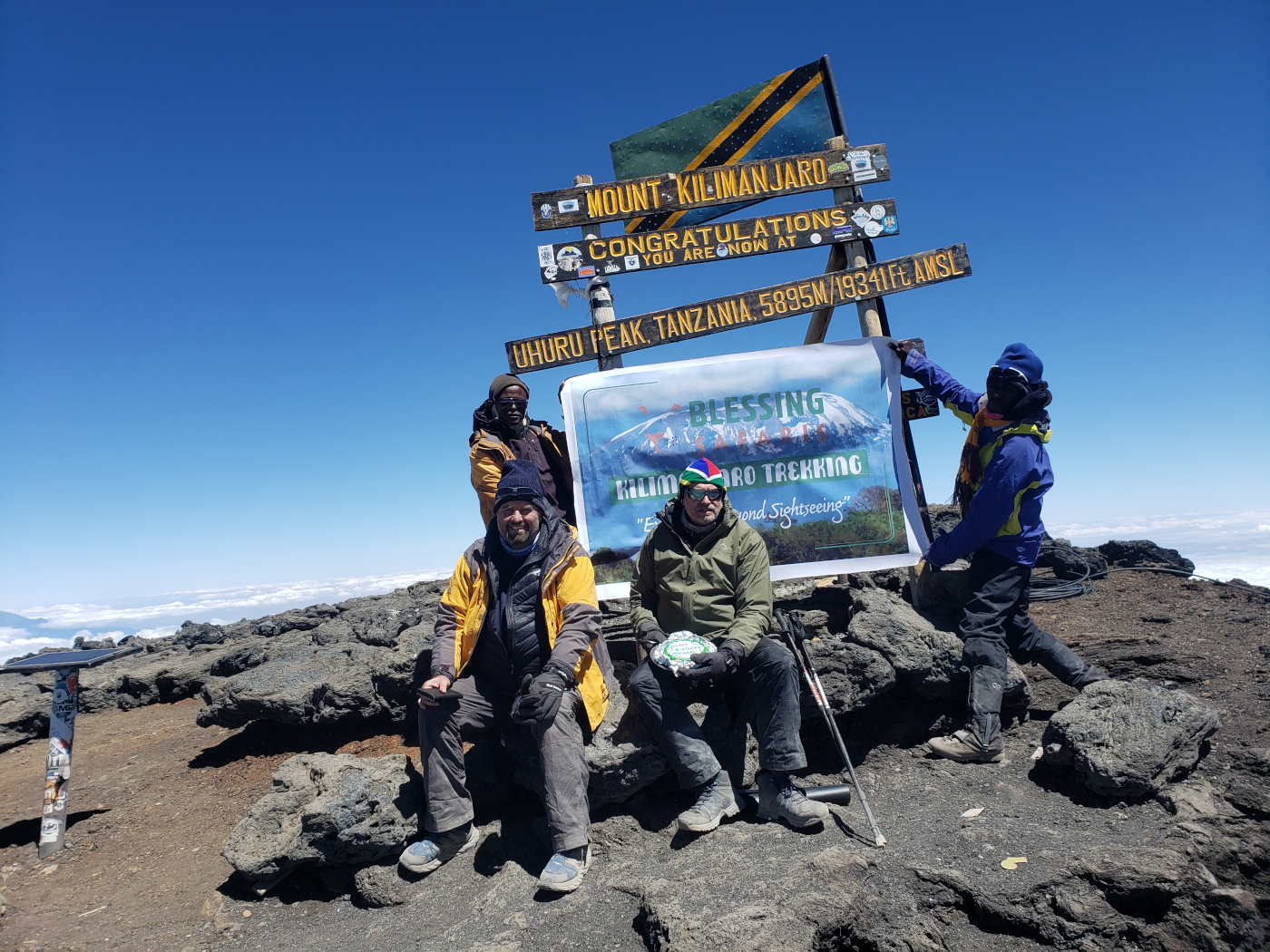
The wooden sign at Uhuru Peak has become one of the most iconic symbols of achievement in the climbing world. It reads: “Congratulations, you are now at Uhuru Peak at 5,895 m.” This simple message represents the culmination of days of effort, the realization of a dream, and the highest point on the African continent.
Climbers usually gather around the sign for victory photos, often celebrating with flags and banners. The sign has seen many emotional moments, from tears of joy and cheers to quiet reflection on the journey to the top.
The Summit Book
Next to the Uhuru Peak sign, there is a book in a wooden box where visitors can write about their experiences at the summit. This tradition allows climbers to leave a lasting record of their achievements and share messages of inspiration, gratitude, and reflection with future climbers. Reading entries from those who reached the summit years before adds a special touch to the experience.
How to Climb Uhuru Peak
Physical and Mental Preparation
Climbing Uhuru Peak requires both physical fitness and mental determination. To prepare, climbers should follow a structured training plan for 8 to 12 weeks before the trek. Aim to achieve the ability to walk or hike for 6 to 8 hours at a time on varied, uneven terrain while carrying a daypack. A sample weekly plan might include 3 to 4 cardio sessions (such as running, brisk walking, or cycling), 2 strength-training sessions focusing on the legs and core, plus 1 or 2 long hikes to build stamina. As a minimum benchmark, being able to complete a full-day hike of over 10 miles with moderate ascent is recommended. Key preparation elements include:
- Physical fitness: Good cardiovascular endurance, leg strength, and stamina are essential
- Mental preparation: Understanding the challenges ahead and maintaining a positive attitude
- Acclimatization: Following proper acclimatization practices is crucial for summit success
- Hydration and nutrition: Staying hydrated and maintaining a nutritious diet throughout the climb
The Summit Night Experience
Most climbers start for Uhuru Peak around midnight from the summit camp, aiming to reach the top at sunrise. This final climb is the hardest part of the Kilimanjaro trek, taking 6 to 8 hours of steady walking in the dark and cold.
Most climbers spend just 15 to 30 minutes at the summit, taking photos and resting briefly before starting the long journey down. The early-morning cold makes the start of the two-day descent feel welcome, and many are eager to get back to warmer areas.
Non-Technical Climbing
A big advantage of climbing Uhuru Peak is that you don’t need technical mountaineering skills. There’s no need for ropes, ice axes, or special equipment. The trails are well-marked and, although steep, don’t involve rock climbing or glacier travel. This makes Kilimanjaro one of the most popular high-altitude treks in the world. Essential gear for your climb includes sturdy hiking boots, warm layered clothing, a high-quality insulated jacket, waterproof outerwear, gloves, a warm hat, and a reliable headlamp. Packing these must-have items helps ensure your safety and comfort during the summit attempt.
Still, the climb is tough. The high altitude, cold, and physical effort needed for summit night challenge even the fittest climbers. Good preparation and respect for the mountain are key to reaching the top safely.
Interesting Facts About Uhuru Peak
- Highest Point in Africa: At 5,895 meters, Uhuru Peak is the highest point on the African continent, surpassing Mount Kenya’s Batian Peak (5,199 meters)
- Equatorial Glacier: Despite being only 205 miles (330 km) from the equator, Uhuru Peak remains in an arctic climate zone, with glaciers and ice fields that have existed for thousands of years.
- Glacier Retreat: Kilimanjaro’s glaciers have shrunk by roughly 80% since 1912, making the opportunity to witness them increasingly precious.
- Dormant Volcano: Kibo, the cone topped by Uhuru Peak, is a dormant volcano that could potentially erupt in the future.
- No Death Zone: Unlike peaks above 8,000 meters, Uhuru Peak is below the “death zone,” though altitude sickness remains a significant risk.
- Summit Record: Professional athletes or experienced climbers may reach Uhuru Peak from the base in less than a day.
- Summit Book: A book enclosed in a wooden box near Uhuru Peak allows visitors to record their thoughts and experiences.
- Multiple Routes: Five of the eight distinct ascent routes to Uhuru Peak are commonly used by climbers.
- Temperature Range: Temperatures at the summit range from 20°F (-7°C) to -20°F (-29°C), depending on time of day and season.
- Atmospheric Pressure: At Uhuru Peak, the air contains approximately 50% of the oxygen available at sea level.
Uhuru Peak Weather and Climate
Extreme Summit Conditions
The summit zone of Mount Kilimanjaro experiences some of the most extreme conditions on the planet:
Temperature:
- Daytime: Can be surprisingly warm when the sun is out
- Nighttime: Often drops to -20°F (-29°C) or colder
- Average summit temperature: 20°F (-7°C) to -20°F (-29°C)
Wind:
- Strong winds are common at the summit.
- Wind chill can make conditions feel significantly colder.
Precipitation:
- Snow is possible year-round.
- Ice and frost are common on the summit surface.
Arctic Zone Characteristics
Uhuru Peak lies in the Arctic Zone, characterized by:
- No vegetation: Due to extreme cold, high winds, and lack of rainfall
- No animal life: The summit cannot support extended life
- Ice and snow: The area features expansive white snow and towering peaks
- Thin air: Oxygen levels are approximately 50% of sea level
Climbing Seasons
The best time to climb Uhuru Peak is during the dry months:
- January, February: Warm and dry conditions
- July, August, September: Stable weather, cooler temperatures
- October: Generally favorable conditions
The rainy seasons (April-May and November) present more challenging conditions with wet trails and limited visibility.
Routes to Uhuru Peak
Popular Routes
Several routes lead to Uhuru Peak, each with unique characteristics:
Machame Route (6-7 days): The most popular route, offering scenic diversity and good acclimatization
Lemosho Route (7-8 days): The most scenic route, crossing the Shira Plateau
Marangu Route (5-6 days): The “Coca-Cola Route” with hut accommodation
Rongai Route (6-7 days): The northern approach, offering solitude and drier conditions
Umbwe Route (5-6 days): The shortest and steepest, for experienced climbers only
Northern Circuit (8-9 days): The longest route with the highest success rate
Shira Route (6-7 days): Approaching from the west, merging with Lemosho
Western Breach: A special-permission route approaching from the west
Route Lengths to Uhuru Peak
The distance to Uhuru Peak varies significantly by route:
- Umbwe Route: Approximately 23 miles (37 kilometers) – shortest
- Machame Route: Approximately 37 miles (60 kilometers)
- Marangu Route: Approximately 50 miles (82 kilometers)
- Lemosho Route: Approximately 43 miles (71 kilometers)
- Rongai Route: Approximately 49 miles (79 kilometers)
- Northern Circuit: Approximately 56 miles (90 kilometers) – longest
Tips for Reaching Uhuru Peak
- Acclimatize properly: Follow the “climb high, sleep low” principle.
- Stay hydrated: Drink water regularly, even if not thirsty.
- Eat adequately: Maintain nutrition despite reduced appetite at altitude.
- Pace yourself: Walk slowly and steadily—”pole-pole”
- Listen to your guide: Guides have extensive experience with summit conditions.
- Layer clothing: Use multiple layers to adapt to changing conditions
- Prepare for cold: Bring gear suitable for temperatures below -20°F (-29°C)
- Mental preparation: Stay positive and focused on the goal
- Take medication if needed: Discuss altitude medication with your doctor.
- Be aware of the risks of altitude sickness, which can affect climbers above 2,500 meters. Symptoms include headache, nausea, dizziness, loss of appetite, fatigue, and difficulty sleeping. More severe forms, such as High Altitude Pulmonary Edema (HAPE) and High Altitude Cerebral Edema (HACE), are rare but serious and may present with shortness of breath at rest, confusion, or loss of coordination. If you or anyone in your group experiences severe symptoms, it is essential to alert your guide immediately. Standard emergency procedure includes immediate descent to lower elevation and, when needed, supplemental oxygen or evacuation. Guides are trained to recognize and respond to altitude-related emergencies to help ensure your safety during the climb.
- Celebrate responsibly: Enjoy the achievement but prepare for the long descent.
Frequently Asked Questions About Uhuru Peak
What Is Uhuru Peak?
Uhuru Peak is the highest point on Mount Kilimanjaro and the African continent, located on Kibo’s crater rim at 5,895 meters (19,341 feet) above sea level. The name “Uhuru” means “freedom” in Swahili.
How Tall Is Uhuru Peak?
Uhuru Peak stands at 5,895 meters (19,341 feet) above sea level, making it the highest point in Africa and the highest freestanding mountain in the world.
How Long Does It Take to Reach Uhuru Peak?
The time to reach Uhuru Peak varies by route, typically 5 to 9 days. The shortest route (Umbwe) takes 5-6 days, while the longest (Northern Circuit) takes 8-9 days.
Which Routes Lead to Uhuru Peak?
Eight routes lead to Uhuru Peak: Marangu, Machame, Lemosho, Rongai, Umbwe, Shira, Northern Circuit, and Western Breach (special permit). The Marangu and Rongai are considered easiest, while Machame, Shira, and Lemosho offer more scenic experiences.
Do I Need Supplemental Oxygen for Uhuru Peak?
No. Supplemental oxygen is not required for Uhuru Peak if you follow proper acclimatization practices. The mountain is below the “death zone” at 8,000 meters.
Is Uhuru Peak Technically Difficult?
No. Climbing Uhuru Peak does not require technical mountaineering skills. The routes follow established trails with no rope or ice axe requirements. The main challenges are altitude, weather, and physical endurance.
What Is the Weather Like at Uhuru Peak?
The summit experiences arctic conditions with temperatures ranging from 20°F (-7°C) to -20°F (-29°C). Strong winds and the possibility of snow are common year-round.
How Long Do Climbers Spend at Uhuru Peak?
Most climbers spend 15 to 30 minutes at the summit for photos and a brief rest. Longer stays are not recommended due to cold temperatures and thin air.
What Is the Uhuru Peak Sign?
The summit sign reads: “Congratulations, you are now at Uhuru Peak at 5,895 m.” It has become an iconic symbol of achievement for Kilimanjaro climbers.
Why Is It Called Uhuru Peak?
The name “Uhuru” means “freedom” in Swahili, commemorating Tanzania’s independence from British colonial rule in 1961. The peak was previously known as Kaiser Wilhelm Peak.
Conclusion
Uhuru Peak represents more than just the highest point in Africa—it symbolizes human endurance, the spirit of adventure, and the pursuit of dreams. For thousands of climbers each year, standing on this summit is the culmination of months of preparation, days of effort, and a lifetime of aspiration.
The peak’s name, meaning “freedom,” carries profound significance—not only in Tanzania’s history but in the personal liberation that climbing represents for so many. Whether overcoming personal challenges, celebrating achievements, or simply answering the call of adventure, those who reach Uhuru Peak experience a moment of profound connection with themselves, with nature, and with the mountain.
As Kilimanjaro’s glaciers shrink and the landscape changes, the chance to stand on Uhuru Peak becomes even more special. The peak stands as a symbol of Africa’s beauty and a reminder of what people can achieve.
Plan Your Kilimanjaro Climb Today
Reaching Uhuru Peak is an unforgettable experience. Our team creates custom Kilimanjaro trips that focus on your safety, comfort, and success. We offer experienced guides, reliable equipment, and full support every step of the way.
To book your Kilimanjaro trek, simply contact us with your preferred dates and route, and our team will guide you through every step. All climbers must obtain a Kilimanjaro climbing permit, which is included in our packages and arranged on your behalf.
Our services also cover national park fees, camping or hut accommodations (depending on route), meals, porter support, and group equipment. You will receive a full packing list and detailed instructions to help you prepare with confidence.
Get in touch to talk about your Kilimanjaro climb, plan your trip, or add a Tanzanian safari to your adventure. Africa’s highest point is waiting, and we’re here to help you reach Uhuru Peak. BOOK YOUR TRIP
Mount Kilimanjaro Climb Packages
From$1,650
7 Days , 6 Nights
5 Days Marangu Route
Mt. Kilimanjaro