Stella Point KILIMANJARO
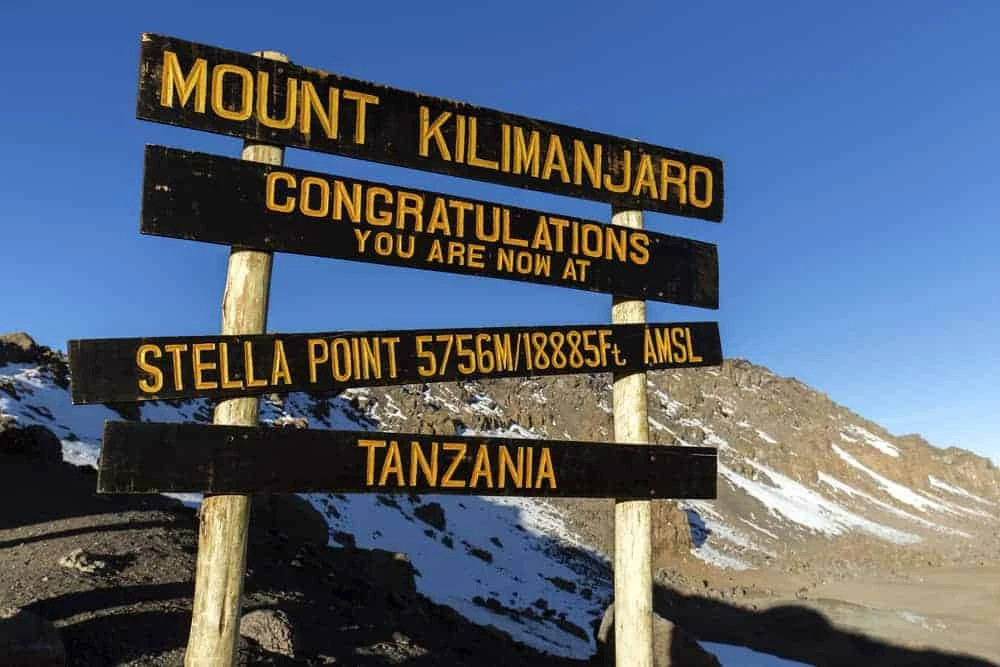
Stella Point is one of three official summit points on Mount Kilimanjaro, marking a key milestone for climbers. At 5,756 meters (18,885 feet), it is reached after the demanding midnight ascent from Barafu Camp and provides the first views into the mountain’s volcanic crater.
For many climbers, reaching Stella Point is a significant achievement, marking the first time they stand on Kilimanjaro’s summit ridge. The location offers impressive views of the glaciers and crater below. From Stella Point, the final ascent to Uhuru Peak is less steep than the previous section.
Stella Point is the main access to the crater rim for climbers on the Machame, Lemosho, Umbwe, and Shira Routes. Most climbers also pass through it during their descent. The prominent sign installed by Kilimanjaro National Park Authorities (KINAPA) marks the spot and offers a popular photo opportunity.
Whether you are planning a Kilimanjaro expedition or considering the climb, understanding Stella Point’s role highlights the significance of this accomplishment.
Stella Point Kilimanjaro Location and Significance
Geographic Position
Stella Point is situated on the crater rim of Kibo, the highest of Kilimanjaro’s three volcanic cones. Its position at the edge of the caldera offers climbers their first view into the mountain’s volcanic heart, with the ash pit and glaciers visible below.
Stella Point is about 139 meters (456 feet) below Uhuru Peak, the mountain’s highest point. Although the remaining elevation gain is small, the altitude makes this final section challenging and tests climbers’ determination after the ascent from Barafu Camp.
Stella Point Kilimanjaro on Map
Significance for Climbers
Reaching Stella Point represents a major achievement for several reasons:
- It marks the successful completion of the most challenging section of the climb from Barafu Camp.
- Climbers receive an official Kilimanjaro climbing certificate for reaching this elevation.
- It provides the first opportunity to view the crater and glaciers from the rim.
- The point offers a natural rest stop before the final push to Uhuru Peak.
- Sunrise views from Stella Point are among the most spectacular on the mountain.
For climbers facing fatigue or altitude sickness, Stella Point is often a decision point. Some choose to celebrate their achievement here and descend, while others continue to Uhuru Peak. Both choices are significant accomplishments.
Official Recognition
Kilimanjaro National Park authorities recognize Stella Point as one of three official summit points, alongside Gilman’s Point (5,685 meters) and Uhuru Peak (5,895 meters). Climbers reaching any of these points receive the official Kilimanjaro climbing certificate, acknowledging their achievement of reaching the mountain’s summit zone.
This recognition allows climbers who reach Stella Point to claim they have summited Kilimanjaro, even if they do not continue to Uhuru Peak. This is especially important for those affected by altitude who still seek official acknowledgment.
Routes That Reach Stella Point
Machame Route
The Machame Route, Kilimanjaro’s most popular trail, approaches Stella Point from the south. Climbers ascend from Barafu Camp, moving northwest between the Rebman and Ratzel glaciers, and follow scree slopes to reach the crater rim at Stella Point.
From the Machame Route, Stella Point provides the primary access to the crater rim and Uhuru Peak. The descent follows the same route, passing through Stella Point.
Lemosho Route
The Lemosho Route, known for its scenic views, also approaches Stella Point from the south. After joining the Machame Route near Lava Tower, climbers follow the same final ascent from Barafu Camp to Stella Point, then continue along the crater rim to Uhuru Peak.
Umbwe Route
The Umbwe Route, Kilimanjaro’s most challenging trail, approaches Stella Point from the south with a steep, direct ascent to the crater rim. Climbers then access Uhuru Peak, and the descent retraces the same path through Stella Point to Barafu Camp.
Shira Route
The Shira Route, now mostly replaced by the Lemosho Route, also approaches Stella Point from the south. Climbers use the same final ascent from Barafu Camp.
The Ascent to Stella Point: What to Expect
From Barafu Camp to Stella Point
The ascent from Barafu Camp (4,673 meters / 15,331 feet) to Stella Point (5,756 meters / 18,885 feet) is often the most challenging part of the climb. Key aspects include:
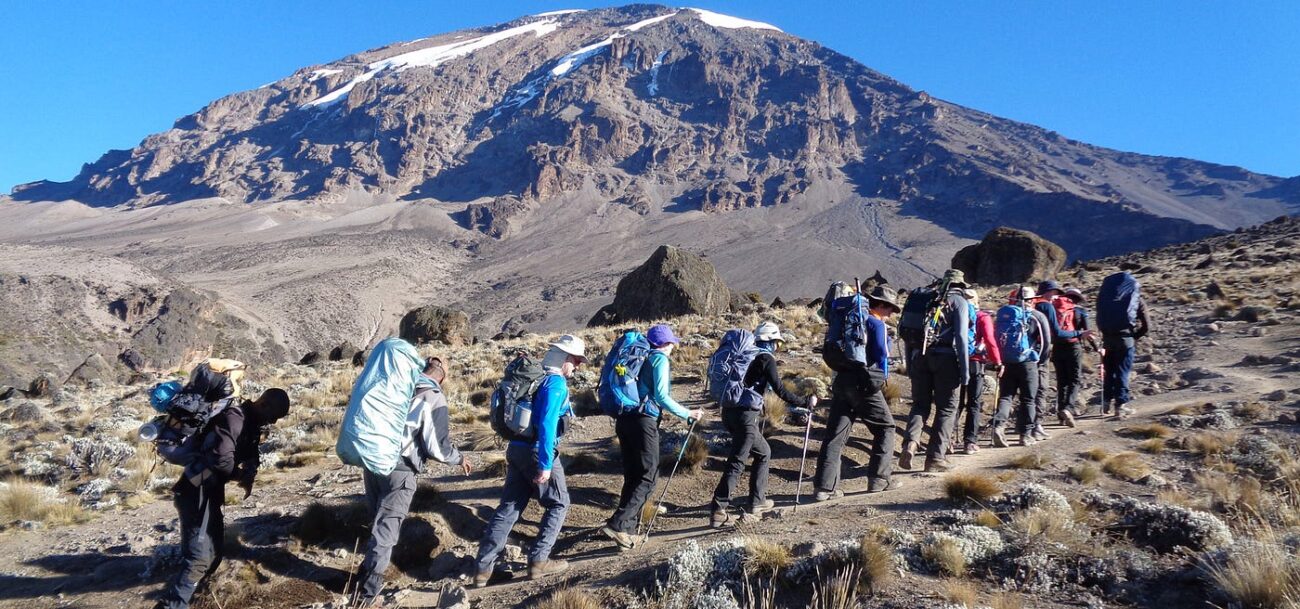
The Midnight Start: Climbers typically begin the ascent around midnight, using headlamps to navigate the steep path through the darkness. The cold nighttime temperatures make proper layering essential.
The Scree Slope: The path crosses loose scree, requiring careful footwork. The unstable surface can slow progress, testing both physical and mental endurance.
Duration: The ascent usually takes 5-7 hours, with most climbers reaching Stella Point at sunrise, offering the chance to witness one of Kilimanjaro’s most impressive sunrises.
Altitude Effects: The high elevation affects climbers differently. Common symptoms include shortness of breath, headaches, fatigue, and reduced appetite. Staying hydrated and pacing yourself are essential.
Weather Conditions at Stella Point
Stella Point experiences extreme weather conditions throughout the year:
- Temperatures: Can drop below freezing, especially at night and early morning.
- Wind: Strong winds frequently occur at the crater rim.
- Visibility: Mornings usually offer the clearest views before clouds develop later in the day.
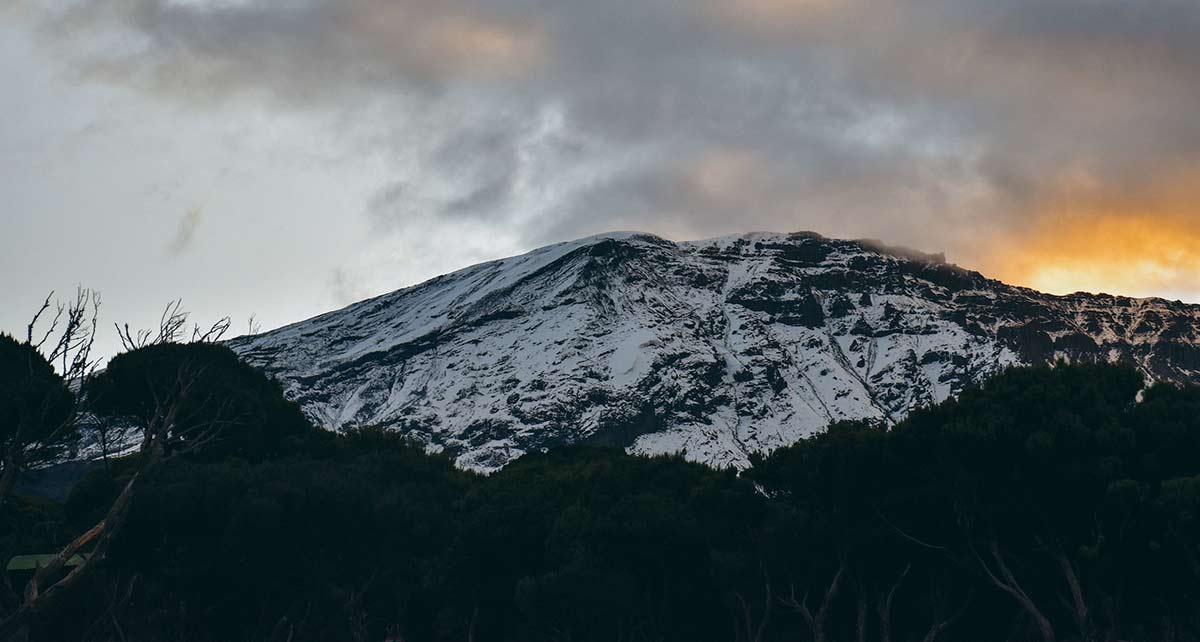
- Snow: Snow may be present at the crater rim, especially during the rainy seasons.
- Sun: After sunrise, temperatures can feel warmer despite the high altitude.
Tips for Reaching Stella Point
- Pace yourself: Maintain a slow, steady rhythm that you can sustain for hours.
- Stay hydrated: Drink water regularly, even if you don’t feel thirsty.
- Layer clothing: Wear multiple layers to adjust to changing conditions.
- Use walking poles: Poles can help balance on the scree and reduce fatigue.
- Focus on the goal: Keep in mind that reaching Stella Point is a significant accomplishment.
- Trust your guide: Your guide’s experience is invaluable at this elevation.
Stella Point vs. Gilman’s Point vs. Uhuru Peak
Understanding the differences between Kilimanjaro’s three summit points helps climbers plan their ascent and celebrate their achievements appropriately.
Stella Point (5,756 meters / 18,885 feet)
- Location: Crater rim, southern approach
- Routes: Machame, Lemosho, Umbwe, Shira
- Significance: Primary crater rim access for southern routes
- Certificate: Official summit certificate awarded
Gilman’s Point (5,685 meters / 18,652 feet)
- Location: Crater rim, eastern approach
- Routes: Marangu, Rongai
- Significance: Primary crater rim access for northeastern routes
- Certificate: Official summit certificate awarded
Uhuru Peak (5,895 meters / 19,341 feet)
- Location: Highest point on Kibo’s crater rim
- Routes: All routes converge here.
- Significance: The highest point in Africa, the ultimate goal
- Certificate: Official summit certificate awarded
The elevation difference between Stella Point and Uhuru Peak is 139 meters (456 feet), roughly the height of a 45-story building. At this altitude, each step requires considerable effort, so climbers should pace themselves carefully.
The Descent: Returning Through Stella Point
From Uhuru Peak to Stella Point
The descent from Uhuru Peak to Stella Point typically takes 1-2 hours, depending on conditions and individual pace. This section follows the same route as the ascent, passing along the crater rim with spectacular views in every direction.
From Stella Point to Barafu Camp
The descent from Stella Point to Barafu Camp takes about 2-3 hours. The scree slope is easier to navigate on the way down, though it requires effort from the knee and calf muscles.
Continuing to Mweka Camp
Most climbers continue from Barafu Camp to Mweka Camp (3,100 meters / 10,065 feet) the same day, making for a long and tiring descent. The total descent from Uhuru Peak to Mweka Camp can take 6-9 hours and is demanding even for experienced climbers.
Tips for a Successful Ascent to Stella Point
Physical Preparation
- Train for cardiovascular endurance and leg strength.
- Practice hiking with a weighted pack.
- Include altitude training if possible.
- Gradually increase your hiking duration to 5-7 hours per day.
Essential Gear for Summit Night
- High-quality headlamp with extra batteries
- Multiple clothing layers for temperature changes
- Warm gloves and an insulated water bottle
- Trekking poles for balance on scree
- Personal medications and first aid supplies
Mental Preparation
- Understand that reaching Stella Point is a major achievement.
- Be prepared for challenging conditions.
- Trust your guide and the acclimatization process.
- Focus on the rewards: spectacular views and a strong sense of accomplishment.
Frequently Asked Questions About Stella Point
How High Is Stella Point on Kilimanjaro?
Stella Point is situated at 5,756 meters (18,885 feet) above sea level on Mount Kilimanjaro’s crater rim. It is one of three official summit points on the mountain.
Which Routes Reach Stella Point?
Stella Point is reached via the Machame Route, Lemosho Route, Umbwe Route, and Shira Route. These routes all approach from the south, reaching the crater rim at Stella Point before continuing to Uhuru Peak.
What Is the Difference Between Stella Point and Uhuru Peak?
Stella Point stands at 5,756 meters (18,885 feet), while Uhuru Peak is 5,895 meters (19,341 feet). The difference is 139 meters (456 feet)—the remaining elevation gain after reaching the crater rim.
Do You Get a Certificate for Reaching Stella Point?
Yes. Climbers who reach Stella Point receive the official Kilimanjaro climbing certificate from Kilimanjaro National Park authorities, recognizing their achievement of reaching one of the mountain’s three summit points.
How Long Does It Take From Barafu Camp to Stella Point?
The ascent from Barafu Camp (4,673 meters) to Stella Point (5,756 meters) typically takes 5-7 hours. Most climbers set out around midnight to reach Stella Point by sunrise.
What Are the Weather Conditions Like at Stella Point?
Stella Point experiences freezing temperatures, strong winds, and occasional snow. The altitude makes conditions challenging, with temperatures often dropping well below freezing, especially at night and early morning.
Can You Descend From Stella Point Without Continuing to Uhuru Peak?
Yes. Climbers who reach Stella Point but choose not to continue to Uhuru Peak for any reason can descend from this point. They will still receive the official certificate for reaching one of Kilimanjaro’s summit points.
Final Remarks About Stella Point Kilimanjaro
Reaching Stella Point is a significant achievement on Mount Kilimanjaro. Standing on the crater rim and viewing the volcanic caldera marks the culmination of a challenging ascent. Whether you continue to Uhuru Peak or celebrate at Stella Point, this milestone is an important part of your Kilimanjaro journey.
Our team offers personalized Kilimanjaro expeditions with a focus on safety, comfort, and summit success. We provide experienced guides, quality equipment, and comprehensive support throughout your climb.
Contact us to discuss your Kilimanjaro climb, customize your itinerary, or combine your trek with a Tanzanian safari. Africa’s highest peak awaits; we are here to help you reach the summit.
Mount Kilimanjaro Trekking Packages
Nothing Found