Lava Tower Kilimanjaro
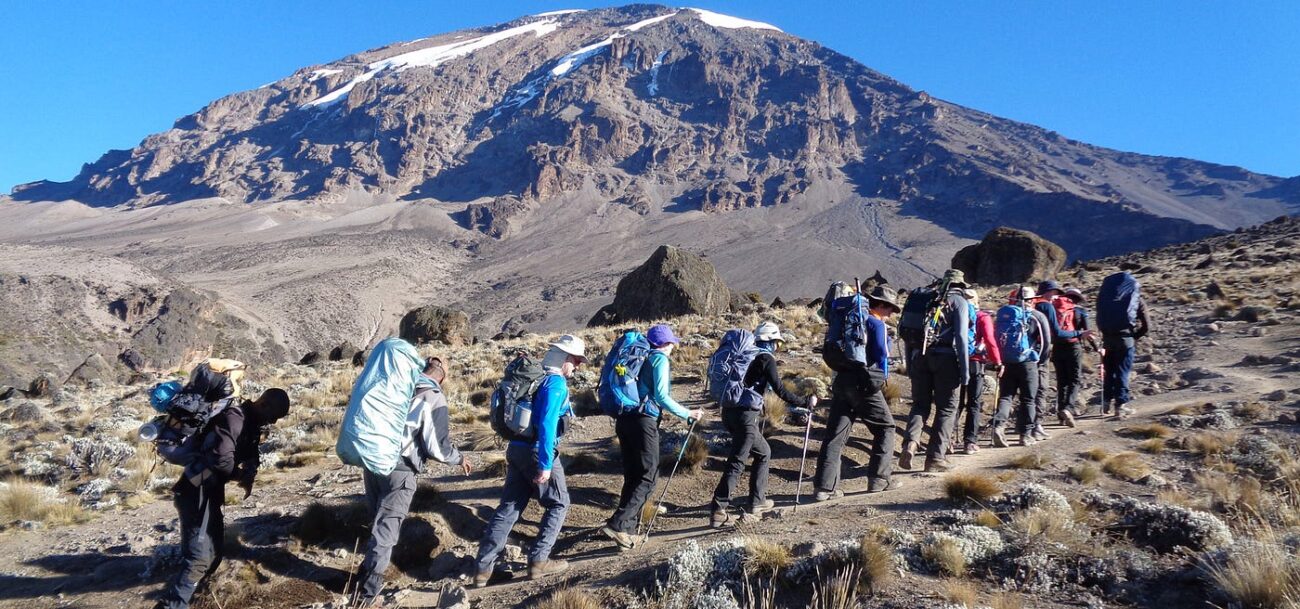
Lava Tower is one of Mount Kilimanjaro’s most prominent geological features, rising 300 feet from the alpine desert on the western slopes. Visible for miles, it serves as a key landmark for climbers on the Machame, Lemosho, and Shira routes. For summit-bound trekkers, Lava Tower offers both a physical challenge and an essential opportunity for acclimatization.
The tower’s near-vertical column of dark volcanic rock creates a memorable visual landmark. Its sheer walls and unique shape make it one of Kilimanjaro’s most photographed features, highlighting the geological forces that shaped the mountain. Beyond its appearance, Lava Tower plays a vital role in climbers’ acclimatization and success at the summit.
Lava Tower is a key point in Kilimanjaro itineraries, typically reached on the third or fourth day. Climbers use it as a lunch stop and to gain altitude before descending to sleep at a lower elevation. This “climb high, sleep low” approach is essential for acclimatization and summit success.
How Lava Tower Was Formed
A Volcanic Plug
Lava Tower is a volcanic plug, also known as a volcanic neck. These geological formations form when magma rises through a volcanic vent and solidifies within the conduit. Over time, erosion removes the softer surrounding rock, leaving the harder, more resistant magma standing as a prominent column.
Formation Timeline
Lava Tower formed between 150,000 and 200,000 years ago during intense volcanic activity on Kilimanjaro. Magma solidified in a vent on the western slopes, and as volcanic activity ceased, erosion removed the softer rock, exposing the harder plug. Over time, this process shaped the 300-foot tower into what it is today.
The Science of Volcanic Plugs
Volcanic plugs are usually composed of hard rocks such as basalt or andesite, which resist erosion better than the surrounding material. Their size and shape depend on the original volcano and the degree of erosion. Lava Tower exemplifies this, with its steep vertical walls and distinctive profile.
Location of Lava Tower
Geographic Position
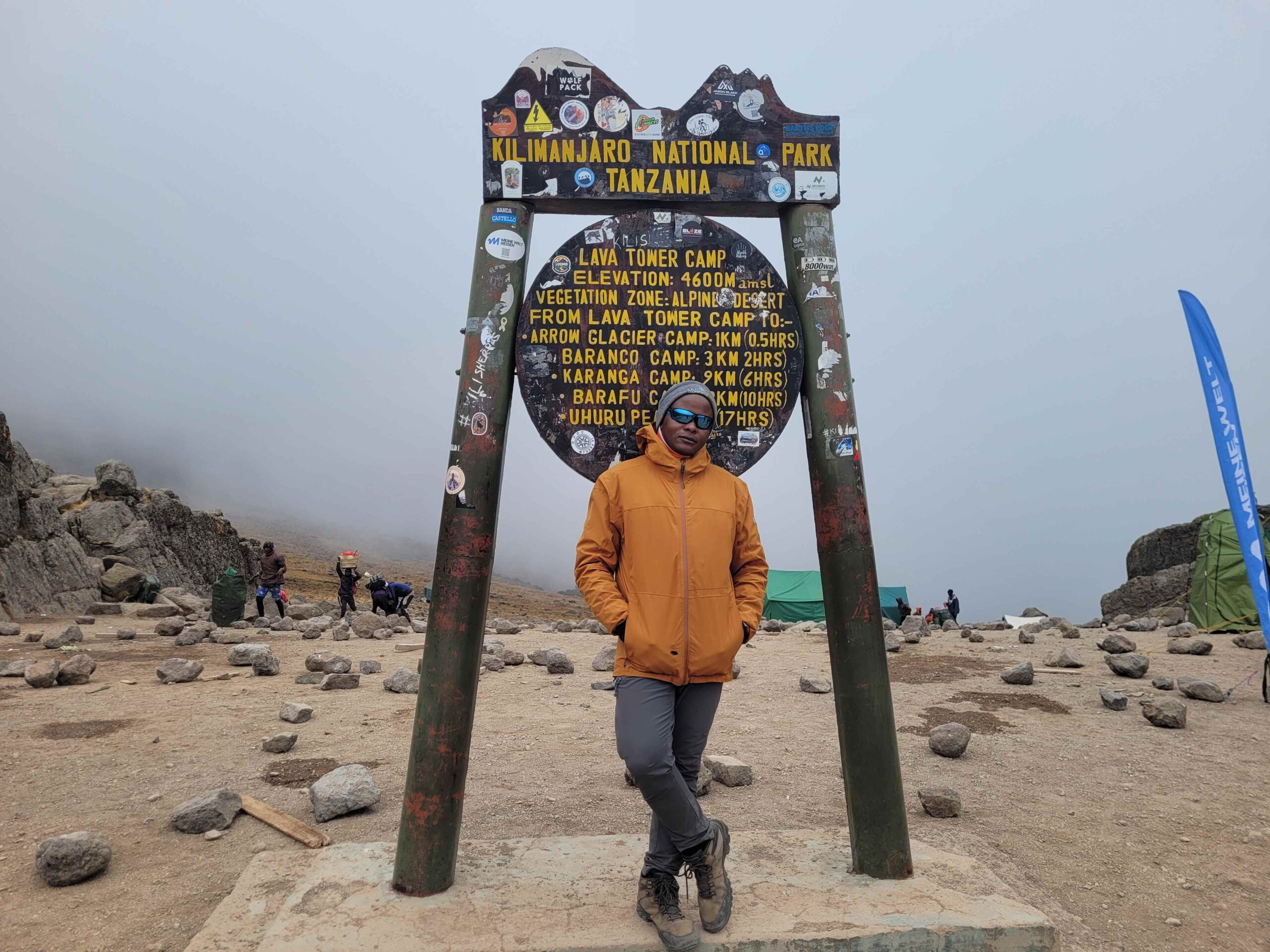
Lava Tower is located on Kilimanjaro’s western slopes, between the Shira Plateau and the summit, at an elevation of 15,190 feet (4,630 meters). This alpine desert zone features harsh conditions and sparse vegetation.
Access Routes
Lava Tower is accessible via several Kilimanjaro routes:
- Machame Route: The most popular route, which passes Lava Tower on the third day
- Lemosho Route: The scenic route that also traverses the tower
- Shira Route: The western approach that includes Lava Tower
- Northern Circuit Route: Some variations of this route pass near the tower
- Umbwe Route: The challenging route that may include Lava Tower
Significance for Climbers
Lava Tower’s location makes it an important milestone for climbers on the western routes. The tower is typically reached on the third or fourth day of the expedition, marking a point where climbers have gained significant altitude and are beginning to feel the effects of the thin air. For many, reaching Lava Tower is a psychological boost, representing progress toward their ultimate goal.
Weather and Environment at Lava Tower
Alpine Desert Conditions
Lava Tower lies in Kilimanjaro’s alpine desert zone, characterized by:
- Sparse vegetation: Only a few hardy plants survive at this elevation
- Extreme temperature changes: Warm days give way to freezing nights
- Strong winds: The exposed location is subject to persistent winds
- Dry conditions: Limited precipitation makes this a desert environment
Landscape
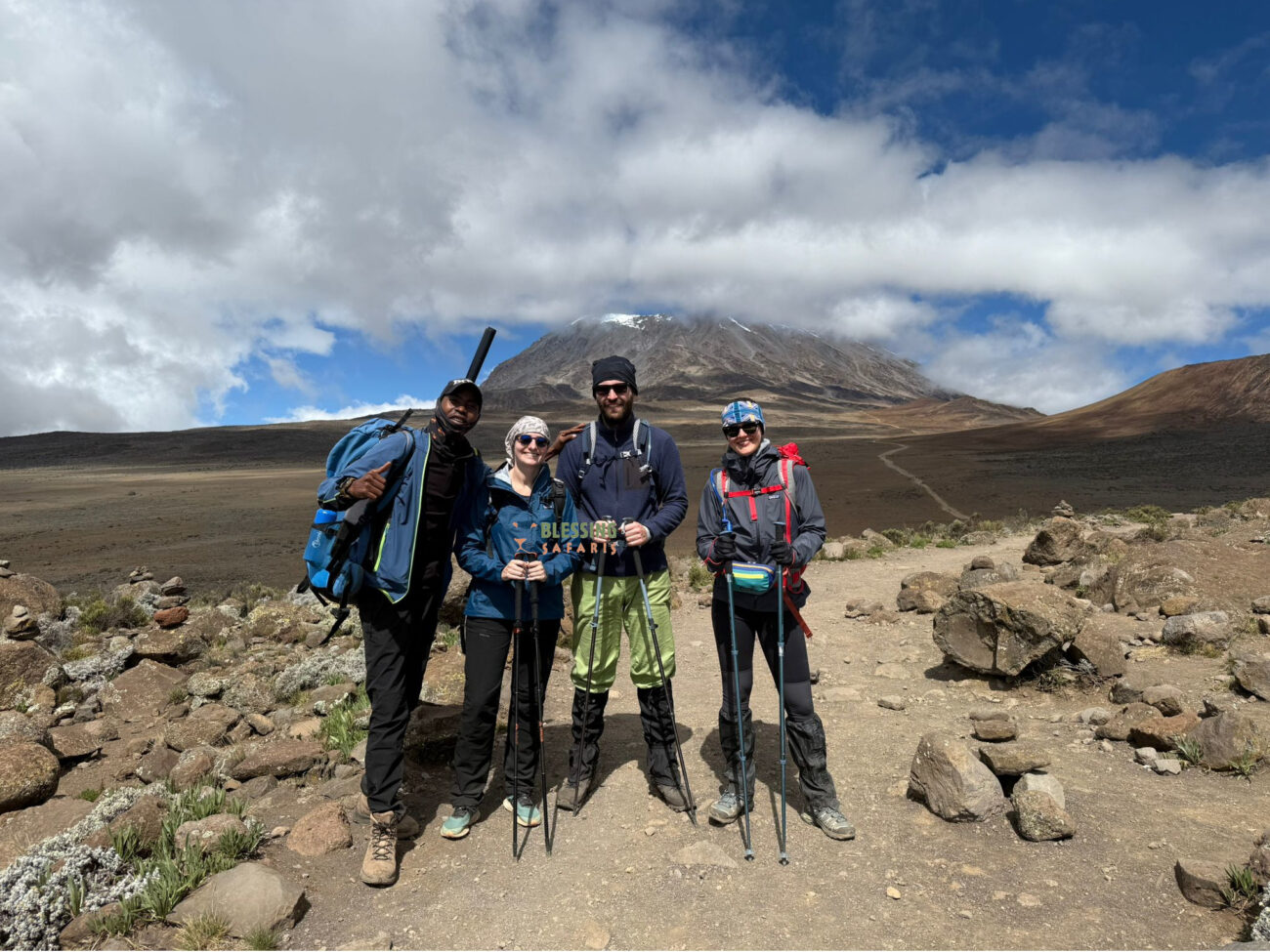
The area around Lava Tower is stark and rocky, with little vegetation. The contrast between the dark volcanic rock and the lighter landscape creates a dramatic visual effect that leaves a lasting impression on climbers.
Lava Tower as an Acclimatization Point
Climb High, Sleep Low
Lava Tower is central to Kilimanjaro’s acclimatization strategy. Most itineraries include a lunch stop here, allowing climbers to gain altitude before descending to a lower camp. This “climb high, sleep low” method is essential for adapting to the altitude.
The Acclimatization Process
At 15,190 feet, climbers experience reduced oxygen levels, prompting their bodies to adapt. Descending to a lower camp to sleep aids recovery while retaining the acclimatization benefits gained at higher altitude.
Benefits
The Lava Tower acclimatization stop:
- Reduces the risk of altitude sickness by providing a controlled exposure to high altitude
- Improves summit success rates: Well-acclimatized climbers are more likely to reach Uhuru Peak
- Builds confidence: Reaching Lava Tower demonstrates that climbers can handle high altitude
Can you climb the Lava Tower?
Prohibition
Climbing to the top of Lava Tower is now prohibited due to safety concerns. Its steep, near-vertical walls pose significant risks of falls and rockfall. The ban applies to all climbers, and violations may result in penalties.
Alternative Experiences
Although climbing to the top of Lava Tower is prohibited, climbers can still appreciate the formation from its base. The campsite at the tower’s base offers excellent views and photo opportunities, allowing visitors to admire the tower’s scale and geological significance.
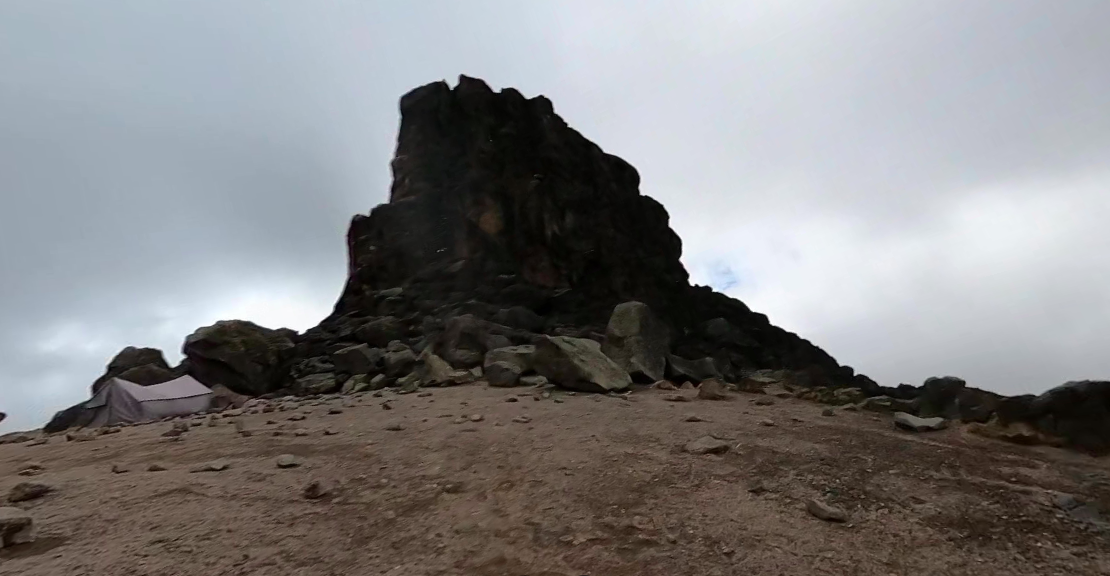
Lava Tower Campsite
Facilities
The campsite at the base of Lava Tower is a basic, functional site designed for rest and preparation. Facilities are minimal:
- Tent camping: No permanent structures or huts
- Basic sanitation: Pit latrines are available
- Water: Limited availability, must be carried by porters
- Shelter: No dining structures; meals are taken in tents
Purpose
The campsite mainly serves as an acclimatization stop, where climbers rest and have lunch before descending. Overnight stays are less common due to harsh conditions and the preference for sleeping at lower elevations.
Lava Tower FAQ
What Is Lava Tower?
Lava Tower is a 300-foot volcanic plug on Mount Kilimanjaro, formed when magma solidified within a volcanic vent between 150,000 and 200,000 years ago. Erosion later exposed the hard, durable rock.
Where Is Lava Tower Located?
Lava Tower is situated on Mount Kilimanjaro’s western slopes, east of the Shira Plateau and west of the summit, at an elevation of 15,190 feet (4,630 meters).
What Routes Pass Lava Tower?
Lava Tower is accessible via the Machame Route, Lemosho Route, Shira Route, some variations of the Northern Circuit, and the Umbwe Route.
How Was Lava Tower Formed?
Lava Tower is a volcanic plug formed when magma rose through a vent and solidified. Erosion later removed the softer surrounding rock, exposing the harder volcanic material.
What Is the Weather Like at Lava Tower?
The area experiences alpine desert conditions with sparse vegetation, extreme temperature changes, strong winds, and dry conditions. The rocky, barren landscape is inhospitable to most plant and animal life.
Is There a Campsite at Lava Tower?
Yes. There is a campsite at the base of Lava Tower, typically used as an acclimatization point with lunch stops and occasional overnight stays.
Can you climb the Lava Tower?
No. Climbing to the top was once permitted but is now prohibited due to safety concerns. Visitors can admire the tower from its base.
Why Is Lava Tower Important for Acclimatization?
Lava Tower is used as a “climb high, sleep low” acclimatization point, allowing climbers to gain altitude before descending to sleep at a lower elevation. This helps the body adapt to the thin air.
What Is the Elevation of Lava Tower?
Lava Tower stands at 15,190 feet (4,630 meters) above sea level.
What Makes Lava Tower Unique?
Lava Tower is a classic example of a volcanic plug, with near-vertical walls and a distinctive profile. Its formation between 150,000 and 200,000 years ago makes it a significant geological landmark.
Plan Your Kilimanjaro Climb with Lava Tower Visit
Lava Tower is one of Kilimanjaro’s most remarkable geological features, reflecting the volcanic forces that shaped the mountain and serving as a key milestone on the way to the summit.
Whether used for acclimatization, admired for its profile, or photographed, Lava Tower is an unforgettable part of the Kilimanjaro experience.
Our team designs personalized Kilimanjaro itineraries featuring Lava Tower and other summit highlights.
We offer experienced guides, quality equipment, and comprehensive support for your climb.
Contact us to discuss your Kilimanjaro climb and experience Lava Tower. Africa’s highest peak and its volcanic features await. Let us help you explore them. Book Your Trek With Us
Mount Kilimanjaro Tour Packages
From$2,210
6 Days, 5 Nights
6 Day Kilimanjaro Climb via Rongai Route
Mt. Kilimanjaro
From$1,845
6 Days, 5 Nights
6 Day Kilimanjaro Trek via Marangu Route
Mt. Kilimanjaro
From$2,150
6 Days , 5 Nights
6 Day Kilimanjaro Trek via Machame Route
Mt. Kilimanjaro
From$1,790
5 Days , 4 Nights
5 Day Kilimanjaro Trek via Marangu Route
Mt. Kilimanjaro