CRATER CAMP KILIMANJARO
Crater Camp is the highest campsite on Kilimanjaro, located at 5,750 meters (18,865 feet) in the depression atop Kibo, the mountain’s highest volcanic cone. For experienced trekkers seeking more than a standard summit, Crater Camp provides a unique and memorable overnight stay.
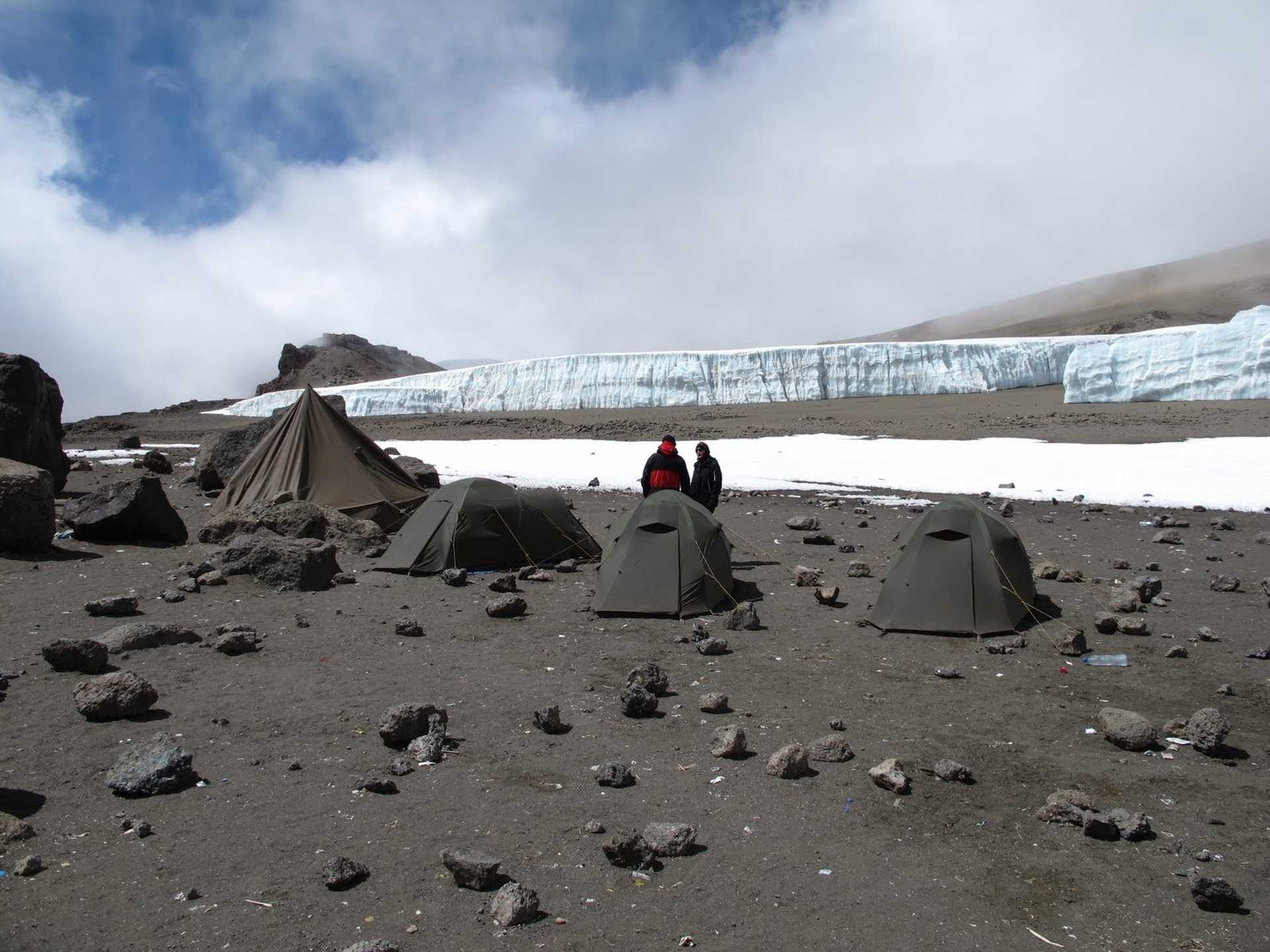
Crater Camp is unique due to its exclusivity. While many climbers reach Uhuru Peak, only a few spend the night in the crater and witness sunrise from this exceptional vantage point. The camp offers direct access to the Furtwangler Glacier, Northern Ice Field, and the Ash Pit—features most climbers do not see up close.
Sleeping at Crater Camp is challenging due to extreme altitude, cold, and demanding conditions. Proper physical and mental preparation is essential. For those ready, the experience offers significant rewards, including a night at Africa’s highest campsite among rare ice fields and volcanic features.
This guide covers essential information about Crater Camp, including key sights and practical considerations to help you decide if this experience is suitable for you.
What Makes Crater Camp So Special?
Unparalleled Views and Access
Crater Camp provides exclusive access to Kilimanjaro’s volcanic center. From this location, climbers can observe the mountain’s geological features and remaining ice fields up close.
Daytime temperatures at the crater are often mild, allowing climbers to explore the area comfortably. Unlike standard summit days, Crater Camp guests have time to appreciate the summit zone without rushing.
Rare Glacial Formations
Most climbers see Kilimanjaro’s glaciers only from afar. Crater Camp allows for close interaction with these ancient ice formations:
Furtwangler Glacier: Named after Dr. Hans Furtwangler, who made the first ascent of Kilimanjaro’s highest summit in 1889 alongside Yohana Kinyala Lauwo, this glacier is one of the most recognizable features on the mountain. Its beautiful, icy blue-and-white patterning creates a stunning visual spectacle.
Northern Ice Field: This vast expanse of ice on the northern side of the crater rim is one of Kilimanjaro’s most impressive features. Climbers staying at Crater Camp can walk alongside this ancient ice field, experiencing its majesty up close.
These glacial formations have shrunk by roughly 80% since 1912, making the opportunity to witness them in person increasingly precious. Climate change continues to threaten these remarkable features, adding urgency to the experience of seeing them while they still exist.
The Ash Pit and Reusch Crater
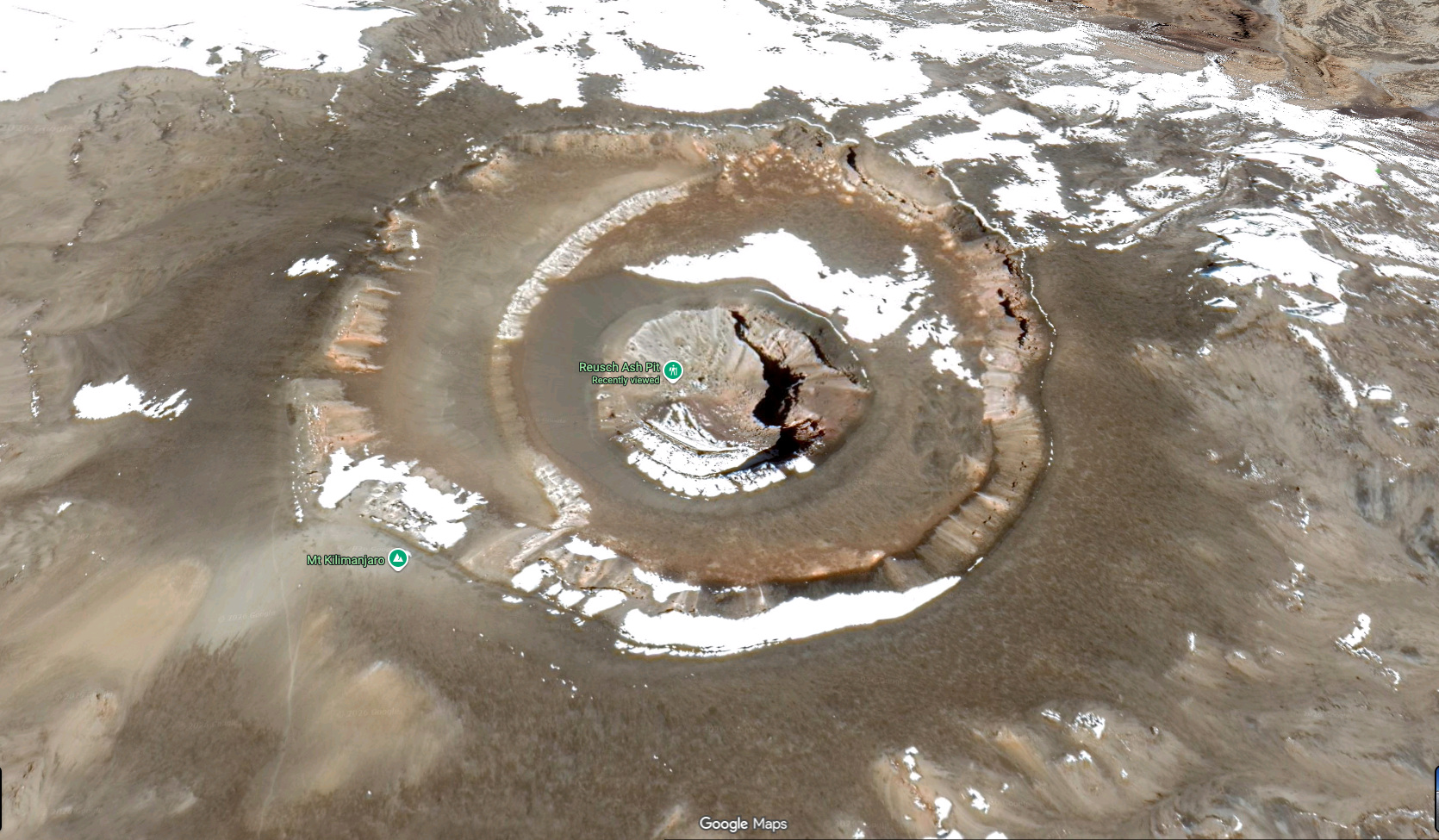
A key highlight of Crater Camp is visiting the Ash Pit and Reusch Crater. The Ash Pit, Kilimanjaro’s volcanic vent, is a striking reminder of the mountain’s origins. Although dormant, it illustrates the forces that shaped Africa’s highest peak.
The round trip to the Ash Pit takes about two to three hours and requires careful footing. Those who complete it enjoy unique views and photo opportunities rarely experienced by other climbers.
Looking into the Ash Pit, surrounded by ancient ice fields at Africa’s summit, creates a lasting connection with the natural environment.
The Crater Rim Sunrise
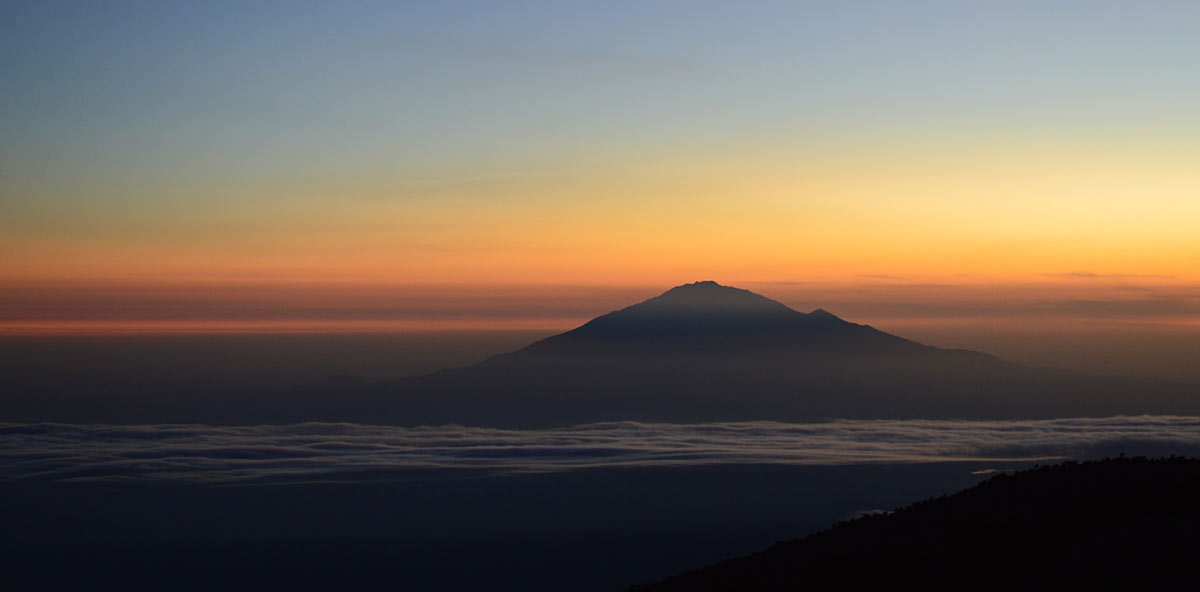
A major benefit of Crater Camp is the sunrise experience. Unlike standard summit attempts, guests can witness sunrise from the crater rim in a relaxed setting.
Watching the sun rise over Africa from its highest point is a memorable experience. The changing light on the ice fields and crater creates a scene that many climbers consider the highlight of their Kilimanjaro journey.
Crater Camp Facilities and Conditions
Accommodation
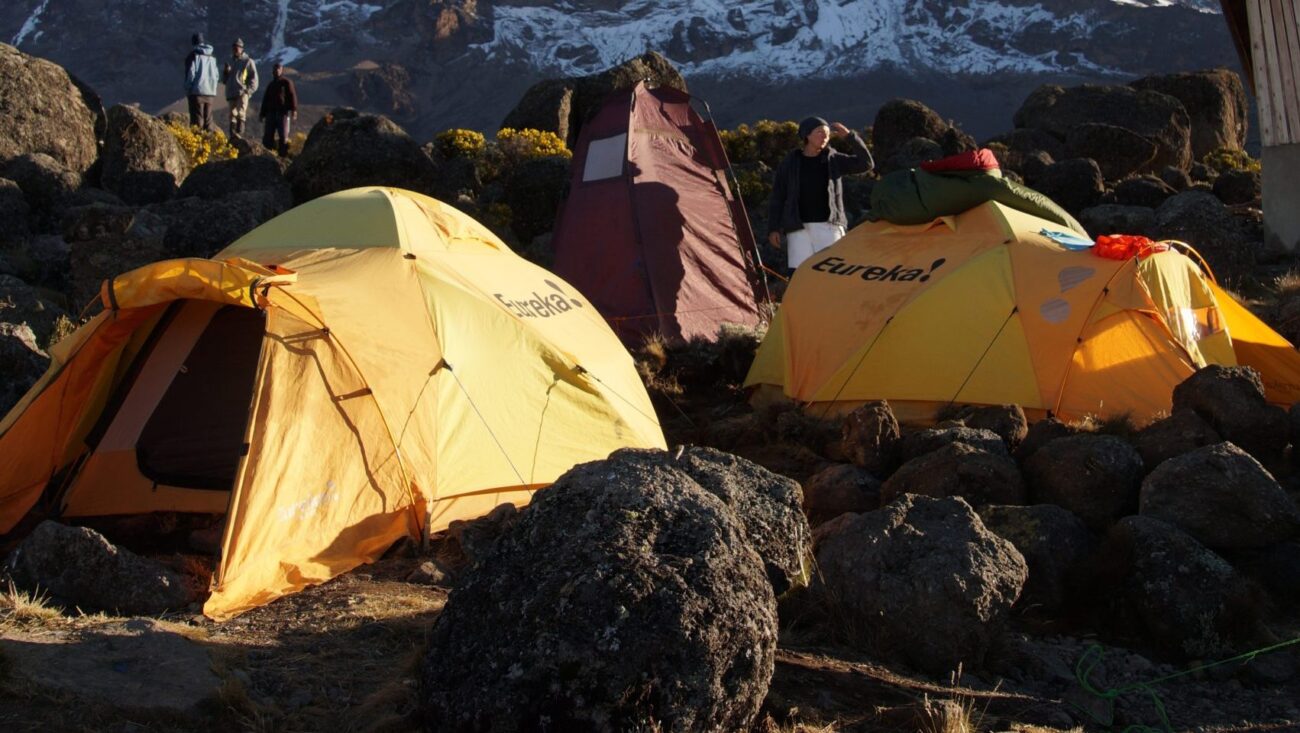
Crater Camp has no permanent structures and consists only of tents. Climbers must bring or arrange tents designed for extreme high-altitude conditions, as the site offers no natural shelter.
Weather Conditions
The weather at Crater Camp is extreme:
- Nighttime temperatures: Can easily drop below -10°C (14°F) and even as low as -20°C (-4°F)
- Wind: Strong winds are common, creating significant wind chill
- Daytime temperatures: Can be surprisingly pleasant, especially in direct sunlight
- Precipitation: Snow possible year-round
- Visibility: Generally best in the morning; afternoon clouds often form
Health Considerations at Altitude
Spending a night at 5,750 meters presents significant health challenges:
- Altitude sickness: Dizziness, nausea, headaches, and shortness of breath are common.
- Sleep disturbances: Most climbers have difficulty sleeping at this elevation
- Severe headaches: Many climbers report severe headaches during their night at Crater Camp
- Dehydration: The cold, dry air accelerates fluid loss
These challenges are significant. Carefully consider the risks before deciding to stay at Crater Camp.
Who Should Stay at Crater Camp?
Recommended Experience
Crater Camp is not suitable for everyone. The following factors should be considered:
Previous High-Altitude Experience: Climbers should have prior experience trekking and sleeping at high altitude to understand how their bodies respond to extreme elevation.
Living at High Altitude: Individuals who live at elevation are already adapted to thinner air, making the Crater Camp experience easier to manage.
Acclimatization: Select an ascent route that allows for proper acclimatization. Longer routes like the Northern Circuit, Lemosho, or 8-day Machame offer better preparation for the altitude.
Physical Fitness: Excellent cardiovascular fitness is essential for managing the demands of this high-altitude stay.
Mental Preparation: Spending a night at extreme altitude presents psychological challenges. A positive mindset, realistic expectations, and resilience are important
Who Should Avoid Crater Camp?
Crater Camp may not be suitable for:
- First-time high-altitude trekkers
- Those with any medical conditions affecting altitude tolerance
- Climbers who have experienced significant altitude sickness on previous climbs
- Those on shortened itineraries with limited acclimatization
- Anyone uncomfortable with extreme cold and exposed conditions
The Crater Camp Experience
Arriving at the Crater
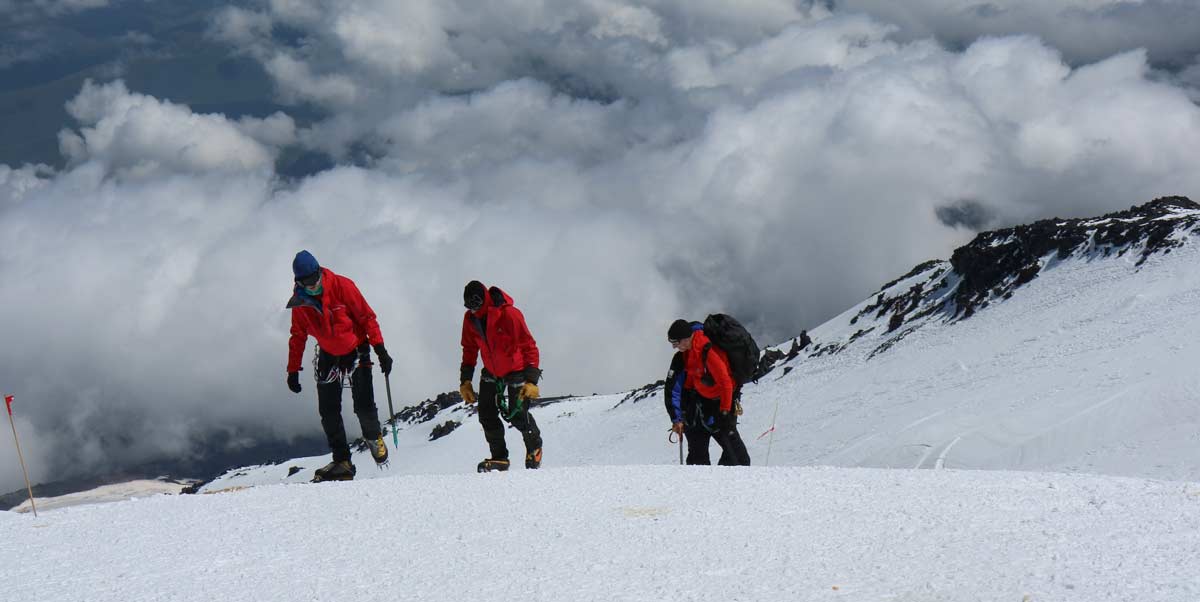
Reaching Crater Camp is a significant accomplishment. Most climbers arrive via the Southern Circuit from Barafu or Kosovo Camp, following the crater rim with expansive views.
Approaching the camp reveals the crater’s scale: its vast depression, ice fields, and steep rim walls leave a strong impression.
The Afternoon at Crater Camp
Arriving in the afternoon allows time to explore the crater and its features. The temperature can be pleasant in the afternoon sun, making exploration enjoyable.
Many climbers choose to visit Reusch Crater and the Ash Pit during this time. The two- to three-hour round trip allows you to immerse yourself in the volcanic landscape and capture photographs that most climbers can only dream of.
The afternoon also provides an opportunity to watch the changing light on the ice fields. The shadows lengthen, the colors deepen, and the sense of being in a truly special place intensifies.
The Night at Crater Camp
Night at Crater Camp is both beautiful and challenging. The stars appear with remarkable clarity—there is no light pollution at this elevation, and the thin air makes the night sky seem impossibly bright.
However, the cold is intense. Temperatures can drop to -20°C (-4°F), and the wind can make it feel even colder. Most climbers have difficulty sleeping, experiencing severe headaches and general discomfort. The altitude makes breathing difficult, and the cold makes any movement a challenge.
These challenges are manageable with proper preparation and the right mindset. However, they are real, and they require respect. Those who are not adequately prepared may find this night to be the most difficult of their entire Kilimanjaro experience.
The Crater Rim Sunrise
Perhaps the most magical aspect of staying at Crater Camp is the sunrise experience. While climbers on standard itineraries race to the summit in the dark, those at Crater Camp can wake at a reasonable hour and witness the sunrise from the crater rim in a more relaxed and contemplative manner.
The sight of the sun rising over the African continent from its highest point is breathtaking. The play of light on the ice fields, the changing colors of the sky, and the vast expanse of the crater below create a spectacle that photographs can never fully capture. For many climbers, this sunrise experience represents the highlight of their entire Kilimanjaro adventure.
Practical Information for Crater Camp
Permits and Fees
Overnight stays at Crater Camp require special permits and arrangements prior to the climb. The camp is classified as a “special campsite,” and additional fees apply. These fees must be arranged in advance through your tour operator.
Facilities
Facilities at Crater Camp are minimal:
- Accommodation: Tents only
- Toilets: Portable toilets must be arranged by climbers or their tour operator
- Water: Limited availability; climbers must carry or arrange for water
- Shelter: No permanent structures
What to Pack for Crater Camp
- Four-season sleeping bag: Rated to -20°C or lower
- Insulated sleeping pad: Critical for warmth
- Multiple thermal layers: Including base layer, mid layer, and outer shell
- Heavy down jacket: Essential for the cold
- Warm hat and thick gloves: Must be windproof
- Headlamp with extra batteries: Lithium batteries last longer in cold weather.
- Thermos for hot drinks: Essential for hydration in the cold
- Portable toilet system: Required if not provided by your operator
- Camera: To capture the unforgettable views
Safety Considerations
- Emergency oxygen: Should be available if staying at Crater Camp
- Communication: Satellite phone or radio recommended
- Guide experience: Your guide should have experience with Crater Camp overnights
- Weather monitoring: Check conditions carefully before the overnight stay.
Why Choose Crater Camp?
Advantages
- Unique Experience: Fewer than 1% of Kilimanjaro climbers stay at Crater Camp
- Exceptional Views: Witness glacial formations and the crater up close
- More Time at the Summit: Enjoy the summit zone without rushing
- Sunrise from the Crater: A spectacular experience unavailable on standard itineraries
- Exclusivity: The camp is rarely crowded, offering a sense of solitude
- Photo Opportunities: Capture images that most climbers can only dream of
- Sense of Achievement: Sleeping on the roof of Africa is a profound accomplishment
Considerations
- Extreme Conditions: Sub-zero temperatures, strong winds, and altitude
- Health Risks: Significant risk of altitude sickness
- Additional Cost: Special permits and arrangements required
- Logistical Complexity: Special arrangements are needed for equipment and facilities
- Physical Demands: Requires excellent fitness and preparation
- Sleep Difficulty: Most climbers struggle to sleep at this elevation
Kilimanjaro Crater Camp Map
Frequently Asked Questions About Crater Camp Kilimanjaro
What Is Crater Camp on Kilimanjaro?
Crater Camp is the highest campsite on Mount Kilimanjaro, located at 5,750 meters (18,865 feet) within the depression at the top of Kibo, the mountain’s highest volcanic cone. It offers overnight accommodation for climbers wanting a unique summit experience.
How High Is Crater Camp?
Crater Camp sits at 5,750 meters (18,865 feet) above sea level, making it the highest campsite on Mount Kilimanjaro.
What Can I See at Crater Camp?
Crater Camp offers access to the Furtwangler Glacier, the Northern Ice Field, and the Ash Pit in Reusch Crater. The camp also offers spectacular sunrise and sunset views from the crater rim.
Do I Need a Special Permit for Crater Camp?
Yes. Crater Camp is classified as a special campsite requiring advance permits and arrangements. Additional fees apply and must be arranged through your tour operator.
Is Crater Camp Safe?
Crater Camp involves significant health risks due to the extreme altitude. It is suitable only for climbers with prior high-altitude experience and excellent physical fitness. Proper preparation, experienced guides, and appropriate safety equipment are essential.
What Should I Pack for Crater Camp?
Essential items include a four-season sleeping bag rated to -20°C, an insulated sleeping pad, thermal layers, a heavy down jacket, windproof gloves and hat, a headlamp with lithium batteries, a thermos for hot drinks, and a portable toilet system.
How Long Does It Take to Reach the Ash Pit?
The round trip to the Ash Pit in Reusch Crater takes approximately two to three hours. The hike requires confidence and careful footing but offers unparalleled views and exceptional photo opportunities.
Can Beginners Stay at Crater Camp?
Crater Camp is not recommended for beginners. It requires previous high-altitude experience, excellent physical fitness, and proper acclimatization. First-time high-altitude trekkers should choose standard itineraries instead.
Final Remarks: Is Crater Camp Right for You?
Crater Camp offers one of the most extraordinary experiences on Mount Kilimanjaro—an overnight stay on the roof of Africa, surrounded by ancient ice fields and volcanic wonders most climbers never see.
The camp offers a unique blend of exclusivity, beauty, and challenge. For those with the experience, fitness, and preparation to handle extreme conditions, Crater Camp delivers rewards found nowhere else on the mountain. The panoramic views from the crater rim, the intimacy of the glacial formations, and the profound sense of achievement create memories that last a lifetime.
However, Crater Camp is not for everyone. The extreme altitude, bitter cold, and challenging conditions demand respect and preparation. The health risks cannot be overlooked, and the experience requires a level of commitment that goes beyond standard Kilimanjaro climbs.
For brave adventurers prepared for the challenge, Crater Camp offers a truly unforgettable experience—a night on the roof of Africa that will stay with you forever.
Plan Your Kilimanjaro Trek With Crater Camp
Crater Camp represents the pinnacle of Kilimanjaro climbing experiences—an exclusive, unforgettable overnight stay on the roof of Africa. If you’re an experienced high-altitude trekker, Crater Camp is an exclusive, memorable overnight stay at Africa’s highest campsite.
If you are an experienced high-altitude trekker seeking a unique Kilimanjaro adventure, this option is ideal.
Contact us to discuss your Crater Camp experience, customize your itinerary, or combine your Kilimanjaro adventure with a Tanzanian safari. Africa’s highest campsite awaits—let us help you create memories that will last a lifetime. Proceed with Booking Your Kilimanjaro Climb Trip.
Mount Kilimanjaro Tour Packages
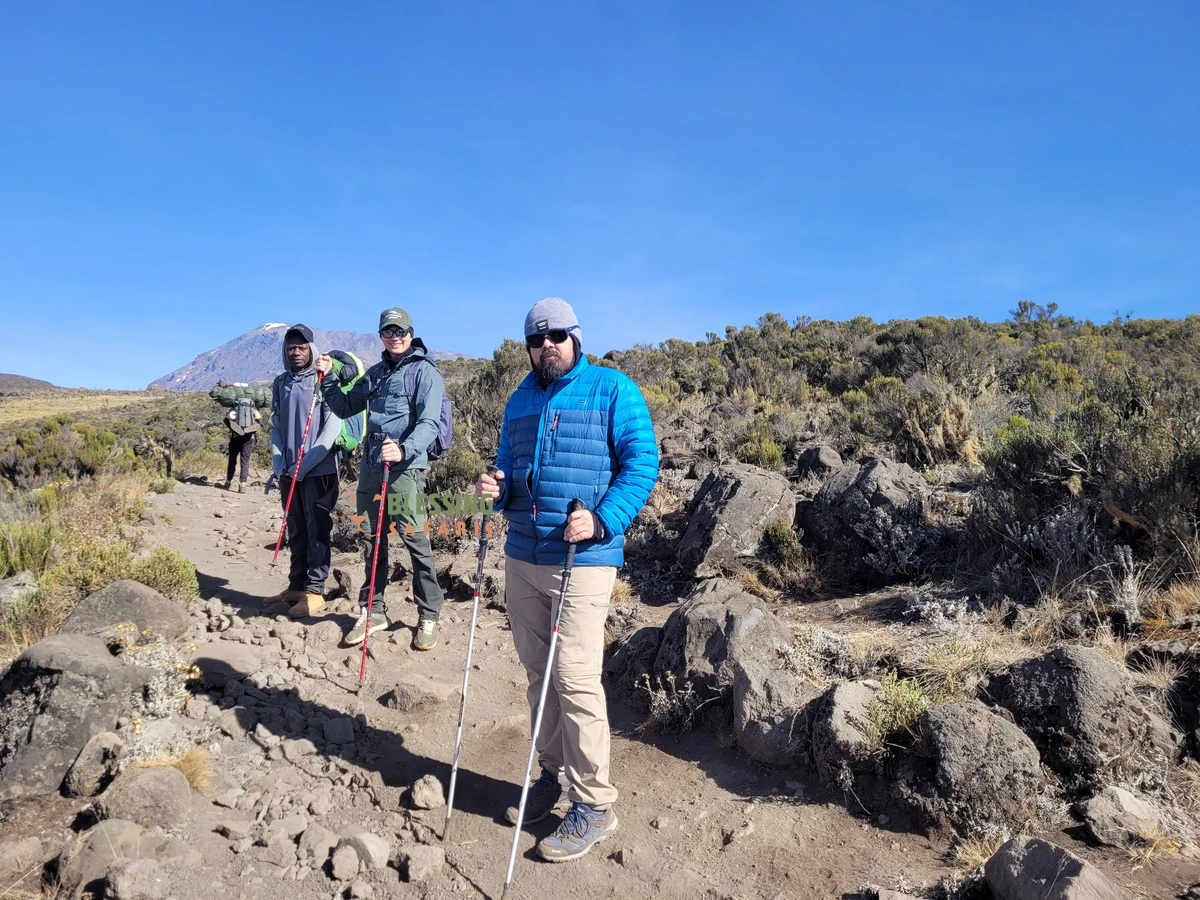
From$2,720
8 Days, 7 Nights
8 Day Kilimanjaro Climb via Lemosho Route
Mt. Kilimanjaro
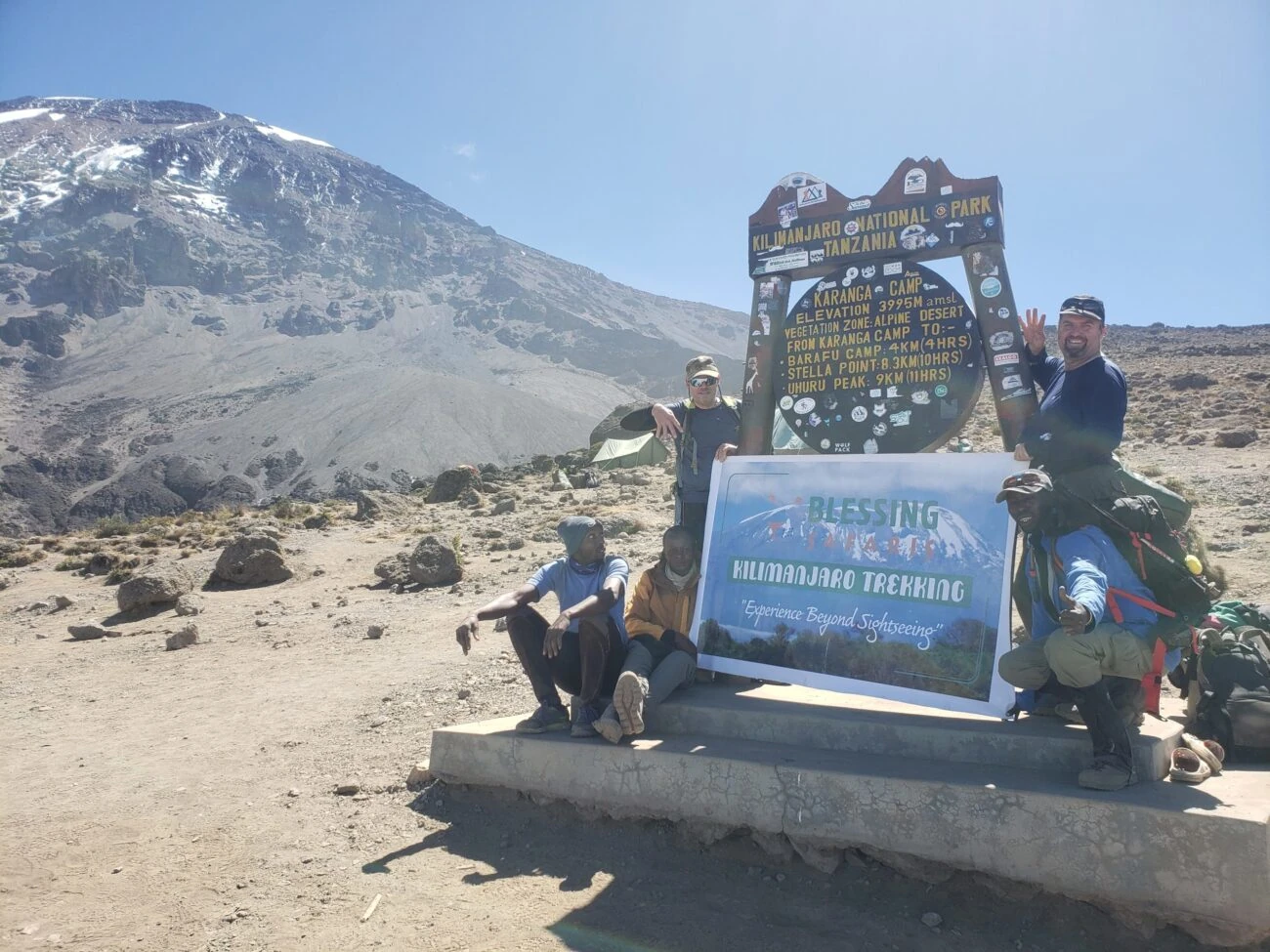
From$ 2,420
7 Days , 6 Nights
7 Day Kilimanjaro Trek via Machame Route
Mt. Kilimanjaro
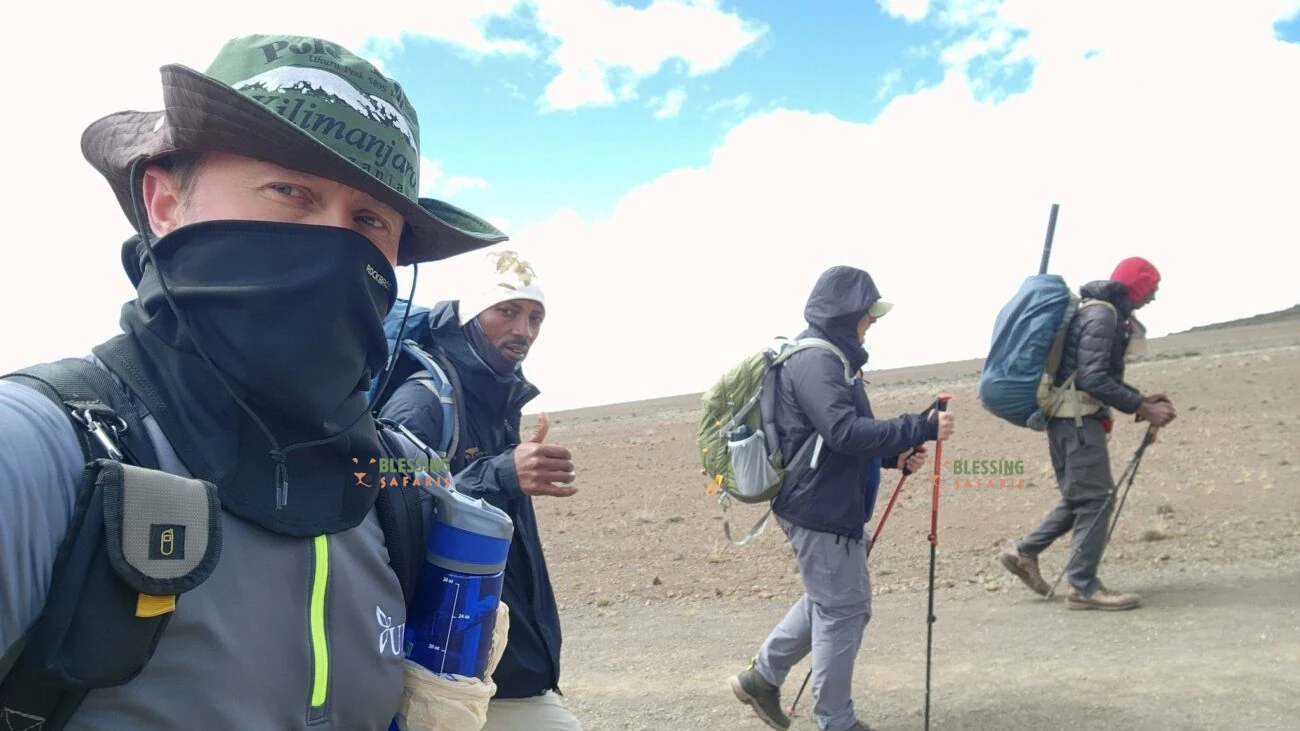
From$2,450
7 Days, 6 Nights
7 Day Kilimanjaro Climb via Lemosho Route
Mt. Kilimanjaro
From$ 2,150
6 Days, 5 Nights
6 Day Kilimanjaro Climb via Umbwe Route
Mt. Kilimanjaro