
Lemosho Gate Kilimanjaro
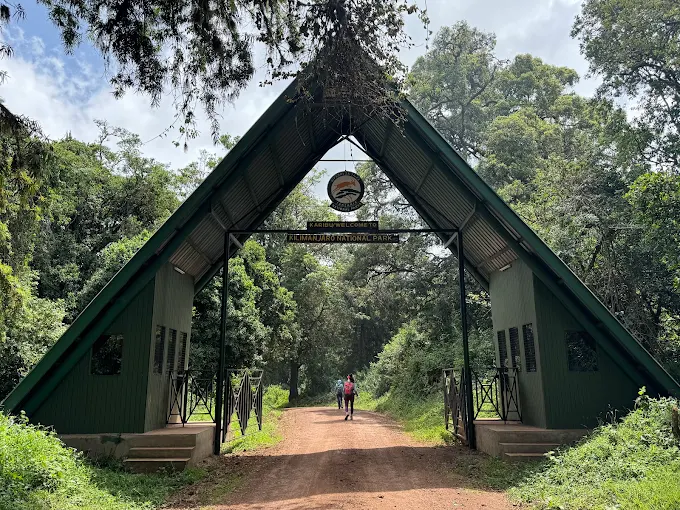
Lemosho Gate, also known as the Lemosho Glades trailhead, is the official starting point of the Lemosho hiking trail and a primary entry to Mount Kilimanjaro. Located on the northwestern side at about 2,100 meters, climbers begin their trek here after registering at Londorossi Gate. For those following the Lemosho Route, widely considered the most scenic path to Uhuru Peak, Lemosho Gate signifies the shift from preparation to ascent.
Lemosho Gate features a two-stage entry process. Climbers register at Londorossi Gate, then travel by vehicle to Lemosho Gate to start the ascent. Londorossi Gate serves as the administrative center for both the Lemosho and Shira routes, while Lemosho Gate is the trailhead. The one-hour drive between the gates passes through remote forest, building anticipation for the trek.
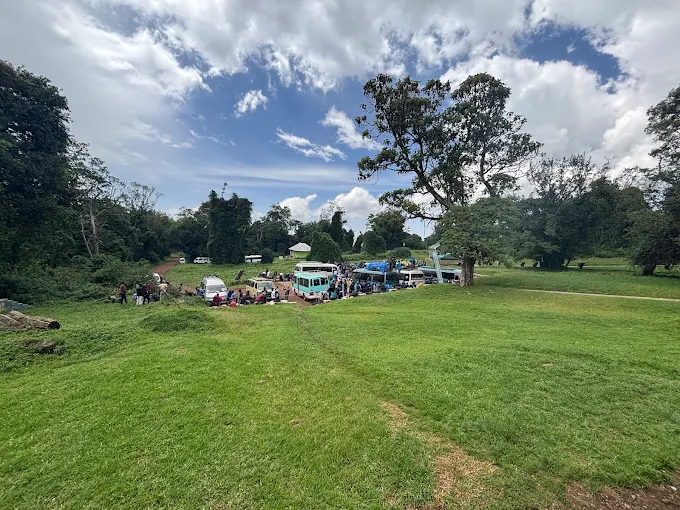
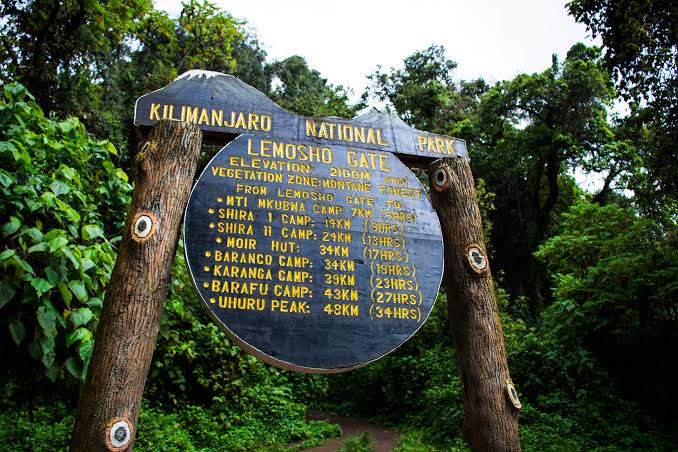
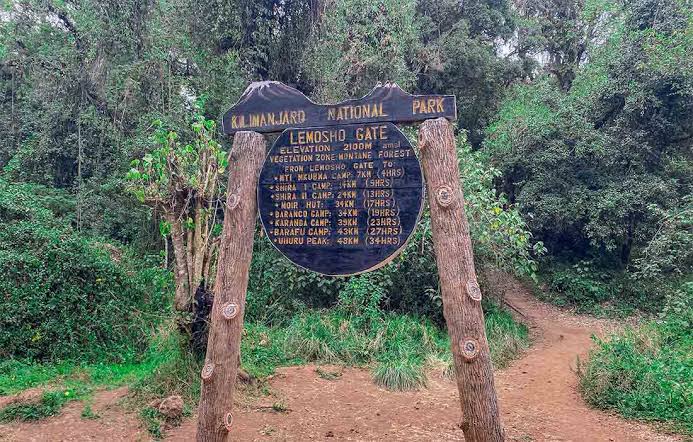
The gate is modest but functional, set in a remote rural area surrounded by plantations. A prominent sign displays the altitude, distances, and campsite names, giving climbers a clear overview of the route. Here, climbers meet their porters and make final preparations before the trek begins. For many, standing at the trailhead with the mountain ahead is a memorable highlight of the expedition.
Location of Lemosho Gate
Lemosho Gate sits on the northwestern lower slopes of Mount Kilimanjaro in the remote Lemosho area. Fertile volcanic soil supports coffee, banana, and maize plantations. The area’s isolation enhances the sense of adventure, offering climbers an authentic wilderness experience from the start.
Mti Mkubwa Camp (Big Tree Camp), located about 6 to 7 kilometers from Lemosho Gate, is the first campsite on the Lemosho Route and lies within the rainforest zone. Reaching Mti Mkubwa completes the first day’s trek and marks the beginning of the main ascent, with the route continuing through the forest toward the Shira Plateau in the following days.
The Lemosho area receives frequent rainfall due to its high altitude and proximity to the montane forest, which supports its lush, diverse vegetation. However, heavy rain can make local roads difficult to navigate, especially during the rainy season, so you’ll need a reliable 4×4 to reach the gate.
Registration and Inspection Procedures at Lemosho Gate
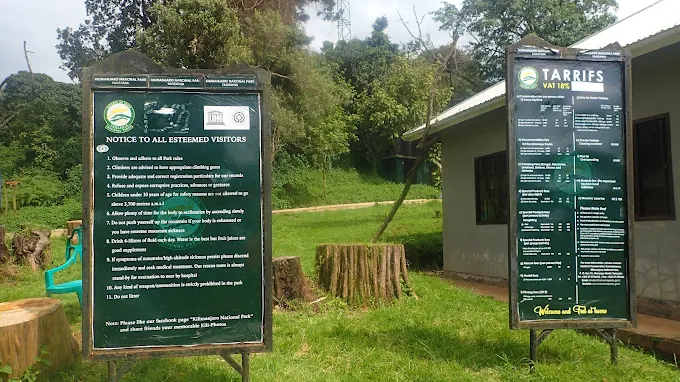
Climbers on the Lemosho Route register and complete inspections at Londorossi Gate, where all official paperwork is processed. Lemosho Gate serves as the final checkpoint before the trek begins. Procedures at both gates match those at other Mount Kilimanjaro entry points and are intended to ensure climber safety and regulatory compliance. Climbers who do not meet these requirements may be denied entry, so prepare all documentation and resources in advance.
Passport and Visa Verification: Climbers must present valid passports and visas, which are checked against booking information to confirm legal entry into Tanzania and verify identities.
Itinerary Cross-Checking: Park officials review each itinerary to ensure routes, camps, and durations comply with regulations and match climber capabilities. This helps prevent overcrowding and supports realistic ascent planning.
Guide Verification: Officials confirm that each guide is affiliated with a registered tour company, ensuring guides are licensed and climbers are supported by reputable operators.
Resource Confirmation: Climbers must show they have sufficient resources, such as porters, tents, food, and water, to support their climb. This ensures all participants are adequately prepared.
Entry Fee Verification: All entry fees must be paid and verified before access is granted to support park maintenance and conservation.
After completing these procedures, climbers proceed to Lemosho Gate to begin the trek.
Facilities at Lemosho Gate
Lemosho Gate offers basic but functional facilities for climbers beginning their ascent. A prominent sign lists the altitude, distance, and names of each campsite, giving a clear overview of the route and helping climbers prepare.
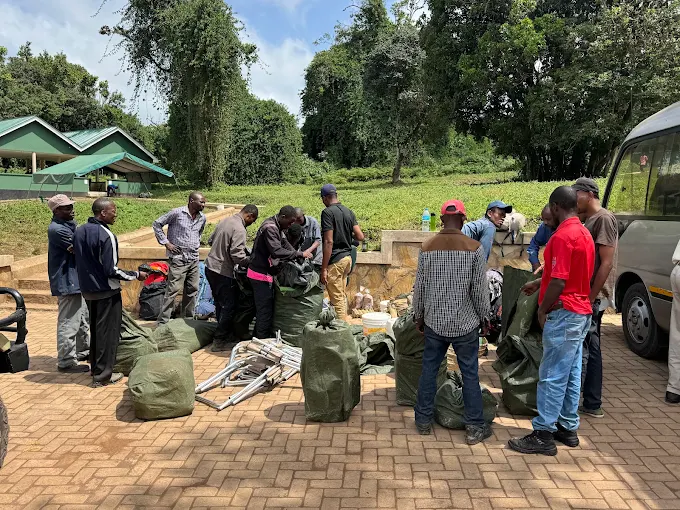
The gate is the meeting point for climbers, guides, porters, and cooks to make final preparations and introductions. Here, the team unites around the goal of reaching the summit, completes last-minute checks, adjusts equipment, and offers encouragement before the trek begins.
Toilets and a ranger’s office are located about 300 meters (984 feet) from Lemosho Gate along the approach path. These facilities provide essential amenities, though conditions are basic. As with all Kilimanjaro entry points, bring your own toilet paper and hand sanitizer, as these may not be supplied.
How to Get to Lemosho Gate
A reliable 4×4 vehicle is necessary to access Lemosho Gate, as the roads are often challenging, especially during the rainy season. The drive from Londorossi Gate takes about one hour through remote, forested terrain with mountain views. Road conditions vary by season, so climbers should allow extra travel time during wet months, when roads may be muddy and difficult to navigate.
Frequent rainfall in the Lemosho area, due to its high altitude and proximity to montane forest, supports lush vegetation but also makes roads challenging. Many tour operators, including Blessing Safaris, provide transportation to the gate as part of their climbing packages, ensuring climbers reach the trailhead safely and comfortably in all conditions.
Where Does the Lemosho Route Begin?
The Lemosho Route starts on Mount Kilimanjaro’s western side at Londorossi Gate, where climbers complete registration and paperwork. From there, a vehicle takes climbers to Lemosho Gate, the trailhead on the mountain’s western slope at the edge of the montane forest zone.
This two-stage entry system, unique to the Lemosho and Shira routes, reflects the remote location of these trails and the need for administrative consolidation at Londorossi Gate. Although it adds a step, it lets climbers experience more of the mountain’s western slopes and appreciate the landscape’s diversity before starting the trek.
Distance from Londorossi Gate to Lemosho Gate
The drive from Londorossi Gate to Lemosho Gate takes about one hour and covers 15 to 20 kilometers of remote, forested terrain. Travelers will see the mountain, local plantations, and the lush vegetation of Kilimanjaro’s western slopes.
Climbers must register at Londorossi Gate before entering Kilimanjaro National Park and using the Lemosho Route. The trek begins at Lemosho Gate. Please allow time for registration and the drive between gates when planning your climb. Most tour operators include this timing in their itineraries to ensure a smooth start.
Distance from Lemosho Gate to Mti Mkubwa Camp
Mti Mkubwa Camp, or Big Tree Camp, is about 6 kilometers (4 miles) from Lemosho Gate. The 3- to 4-hour trek passes through Kilimanjaro’s lush lower rainforest, offering a gentle start that helps climbers acclimatize and appreciate the forest scenery.
The trail from Lemosho Gate to Mti Mkubwa Camp winds through dense forest with tall trees, mosses, and ferns. The area is home to diverse wildlife, including birds and monkeys. On arrival, climbers set up camp and rest for the days ahead.
Remarks: Begin Your Lemosho Route Adventure
Lemosho Gate marks the beginning of one of Mount Kilimanjaro’s most scenic and rewarding routes. At Blessing Safaris, we prioritize your safety, comfort, and an exceptional climbing experience. Our local experts offer knowledgeable guidance and support throughout your journey.
We maintain ethical climbing standards, treat our crew fairly, and provide high-quality equipment and meals. With countless successful summits and a proven safety record, Blessing Safaris is trusted by adventurers worldwide. Book your Lemosho Route adventure with us and let our team guide you to the summit
Frequently Asked Questions About Lemosho Gate
What Is Lemosho Gate?
Lemosho Gate, also known as the Lemosho Glades trailhead, marks the start of the Lemosho hiking trail and serves as one of Mount Kilimanjaro’s entry points. Situated at approximately 2,100 meters on the northwestern side of the mountain, climbers begin their trek here after registering at the nearby Londorossi Gate. Lemosho Gate is distinct for its two-stage entry process: registration occurs at Londorossi Gate, followed by a vehicle transfer to Lemosho Gate, where the ascent starts. For those taking the Lemosho Route, often considered the most scenic path to Uhuru Peak, Lemosho Gate signifies the transition from preparation to the start of the climb.
Where Is Lemosho Gate Located?
Lemosho Gate sits on the northwestern lower slopes of Mount Kilimanjaro, in the rural, remote Lemosho area. Surrounded by plantations, the region’s fertile volcanic soil supports crops such as coffee, bananas, and maize. Its remoteness heightens the sense of adventure, giving climbers an authentic wilderness experience from the outset. The nearest campsite, Mti Mkubwa (Big Tree Camp), is about 6 to 7 kilometers away and is the first campsite on the Lemosho Route, located in the rainforest zone.
What Is the Elevation of Lemosho Gate?
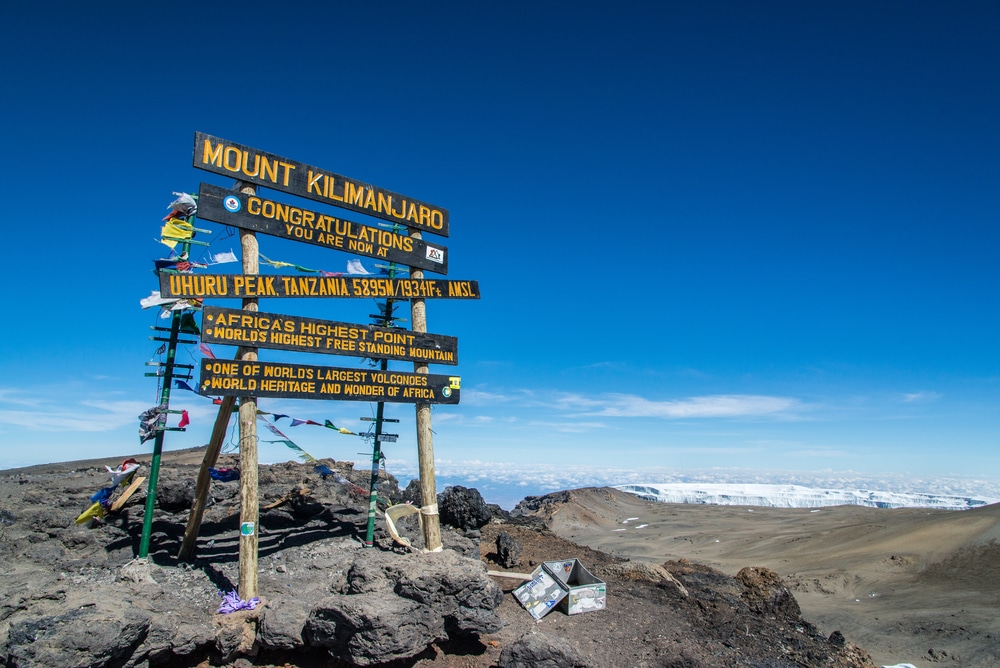
Lemosho Gate is located at approximately 2,100 meters (6,890 feet) above sea level on the northwestern slopes of Mount Kilimanjaro. Its elevation, like other entry points, offers a gradual introduction to higher altitudes. The area features lush vegetation and abundant rainfall, creating an evergreen, biologically diverse environment. From here, climbers ascend through the rainforest to Mti Mkubwa Camp and ultimately to Uhuru Peak at 5,895 meters, traversing all five of Kilimanjaro’s ecological zones.
What Facilities Are Available at Lemosho Gate?
Lemosho Gate offers basic but functional facilities for climbers beginning their ascent. A prominent sign lists the altitude, distance, and names of each campsite along the route, providing a clear overview of the journey. The gate serves as the meeting point for climbers and porters, allowing time for final preparations and introductions. Toilets and a ranger’s office are located approximately 300 meters from the gate, providing essential amenities before the climb. As with all Kilimanjaro entry points, please bring your own toilet paper and hand sanitizer.
What Registration Procedures Are Required at Lemosho Gate?
Climbers on the Lemosho Route must register, complete inspections at Londorossi Gate, and submit all required paperwork. Lemosho Gate is the final checkpoint before the trek. Entry procedures include passport and visa checks, daily itinerary verification, confirmation that your guide is with a registered tour company, and proof of adequate porters, tents, food, water, and payment of Mount Kilimanjaro entry fees. Failure to meet these requirements may result in denial of entry. Please prepare all documentation and resources before arrival.
Which Routes Use Lemosho Gate?
Lemosho Gate is the entry point for the Lemosho Route, widely regarded as one of the most scenic and rewarding paths to Mount Kilimanjaro’s summit. The route features diverse landscapes, a favorable acclimatization profile, and less traffic than the Machame and Marangu routes. Climbers register at Londorossi Gate before beginning their trek at Lemosho Gate. The route passes through rainforest, crosses the Shira Plateau, and joins the southern circuit for the final ascent to Uhuru Peak. Most climbers complete the Lemosho Route in 7-8 days.
How Do I Get to Lemosho Gate?
A reliable 4×4 vehicle is required to access Lemosho Gate due to challenging road conditions, especially during the rainy season. The drive from Londorossi Gate takes about one hour through remote, forested terrain with mountain views. Road conditions vary by season, so allow extra time during wet months when roads may be muddy and difficult. Many tour operators, including Blessing Safaris, include transportation to the gate in their climbing packages.
What Is the Distance from Londorossi Gate to Lemosho Gate?
The drive from Londorossi Gate to Lemosho Gate takes about one hour and covers 15 to 20 kilometers through remote, forested terrain. Along the way, travelers can see the mountain, nearby plantations, and the lush vegetation of Kilimanjaro’s western slopes. Climbers must register at Londorossi Gate before beginning their ascent at Lemosho Gate. Plan for both the registration process and the drive before starting the trek.
What Is the Distance from Lemosho Gate to Mti Mkubwa Camp?
Mti Mkubwa Camp, or Big Tree Camp, is about 6 kilometers (4 miles) from Lemosho Gate. The 3- to 4-hour trek passes through Kilimanjaro’s lush lower rainforest, offering a gradual introduction to the mountain and time to acclimatize. The trail features dense vegetation, including tall trees, mosses, and ferns. Upon arrival, climbers set up camp and prepare for their first night on the mountain.
What Is the Vegetation Zone at Lemosho Gate?
Lemosho Gate sits at the edge of the montane forest zone on Mount Kilimanjaro’s northwestern slopes. The area features lush vegetation, including tall trees, mosses, ferns, and diverse flowering plants, supported by abundant rainfall and fertile volcanic soil. This zone is among the mountain’s most biologically diverse, hosting many plant and animal species, including birds and monkeys. Climbers passing through Lemosho Gate can experience this rich biodiversity before ascending to the mountain’s higher, less vegetated zones.
Is Lemosho Gate Crowded?
No, Lemosho Gate is one of the least crowded entry points on Mount Kilimanjaro. The Lemosho Route experiences lower traffic than popular southern routes such as Machame and Marangu. Its remote location and limited climber volume create a quiet atmosphere, even during peak seasons, allowing climbers to enjoy solitude and a more immersive mountain experience.
What Should I Bring to Lemosho Gate?
Bring your passport, visa, printed itinerary, guide registration confirmation, proof of entry fee payment, and all required climbing gear to Lemosho Gate. Pack suitable clothing for the trek, including rain gear, hiking boots, and layers for changing temperatures, as well as water bottles, snacks, and sunscreen. Carry cash for additional expenses and use a waterproof folder to protect important documents. Since facilities at Lemosho Gate are limited, purchase equipment, food, and supplies in Moshi or Arusha beforehand for a wider selection.
What Is the Best Time to Arrive at Lemosho Gate?
Arrive at Lemosho Gate between 8:00 and 9:00 AM to allow sufficient time for registration at Londorossi Gate, travel to Lemosho Gate, and complete the first day’s trek to Mti Mkubwa Camp. Early arrival helps avoid delays and ensures a smooth start. The dry seasons from June to October and December to March offer the most reliable weather and optimal climbing conditions for the Lemosho Route. Please bring all required documentation and resources to expedite registration.
Is There Accommodation Near Lemosho Gate?
Because Lemosho Gate is located on Mount Kilimanjaro’s remote western slopes, accommodation nearby is limited. Most climbers stay in Moshi or Arusha, which offer a range of lodging options from budget guesthouses to luxury lodges, as well as restaurants, shops, and other amenities not available near the gate. Many tour operators, including Blessing Safaris, provide morning transportation from Moshi or Arusha to the gate, making it convenient to stay in town before your climb.
What Is the Lemosho Route Like?
The Lemosho Route is one of the most scenic options on Mount Kilimanjaro, featuring beautiful landscapes, excellent acclimatization, and low traffic. Registration takes place at Londorossi Gate, followed by the trek’s start at Lemosho Gate. The route passes through rainforest, crosses the Shira Plateau, and joins the southern circuit for the final ascent to Uhuru Peak. Usually completed in 7 to 8 days, it offers a gradual ascent with ample time for acclimatization. This route is ideal for climbers seeking diverse ecosystems and a quieter experience.
Lemosho Gate Kilimanjaro
You May Also Like
We offer an eight-day Lemosho route experience to Mount Kilimanjaro. The Lemosho route is very scenic and designed for an eight (8)- day climb, but a seven (7)- day climb is also possible. Climbers from the Lemosho route meet up with the climbers from the Machame route at the junction near the Lava Tower.
Climbers from the Lemosho route meet up with the climbers from the Machame route at the junction near the Lava Tower. The 7-day Lemosho route is the best choice for people with enough time to spend on the mountain. Spending many days on Kilimanjaro helps you acclimatize naturally to the high altitude, reducing the risk of altitude sickness.
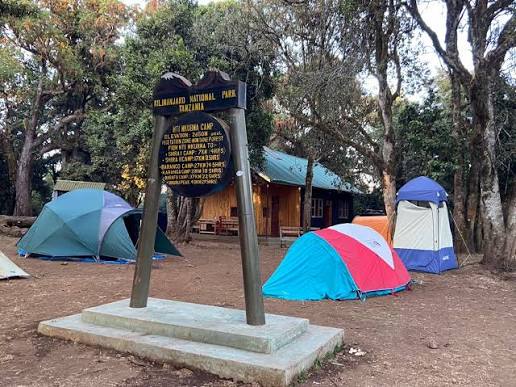
Mti Mkubwa Camp, also known as Big Tree Camp or Forest Camp, is the first overnight stop on the Lemosho Route, one of Mount Kilimanjaro’s most scenic paths. Situated at 2,780