Barranco Wall Kilimanjaro
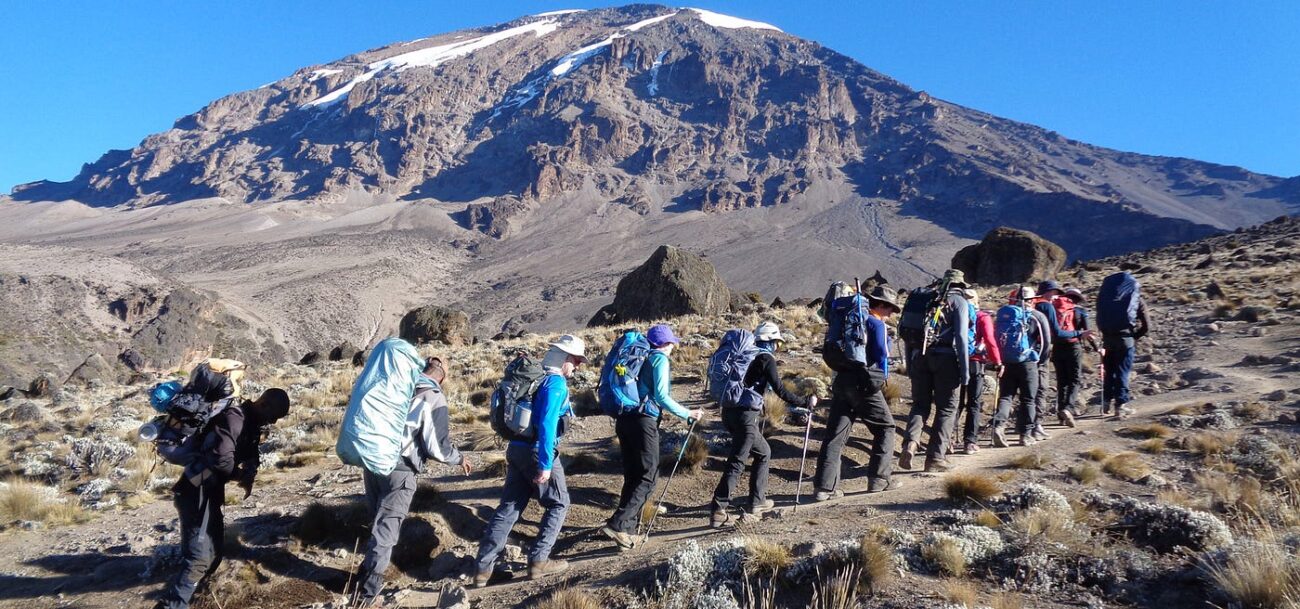
The Barranco Wall is one of Mount Kilimanjaro’s most iconic features, presenting a significant challenge on the southern circuit routes. Rising 257 meters (843 feet) above the Barranco Valley, it was formed by ancient volcanic activity that also shaped the Kibo Crater. Over thousands of years, weathering and erosion sculpted the ridge into its current dramatic form.
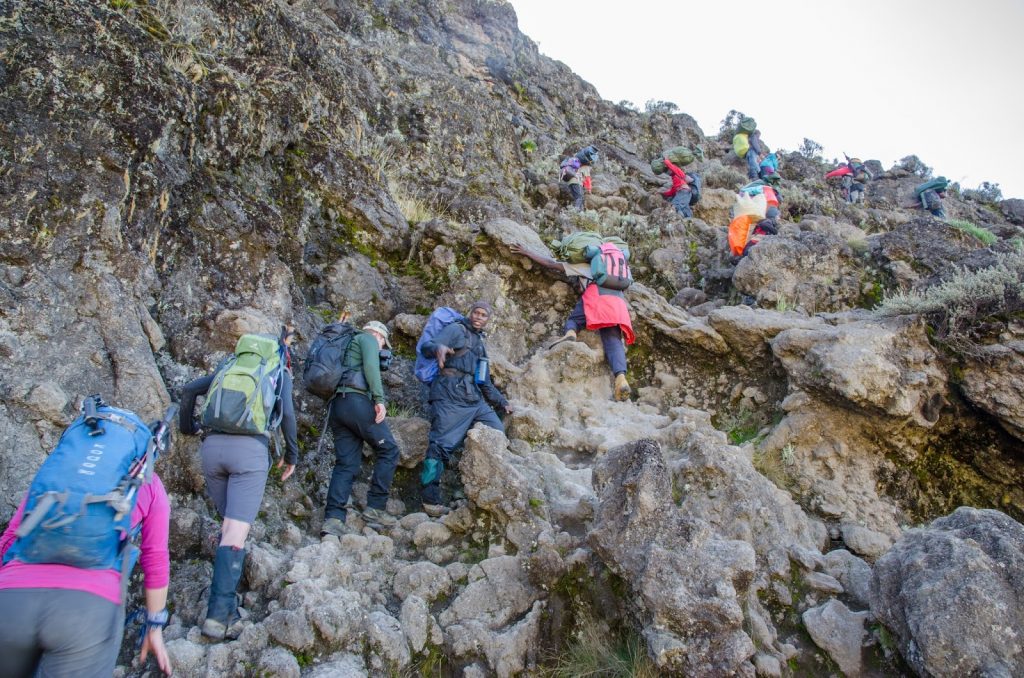
For those on the Machame, Lemosho, Umbwe, and Shira routes, the Barranco Wall is both a challenge and a highlight. This section requires climbers to use both hands and feet to scramble over rocks and navigate narrow ledges. Although the wall appears intimidating from a distance, most climbers find the experience exhilarating.
The Barranco Wall is more than an obstacle; it is a rite of passage on Kilimanjaro’s southern circuit. Here, teams bond, friendships form, and climbers discover new reserves of strength. For many, conquering the Barranco Wall is as memorable as reaching Uhuru Peak.
Barranco Wall Location and Significance
Geographic Position
The Barranco Wall is located on the southern slopes of Kibo, forming a natural barrier that climbers must cross en route to the summit. It sits close to the Barranco campsite, making it a logical next step in most itineraries.
The wall marks the transition between Kilimanjaro’s alpine desert and moorland zones. Climbers experience hardy moorland vegetation at the base, which gives way to the rocky terrain of the alpine desert as they ascend.
Formation and Geology
The Barranco Wall was formed by the same volcanic forces that created Mount Kilimanjaro. Lava from Kibo cooled on its slopes, forming layers of volcanic rock that, over time, weathered into the ridge seen today. Erosion further shaped the ledges, boulders, and narrow paths climbers now navigate.
In terms of height, the Barranco Wall slope ranks second only to the final ascent to Kibo or Mawenzi, which together form the three peaks of Mount Kilimanjaro on summit day. This gives climbers a taste of the steepness and challenge they’ll face on the final summit push.
Routes That Include the Barranco Wall
The Barranco Wall is encountered by climbers on the following routes:
- Machame Route: The most popular route, which includes the wall on day 3 or 4
- Lemosho Route: The scenic route that merges with Machame near Lava Tower
- Umbwe Route: The challenging, direct route
- Shira Route: The original western approach
Routes that do not include the Barranco Wall include:
- Marangu Route: The hut-based route on the eastern side
- Rongai Route: The northern approach route
- Northern Circuit Route: The long route that circles the mountain
Barranco Wall Map
How to Climb the Barranco Wall
The Climbing Experience
Climbing the Barranco Wall involves hiking over rock formations, using ledges for support, and pulling yourself upward. While the steepness can be challenging, no technical skills or specialized equipment are required.
The trail follows a winding path with minimal slope, guiding climbers through switchbacks and natural ledges. This unique scrambling experience is a memorable highlight for most trekkers.
How long does it take to climb the Barranco Wall?
Climbing the Barranco Wall typically takes approximately 1-2 hours, depending on your fitness level, pace, and trail conditions. During busy periods, the climb can feel “packed” as teams wait for climbers ahead to negotiate tight passages, which can extend the time. However, most climbers find the wait worthwhile for the views and the sense of camaraderie that develops.
What to Expect when climbing the Barranco Wall
During the ascent, you can expect:
- Scrambling: Using your hands, knees, and even your head to climb steep slopes
- Narrow passages: Some sections are tight and require careful navigation
- Breathtaking views: The panoramas along the entire wall are spectacular
- Supportive atmosphere: Fellow climbers often offer encouragement
- Kissing Rock: The famous narrow section where you must “hug” the rock
Barranco Wall Difficulty and Safety
How Hard Is the Barranco Wall?
Despite being one of the most difficult, Kissing Rock: The well-known narrow section where you must “hug” the rock is not as difficult as it appears from a distance. Many climbers report that it was one of the most enjoyable experiences of their entire ascent of Kilimanjaro.
The wall does not require any technical climbing skills or specialized equipment. The trail follows a safe, winding path that minimizes the steepness and maximizes safety. The climb is essentially a low-level scrambling activity—more challenging than regular hiking but far from technical rock climbing.
What makes the Barranco Wall challenging for some climbers is:
- Physical effort: The steep ascent requires good leg strength and stamina
- Altitude: At nearly 4,000 meters, the thinner air makes exertion more difficult
- Exposure: Some sections have drops that can feel intimidating
- Crowds: During peak seasons, waiting for other groups can be frustrating
Is the Barranco Wall Dangerous?
The Barranco Wall is not very dangerous overall. While there are certain stretches where caution is advised, fatalities on the wall are extremely rare. The maThe Barranco Wall is generally not dangerous. While some sections require caution, fatalities are extremely rare. The primary risk on Mount Kilimanjaro is altitude sickness (AMS), not falls from the Barranco Wall.
- Weather: Rain or sleet can make the rocks slippery
- Fatigue: Tired climbers may be more prone to slips
If you follow your guide’s advice and guidelines, you should be perfectly fine. Remember, climbing Kilimanjaro is not a 100-meter dash; it’s a marathon meant to test your endurance, so take it slowly.
Can You Die While Climbing the Barranco Wall?
The main cause of death on Mount Kilimanjaro is altitude sickness, not falling off the Barranco Wall. While falls are possible on any mountain, the Barranco Wall route is well-established and regularly used by thousands of climbers each year without serious incident. With proper guidance and caution, the wall is a safe and enjoyable part of the Kilimanjaro experience.
Barranco Wall: The Kissing Rock
What Is the Kissing Rock?
One of the most famous features of the Barranco Wall is the “Kissing Rock,” also known as the “Hugging Wall.” This section is near the top of the Barranco Wall, where the path narrows, and the only option is to hold onto the rock face.
Climbers must hug the rock closely, which gives the section its name. Many trekkers find this part intimidating, but it can be navigated safely with the right approach.
How to Navigate the Kissing Rock
Although the Kissing Rock section may appear intimidating, it is manageable with proper technique:
- Follow your guide: Your experienced guide has navigated this section many times.
- Keep a firm grip: Hold onto the rock face for stability.
- Step carefully: Find secure footholds before moving.
- Don’t rush: Take your time to ensure each step is secure.
- Stay calm: The rock is not as scary as it appears. Stay calm: The section is less daunting than it appears. The Barranco Wall climb offers a unique experience that climbers remember long after their Kilimanjaro expedition.
Tips for Climbing the Barranco Wall
Practical Advice
- Go Slowly:
Don’t rush or exhaust yourself. The greatest strategy is to go slowly and steadily, or “pole-pole,” as they say in Swahili. Maintaining a steady pace helps conserve energy throughout the climb.
- Listen to Your Guide:
Your guide has scaled the Barranco Wall many times and can offer valuable guidance on balance, hand placement, and navigation. Pay close attention to their instructions.
- Secure Your Trekking Poles:
Do not use your trekking poles on the Barranco Wall. Instead, secure them to your pack so you can use your hands freely when needed. Having both hands available for balance and climbing is essential.
- Don’t Be Afraid:
Many climbers report that the Barranco Wall was one of the most enjoyable experiences of their whole Kilimanjaro ascent. Trust that it is not as difficult as it appears from a distance.
- Be Patient on Crowded Sections:
The climb can feel “packed” during busy times as you wait for teams ahead to negotiate tight passages. Maintaining a positive attitude is important for both you and other climbers.
- Use Good Scrambling Technique:
Scrambling involves using your hands, knees, and feet to climb a steep slope. The Barranco Wall is a low-level scrambling activity that doesn’t require specialized gear or safety precautions.
- Appreciate the Views:
Spend some time admiring the scenery—the panoramas along the entire Barranco Wall are breathtaking. Don’t rush through the experience; take time to appreciate where you are.
- Celebrate Your Achievement:
When you reach the top, take a picture of yourself (or your squad, or perhaps a few new acquaintances). Be proud of yourself for completing this task successfully.
When Do You Climb the Barranco Wall?
Timing on Different Routes
Climbers typically climb the Barranco Wall on the third or fourth day of their expedition, depending on the route and itinerary:
- Machame Route (7 days): Day 3 or 4, depending on the itinerary
- Lemosho Route (8 days): Day 4 or 5
- Umbwe Route (6 days): Day 2 or 3
The climb usually happens in the morning or early afternoon, allowing climbers to reach the top and continue to Karanga Camp (or Barranco Camp, depending on the itinerary) before evening.
Best Time to Climb the Barranco Wall
Since the Lemosho, Machame, and Umbwe routes include the Barranco Wall in their itineraries, we recommend climbing during the dry seasons:
- Late December to early March: Warm, clear conditions
- Early June to late September: Stable weather with minimal rain
If you intend to climb Kilimanjaro in April, May, October, or November (the rainy seasons), consider the Marangu or Rongai routes, which avoid the Barranco Wall and offer more favorable conditions in wet weather.
Barranco Wall Vegetation, Weather, and Conditions
Vegetation Zone
The Barranco Wall lies at the border between Mount Kilimanjaro’s alpine desert and moorland vegetation regions. This transitional zone means:
- At the base: Some hardy plants and shrubs still grow.
- On the wall: Vegetation is sparse due to the steep rock face.
- At the top: The landscape transitions into the alpine desert.
Weather Conditions
Fog is common in the early mornings, sometimes obscuring views and making the climb feel more dramatic. The area also receives a small amount of rainfall or sleet, making the climb a little challenging, especially in the mornings. Conditions can change quickly, so being prepared for various weather scenarios is essential.
Trail Conditions
The trail can vary significantly depending on weather:
- Dry conditions: Dusty rocks with good grip
- Wet conditions: Slippery rocks require extra caution
- Crowded conditions: Waiting times at narrow sections
What Makes the Barranco Wall Unique?
A Social Experience
One of the most distinctive aspects of the Barranco Wall is the social experience it creates. Several climbing teams often gather here and ascend the wall simultaneously, creating a sense of togetherness and shared purpose.
Facing the Barranco Wall together often creates a unique bond among climbers. Teams may encourage each other, and it is common for groups to take photos together to commemorate new friendships formed during the ascent.
A Test of Character
The Barranco Wall tests climbers in ways that other parts of the mountain don’t. It’s not just about physical endurance—it’s about facing an intimidating challenge, trusting your abilities, and pushing through. Many climbers find that conquering the wall gives them confidence for the summit attempt.
A Highlight of the Ascent
For many, the Barranco Wall is as memorable as the summit itself. Its combination of physical challenge, spectacular views, and unique scrambling creates lasting memories.
Frequently Asked Questions About the Barranco Wall
What Is the Barranco Wall?
The Barranco Wall is a 257-meter (843-foot) volcanic ridge on Mount Kilimanjaro’s southern side, forming part of the Machame, Lemosho, Umbwe, and Shira routes. It requires climbers to scramble over rock formations using both hands and feet.
How High Is the Barranco Wall?
The Barranco Wall rises 257 meters (843 feet) above the Barranco Valley, located on the southern side of Kibo’s foot slopes.
Which Routes Include the Barranco Wall?
The Machame, Lemosho, Umbwe, and Shira routes all include the Barranco Wall. The Marangu, Rongai, and Northern Circuit routes do not include this feature.
How Long Does It Take to Climb the Barranco Wall?
Climbing the Barranco Wall typically takes approximately 1-2 hours, depending on fitness level, pace, and trail conditions.
Is the Barranco Wall Dangerous?
The Barranco Wall is not very dangerous overall. While caution is advised on certain sections, the main cause of death on Kilimanjaro is altitude sickness, not falls from the wall.
What Is the Kissing Rock?
The Kissing Rock is a narrow section near the top of the Barranco Wall where climbers must “hug” the rock face so closely they are almost kissing it. It’s one of the most memorable parts of the climb.
Do I Need Technical Skills to Climb the Barranco Wall?
No. The Barranco Wall requires no technical climbing skills or specialized equipment. It’s a low-level scrambling activity suitable for non-technical climbers.
Can I Avoid the Barranco Wall?
Yes. If you are concerned about the Barranco Wall, consider the Marangu, Rongai, or Northern Circuit routes, which do not include this section. You can still achieve your goal of climbing Kilimanjaro without it.
Conclusion: The Barranco Wall Challenge
The Barranco Wall is one of Mount Kilimanjaro’s most iconic features, offering a thrilling scramble that challenges climbers, fosters camaraderie, and provides spectacular views. Although it may appear intimidating, most climbers find it highly enjoyable.
The wall is more than an obstacle; it is a rite of passage on the southern circuit routes. It is where climbers discover their capabilities, teams bond, and the mountain’s character is revealed. For many, conquering the Barranco Wall is as significant as reaching Uhuru Peak.
If you are planning a Kilimanjaro climb on the Machame, Lemosho, or Umbwe routes, embrace the Barranco Wall experience. With proper preparation, a positive attitude, and guidance from experienced guides, the wall will be both manageable and unforgettable.
Plan Your Kilimanjaro Trek Today
The Barranco Wall is an unforgettable part of the Kilimanjaro climbing experience on the southern circuit routes. Our expert team designs personalized itineraries that include this iconic feature, ensuring you have the best possible experience on the mountain.
Contact us to discuss your Kilimanjaro climb, customize your itinerary, or combine your mountain adventure with a Tanzanian safari. The summit of Africa awaits—let us help you conquer it.
Mount Kilimanjaro Tour Packages
Nothing Found