Northern Circuit Route KILIMANJARO

The Northern Circuit Route is the newest trail on Mount Kilimanjaro, offering a 9-day climb with breathtaking scenery, solitude, abundant wildlife, and a high summit success rate.

It follows the Lemosho Route up the western slopes to the Shira Plateau, then turns onto the northern trails. The path circles the summit clockwise, offering 360-degree views before joining the Rongai Route for the final climb.

The Northern Circuit Route is ideal for travelers with time to fully immerse themselves in the mountain’s majesty and hidden views. While the longer duration requires more commitment, those who choose this trail consistently find it highly rewarding.

The route’s design prioritizes acclimatization, with much of the journey spent at consistent altitudes to allow the body to adapt gradually. Combined with the longer duration, this has made the Northern Circuit the gold standard for Kilimanjaro climbing, with success rates near 100%.
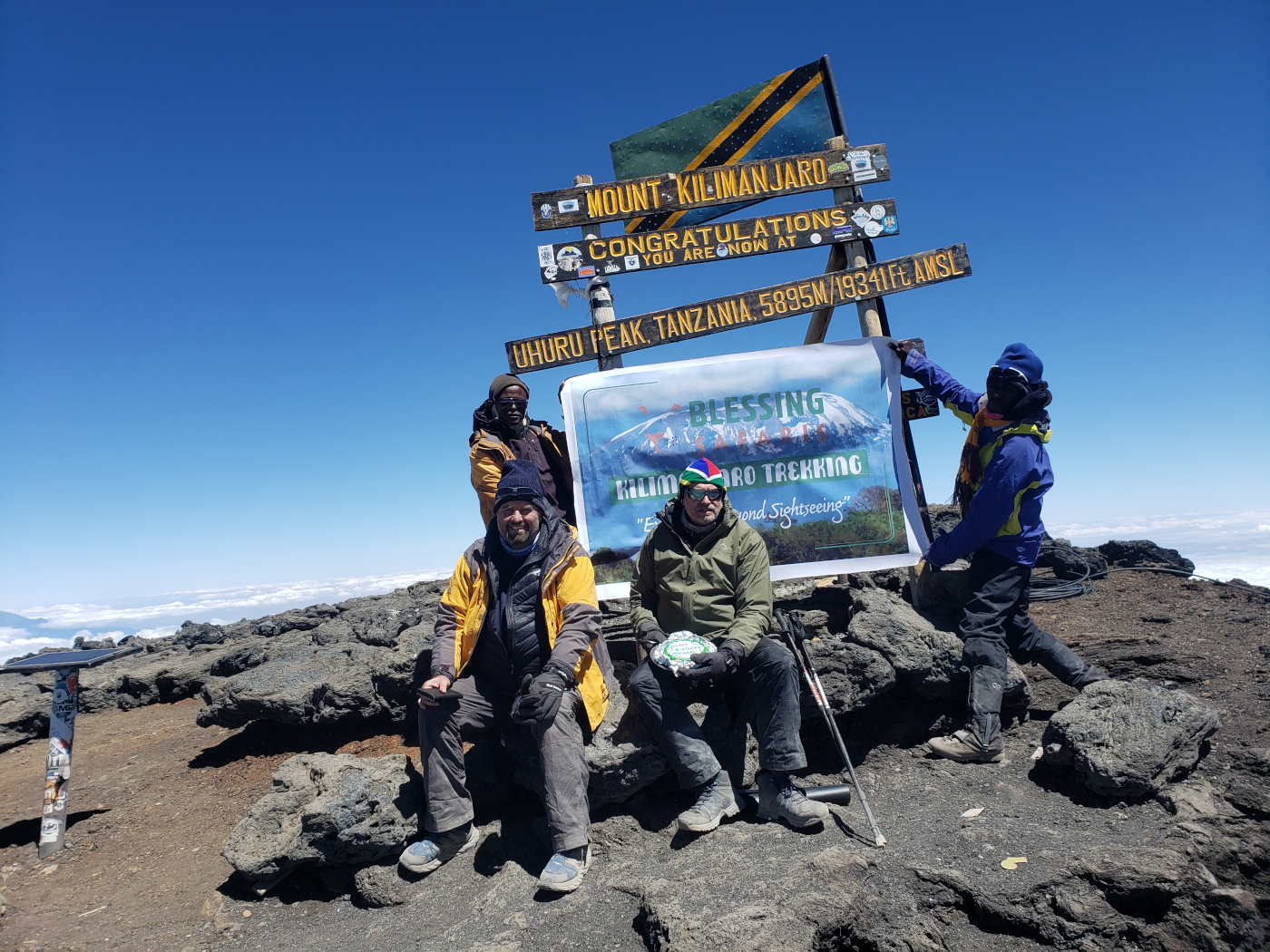
mount Kilimanjaro

Why Choose the Northern Circuit Route

The Northern Circuit Route offers a 9-day Kilimanjaro experience with advantages no other trail can match. Its unique features create an experience truly in a league of its own.

Highest Summit Success Rates

The Northern Circuit Route boasts the highest summit success rates on Kilimanjaro, with climbers achieving about 98% success. This reflects the route’s superior acclimatization and longer duration.

The secret lies in the itinerary’s careful design. Unlike shorter routes that force climbers to gain altitude too quickly, the Northern Circuit provides ample time for adaptation. Days allow gradual elevation gain with plenty of rest and recovery.

Expert operators report over 98% summit success for the Northern Circuit Route, making it a highly reliable path to Uhuru Peak.

True Solitude and Wilderness Experience

The Northern Circuit Route offers something rare on Kilimanjaro—genuine solitude. For several days, you’ll traverse remote northern slopes where few trekkers go, enjoying peaceful campsites and undisturbed wilderness.

This isolation offers opportunities for wildlife encounters uncommon on busier routes. The shy eland, Kilimanjaro’s largest antelope, is often spotted on the northern slopes, as are occasional buffalo that lick minerals from natural caves.

The quiet trails also increase the chances of bird and other wildlife sightings.

The sense of wilderness is strong. With no other climbers in sight, you can develop a deeper connection to the mountain than on more crowded routes.

360-Degree Views of Mount Kilimanjaro

The Northern Circuit Route offers comprehensive views of Kilimanjaro. Over nine days, you will experience perspectives ranging from the western rainforest to the northern plains, the Shira Plateau, and the eastern approaches.
Highlights include:
  • Shira Plateau: Ancient caldera with sweeping views of Kibo Peak
  • Northern Slopes: Rare perspectives of the mountain from the Kenyan border
  • 360-Degree Panoramas: Unobstructed views of Kilimanjaro from every angle
  • Mawenzi Peak: Close-up views of this spectacular, jagged summit
  • Kibo’s Glaciers: Dramatic ice formations visible from multiple perspectives

Complete Acclimatization Experience

The Northern Circuit Route’s extended length allows for thorough acclimatization. Much of the trek is at similar altitudes, enabling gradual adaptation without rapid elevation gain.

This approach reduces altitude sickness symptoms and improves comfort throughout the climb. Climbers often feel stronger and more energetic, allowing them to enjoy the experience.

The additional days provide flexibility in the itinerary. If weather or individual needs require adjustments, the schedule can accommodate them.

Northern Circuit Route Scenery and Wildlife

The Northern Circuit Route features diverse landscapes, showcasing Kilimanjaro from multiple perspectives. The journey reveals scenery that most climbers do not encounter.

Rainforest to Shira Plateau

The trek begins in the Lemosho forest, where mosses and colorful flowers are abundant. Bird calls are common, and black-and-white colobus monkeys can be seen in the canopy. The trail transitions into the Hagenia zone, where views open up.

Crossing the Shira Plateau offers notable scenery. This ancient caldera stretches across the western slopes, providing relatively flat hiking through unique landscapes. Views of Kibo Peak dominate the eastern horizon.

Remote Northern Slopes

After Moir Camp, the Northern Circuit follows little-used northern trails, offering a genuine wilderness experience.

The northern slopes are more arid and austere than the southern approaches, with a stark beauty that’s deeply appealing.

The scenery reveals Kilimanjaro’s volcanic origins, with dramatic rock formations and sweeping views across the plains toward Kenya. This remote section often offers opportunities to spot shy eland and occasionally buffalo.

The Saddle and Summit Views

The approach through the Saddle, the high-altitude plain between Mawenzi and Kibo, features lunar landscapes and views of both peaks. The final ascent from School Hut offers additional perspectives before the summit.

From Uhuru Peak, you will see 360-degree views of the crater, the plains of Tanzania and Kenya, and the surrounding mountains.

Northern Circuit Route 9-Day Detailed Itinerary

Day 1: Londorossi Gate to Forest Camp

Your Northern Circuit adventure begins with a scenic drive from Arusha to Londorossi Gate on the mountain’s western side. After registering with park officials, you’ll begin hiking through the lush Lemosho forest, where exotic moss, colorful flowers, and bird calls set the tone for the journey ahead. This 4-5 hour hike brings you to Forest Camp (2,895 meters / 9,498 feet) for your first night.

Day 2: Forest Camp to Shira 1 Camp

As you leave the forest and enter the Hagenia zone, the views open dramatically. This 6-9 hour hike provides excellent acclimatization, with ridges offering panoramic views of Kibo Peak. You’ll reach Shira 1 Camp (3,505 meters / 11,500 feet) in time for spectacular sunset views.

Day 3: Shira 1 Camp to Moir Camp

Today you’ll traverse the heath zone of the Shira Plateau and climb the western slope of the Kibo Massif. A picnic lunch at Scott Fisher Memorial Camp honors the famous Everest guide before you continue to Moir Camp (4,140 meters / 13,580 feet). This 5-6-hour trek leaves room for afternoon acclimatization hikes if the weather permits.

Day 4: Moir Camp to Buffalo Camp

This 5-7-hour hike involves a significant climb from Moir Camp. Starting slowly until you crest the ridge helps manage the ascent. Buffalo Camp (4,025 meters / 13,200 feet) offers excellent acclimatization opportunities and fantastic views.

Day 5: Buffalo Camp to Third Cave Camp

Continue your traverse around Kilimanjaro’s northern side, taking in expansive views as you make your way to Third Cave Camp (3,870 meters / 12,700 feet). This 5-7-hour hike covers the route’s remotest section and may offer wildlife sightings.

Day 6: Third Cave Camp to School Hut

Today you’ll reach your highest-elevation camp. School Hut (4,755 meters / 15,600 feet) sits near the summit route, providing a solid base for your midnight ascent. This 4-5-hour hike leaves time to rest before the challenging summit night.

Day 7: Summit Day and Mweka Camp

Summit day begins around midnight. You will ascend for 6-7 hours to Gilman’s Point, traverse the crater rim, and continue another 1-2 hours to Uhuru Peak (5,895 meters / 19,341 feet).

After reaching the summit, descend to Barafu Camp for lunch, then continue to Mweka Camp (3,100 meters / 10,065 feet). This day typically lasts 13-17 hours.

Day 8: Mweka Camp to Mweka Gate

The final 3-5 hour descent through the rainforest brings you to Mweka Gate (1,640 meters / 5,000 feet). Here you’ll receive your summit certificate, say farewell to your crew, and drive back to Arusha.

Northern Circuit Route Difficulty and Physical Requirements

Despite being the longest route on Kilimanjaro, the Northern Circuit is considered one of the least physically demanding due to its exceptional acclimatization profile.

Physical Fitness Considerations

The extended itinerary allows comfortable daily stages with no extreme elevation gains. However, the trek’s length means you’ll be on the mountain for over a week, requiring good cardiovascular fitness and stamina.

Begin training 2-3 months before your climb, focusing on long hikes, stair climbing, and aerobic exercise. The extra days on the mountain make this route accessible to determined first-timers with good fitness.

Altitude Management

The Northern Circuit’s careful design provides the best altitude adaptation available on Kilimanjaro. The gradual elevation gain and “climb high, sleep low” days help your body produce more red blood cells, improving oxygen delivery.

This approach significantly reduces altitude sickness symptoms, allowing you to enjoy the climb.

Mental Preparation

The extended duration requires both mental stamina and physical fitness. Maintaining a positive attitude throughout the 9-day journey helps you fully appreciate the experience. The sense of achievement upon reaching Uhuru Peak is profoundly rewarding after such a comprehensive expedition.

Northern Circuit Route Summit Success Rates

The Northern Circuit Route has the highest summit success rates on Kilimanjaro, with about 90% of climbers reaching Uhuru Peak across all operators. Expert guides report over 98% success.

This exceptional performance reflects the route’s superior design, with:
  • Longer duration providing optimal acclimatization
  • Gradual elevation gain reduces the risk of altitude sickness.
  • Integrated rest days allowing physiological adaptation
  • Experienced guides manage the climb effectively.
Compared to shorter routes, the Northern Circuit improves summit success rates by 10-15% over the Machame Route and nearly 50% over the 5-day Marangu Route.

Comparing the Northern Circuit with Other Kilimanjaro Routes

Northern Circuit vs. Lemosho Route

Both routes share the western approach and the Shira Plateau crossing. However, the Northern Circuit diverges northward, offering a 360-degree experience and superior acclimatization. The Lemosho Route takes 7-8 days, while the Northern Circuit takes 9 days.

Northern Circuit vs Machame Route

The Machame Route offers dramatic scenery but is more crowded and allows less time for acclimatization. The Northern Circuit provides greater solitude and higher success rates. Both routes use the Mweka descent, but the Northern Circuit’s northern loop offers unique perspectives.

Northern Circuit vs. Rongai Route

The Rongai Route approaches from the north, offering solitude and dry conditions. The Northern Circuit includes Rongai’s final approach but offers better acclimatization and a longer duration, which improves summit success.

Northern Circuit vs. Marangu Route

The Marangu Route offers hut accommodation but lower success rates and less scenic variety. The Northern Circuit offers wilderness camping, superior acclimatization, and much higher success rates. The Northern Circuit’s extended duration requires more time but delivers better results.

Best Time to Climb the Northern Circuit Route

The Northern Circuit Route is accessible year-round, with some seasons offering optimal conditions:
  • July to September: Best overall weather with stable conditions
  • January to February: Warm, clear days with excellent visibility
  • October: Good conditions with moderate traffic
April and May are the rainy season. The Northern Circuit’s western and northern approach often has better conditions than southern routes, but precipitation and muddy trails are still possible.

Frequently Asked Questions About the Northern Circuit Route

How Difficult Is the Northern Circuit Route?

The Northern Circuit is considered one of the least difficult routes on Kilimanjaro due to its extended acclimatization profile. The longer itinerary allows gradual altitude adaptation, making the physical challenge more manageable. However, the 9-day duration requires commitment and good fitness.

How Long Is the Northern Circuit Route?

The Northern Circuit covers approximately 88 kilometers (53 miles) from the trailhead to the summit at Mweka Gate. The minimum duration is 8 days, though the 9-day itinerary is recommended for optimal acclimatization. When factoring in arrival and departure days, plan for approximately 10-12 days in Tanzania.

What Is the Summit Success Rate on the Northern Circuit Route?

The Northern Circuit has the highest summit success rates on Kilimanjaro, with about 90% across all operators and over 98% with expert guides.

What Scenery Can I Expect on the Northern Circuit Route?

The Northern Circuit offers 360-degree views of Kilimanjaro, crossing the Shira Plateau, remote northern slopes, and approaching from the east. Scenery includes rainforest, heath, moorland, alpine desert, and glacial zones. Wildlife sightings may include colobus monkeys, eland, and occasionally buffalo.

When Is the Best Time to Trek the Northern Circuit Route?

July-September offers the best conditions. January-February provides warm, clear weather. The route is suitable year-round, but April and May are best avoided due to heavy rains. Read more about the best time to climb  Kilimanjaro 

Plan Your Northern Circuit Route Adventure Today

The Northern Circuit Route combines outstanding scenery, solitude, thorough acclimatization, and the highest summit success rates on Kilimanjaro. This 9-day journey offers a comprehensive climbing experience.

Our expert team designs personalized Northern Circuit expeditions with a focus on your safety, comfort, and summit success. We provide experienced guides, quality equipment, and comprehensive support throughout your Kilimanjaro climbing journey.

Contact us to discuss your Northern Circuit climb, customize your itinerary, or combine your Kilimanjaro adventure with a Tanzanian safari. Let us help you reach Africa’s highest peak. BOOK YOUR TREK NOW

Mount Kilimanjaro Tour Packages

Nothing Found
Best Articles for Mount Kilimanjaro

  • From

    Best Time to Climb Mount Kilimanjaro 2026

  • From

    The Best Mountains to Visit in Tanzania

  • From

    How Hard is Kilimanjaro ?

Meet Elibariki,

Your Trekking Specialist

+255 742 696 430
(Call or WhatsApp)

Meet Elibariki,

Your Trekking Specialist

+255 742 696 430
(Call or WhatsApp)

Enquire Now

CAPTCHA image

This helps us prevent spam, thank you.

Customer Reviews