Table of Contents
- Explore Tanzania’s Best Mountains To Visit
- Mount Kilimanjaro: Africa’s Highest Peak ( 5,895m)
- Mount Meru: An Ideal Trek Before Attempting Kilimanjaro
- Ol Doinyo Lengai: The Mountain of God Known for Its Unique Volcanic Activity
- Usambara Mountain Range: A Place Where Culture Intersects with Nature
- Udzungwa Mountains National Park
- Mahale Mountains: Trekking with Chimpanzees
- Rungwe Mountain: A Demanding Day Hike for Seasoned Trekkers
- Table 1: Mountains in Tanzania
- Frequently Asked Questions (FAQs)
- Conclusion
- Are you ready for the Mount Kilimanjaro climbing challenge? If yes, book one of these packages
Explore Tanzania’s Best Mountains To Visit
When people think of Tanzania, Mount Kilimanjaro is usually the first image that comes to mind, as Africa’s highest peak and a globally renowned mountain.
This is understandable because Kilimanjaro is a popular bucket-list destination that attracts thousands of adventurers annually, all eager to stand atop Africa’s highest point and feel the excitement of conquering one of the world’s legendary Seven Summits.
Many travelers overlook an important fact: Tanzania hosts some of the world’s most diverse mountain habitats, with trekking options that go well beyond its iconic snow-capped summit.
This East African country is a haven for mountaineers, hikers, and nature enthusiasts, featuring everything from towering active volcanoes to lush rainforests filled with rare wildlife.
Whether you’re an experienced climber seeking your next challenge or a casual trekker looking to enjoy a day hike with spectacular views, Tanzania has something special in store for you.
Tanzania offers an incredible variety of trekking experiences. One day, you can ascend a mountain; the next, unwind on a pristine beach.
You might hike through dense forests where chimpanzees swing through the trees, explore alpine meadows with stunning views, or stand atop a still-active volcano.
The variety is remarkable, ensuring unforgettable memories that will last a lifetime.
This comprehensive guide introduces the top mountains to explore in Tanzania, including details on trekking routes, wildlife encounters, cultural experiences, and ideal times to visit.
It features the iconic Kilimanjaro, the lesser-known Mount Meru, the distinctive Ol Doinyo Lengai, and other remarkable sites that every trekker should consider.
Before we begin, here’s a useful tip: many of these mountains are located in protected national parks, which often require permits and fees.
We advise checking the current park fees in advance, as prices and regulations may change. Proper preparation will help make sure your adventure goes smoothly from beginning to end.
Mount Kilimanjaro: Africa’s Highest Peak ( 5,895m)
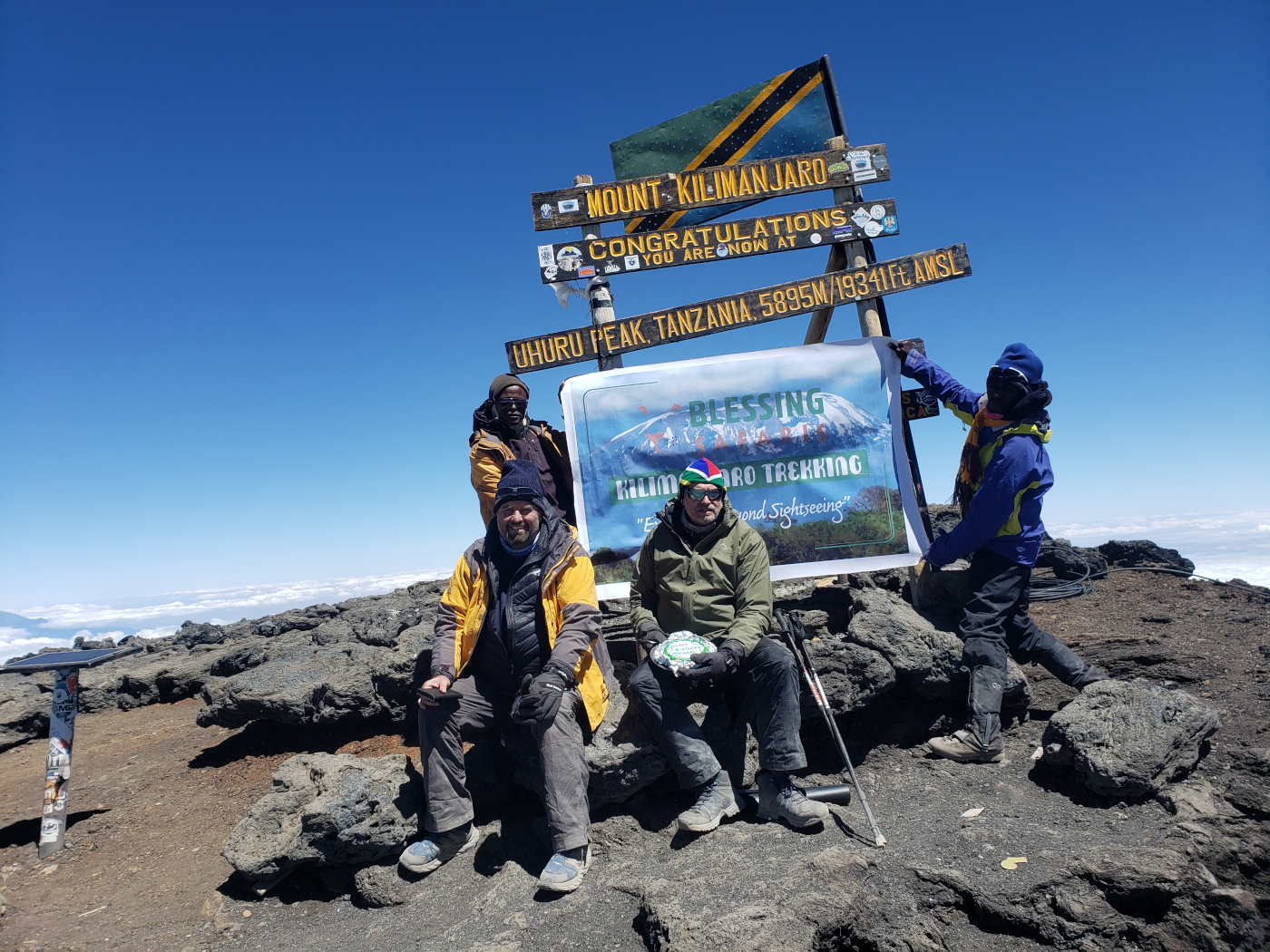
Let’s start with the big one – the mountain that put Tanzania on the global trekking map. Mount Kilimanjaro is Africa’s highest peak, standing at an impressive 5,895 meters above sea level, and it’s among the most sought-after mountaineering experiences on the planet.
As one of the prestigious Seven Summits, Kilimanjaro draws trekkers from every corner of the globe, eager to test their limits and experience the thrill of standing on the highest point in Africa.
What Makes Kilimanjaro So Special
Kilimanjaro stands out from many high-altitude peaks because it doesn’t demand technical climbing skills. There’s no need for ropes, harnesses, or ice axes—it’s primarily a trekking mountain rather than a technical climb, making it reachable for anyone in good shape, well-prepared, and motivated.
This ease of access contributes to its popularity, allowing people from diverse backgrounds to enjoy the wonder of high-altitude hiking.
That said, we must be honest—Kilimanjaro is no easy trek. The biggest obstacle is the altitude, and the summit night is notoriously tough.
You’ll walk in freezing conditions, often in the dark, with thin air that makes each step feel like a major effort.
However, with proper preparation, the right mindset, and a supportive team, most people can reach the summit.
When you finally stand at Uhuru Peak and see the sunrise over the African plains, you’ll understand why so many call it a life-changing experience.
Selecting Your Route: Six Ways to Reach the Peak of Kilimanjaro
Choosing your route is one of the most critical decisions when planning your Kilimanjaro trip. The mountain offers six main routes, each with unique features, varying difficulty levels, and success rates. The Machame Route stands out as the most popular option, celebrated for its breathtaking scenery and higher likelihood of success.
It’s often dubbed the “Whiskey Route” because it’s more challenging than the Marangu Route, known as the “Coca-Cola Route,” which offers hut accommodations and a gentler ascent.
If you have extra time and want to boost your chances of success, the Lemosho Route is a great option. Its longer duration allows for better acclimatization, significantly increasing the likelihood of reaching the summit.
The Rongai Route approaches from the north and is the only route on that side, providing a different perspective and fewer crowds. The Shira Route begins at a high altitude and offers stunning views, while the Umbwe Route, the steepest and most difficult, is ideal for experienced trekkers seeking a greater challenge.
The Five Climate Zones of Mount Kilimanjaro
A key highlight of climbing Kilimanjaro is navigating through five distinct climate zones. As you go higher, you’ll pass lush rainforests with colobus monkeys, then traverse moorland and alpine desert, and ultimately reach the icy summit.
Each zone offers its own beauty, making the journey dynamic and engaging. The changing scenery gives the impression of traveling from the equator to the North Pole in a few days, exposing you to a wide range of ecosystems.
When to Climb Kilimanjaro
The best times to climb Kilimanjaro are January through March and June through October. During these periods, the weather is typically clear and dry, giving you the best chance of reaching the summit. The rainy seasons, from April to May and November to December, can make the trails treacherous and the views disappointing. Many trekkers prefer July and August, when the skies are crystal clear, and the views are at their best.
Practical Tips for Success on Climbing Mount Kilimanjaro
Reaching the summit on Kilimanjaro depends on three key factors: fitness, preparation, and attitude. While you don’t have to be a pro athlete, being in good shape is crucial. Begin your training several months early, emphasizing cardiovascular health, leg strength, and endurance.
Equally important is having proper gear—layered warm clothing, a reliable sleeping bag, durable hiking boots, and trekking poles—as they can significantly enhance your experience.
Most importantly, listen to your body’s signals. Altitude sickness is a serious threat, so ascend slowly and stay hydrated. Follow your guides’ advice, avoid pushing yourself too hard, and with good preparation and a positive attitude, reaching Kilimanjaro’s summit is achievable and will create lasting memories.
Mount Meru: An Ideal Trek Before Attempting Kilimanjaro
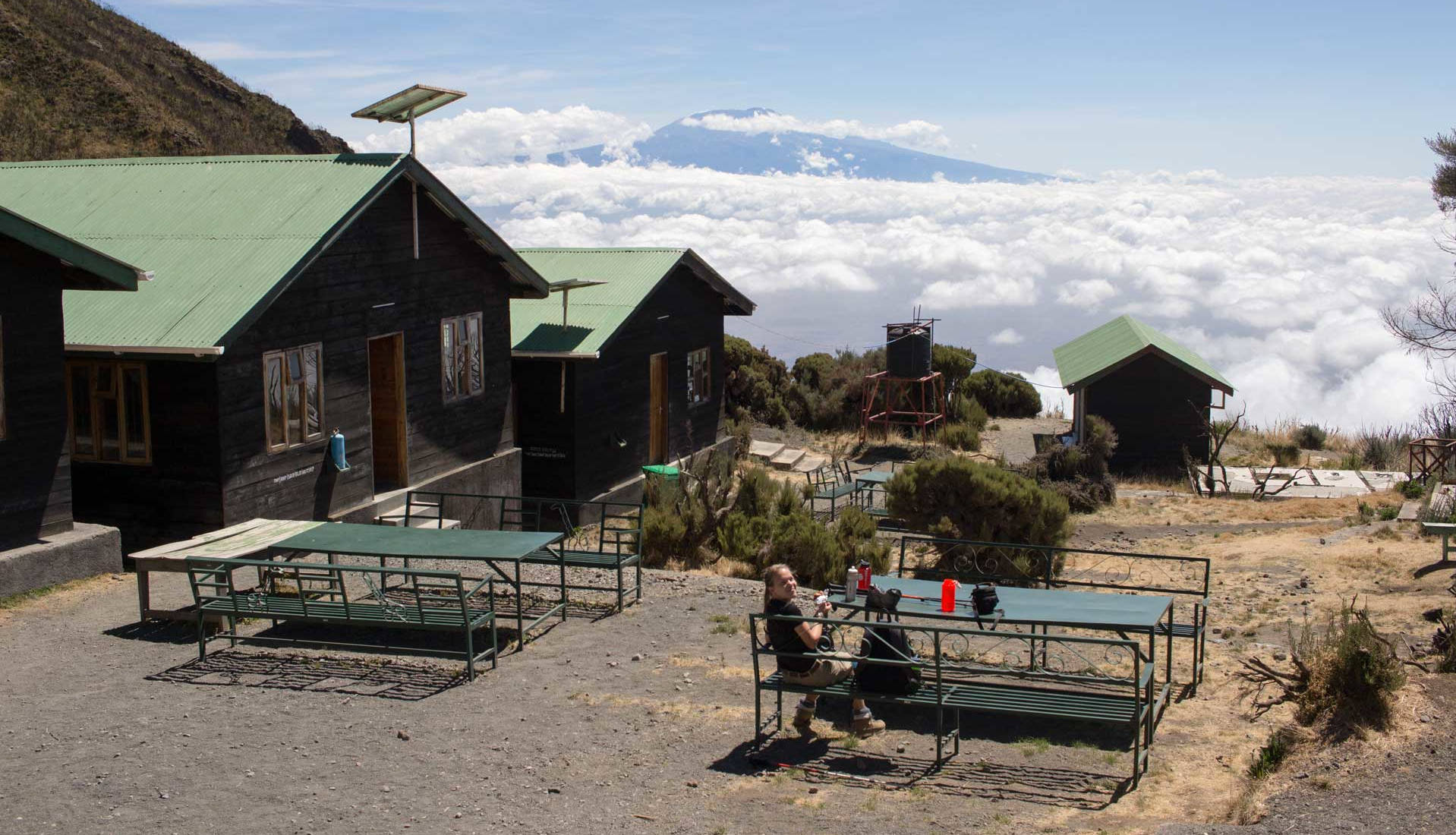
If you’re preparing to climb Kilimanjaro, we strongly suggest beginning with Mount Meru. This dormant volcano reaches 4,566 meters, making it Tanzania’s second-highest peak.
It offers a remarkable trekking adventure in its own right. Situated in Arusha National Park, Mount Meru is often considered an ideal acclimatization hike for Kilimanjaro, yet it truly merits far more recognition.
Reasons Mount Meru Should Be Included in Your Travel Plan
Mount Meru stands out as a world-class trekking spot on its own, not just a warm-up for Kilimanjaro. Usually requiring four to five days, it’s a shorter yet still demanding journey that will challenge your endurance and resolve.
During the climb, you’ll navigate through thick forests and open clearings, with many chances to observe local wildlife. You might see monkeys swinging in the trees, buffalo grazing in the meadows, and possibly elephants in the distance if luck is on your side.
Mount Meru features a striking horseshoe-shaped crater, creating an almost otherworldly landscape. The steep crater walls drop sharply, and standing on the rim, gazing into the volcano’s center, you experience a profound sense of awe.
The summit offers spectacular views: on clear days, you can see the shimmering Momela Lakes below, the Ngurdoto Crater extending ahead, and the majestic Mount Kilimanjaro in the distance.
Altitude and Preparation for Mount Meru Trek
Although Mount Meru is shorter than Kilimanjaro, its elevation of 4,566 meters still poses a risk of altitude sickness. The thin air requires gradual acclimatization, so do not overlook this mountain – it warrants respect and careful preparation.
Fortunately, the acclimatization experience on Meru will benefit you when climbing Kilimanjaro, making it a strategic stepping stone for those aiming to summit Africa’s tallest peak.
When to Climb Mount Meru
The ideal period for climbing Mount Meru is between June and March when the weather tends to be dry, and visibility is good. It’s best to steer clear of rainy seasons to avoid slippery, hazardous trails. Whether you’re climbing Mount Meru for training or as your primary adventure, this mountain provides a wilderness experience that is just as unforgettable as that of its more renowned neighbor.
Ol Doinyo Lengai: The Mountain of God Known for Its Unique Volcanic Activity
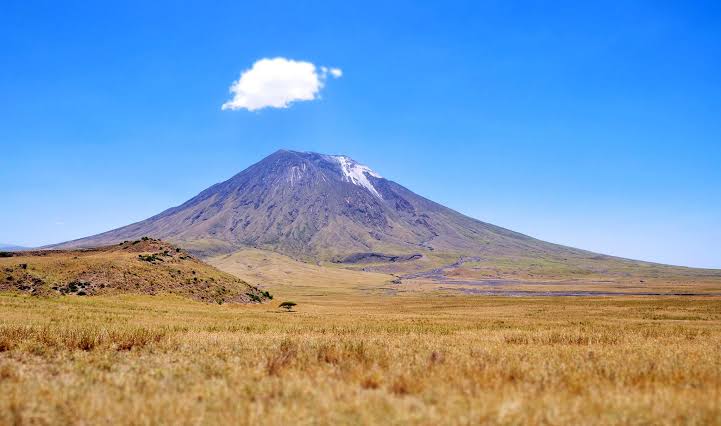
Nestled within the Ngorongoro Conservation Area, Ol Doinyo Lengai stands out as one of the most unique and captivating mountains you’ll ever see. Rising to 2,878 meters, it is Tanzania’s sole active volcano and the only volcano globally known for erupting carbonatite lava.
Understanding the science behind Ol Doinyo Lengai’s carbonatite lava
This type of lava is significantly cooler than typical lava and exhibits a captivating behavior. It begins as black but quickly turns white upon contact with moisture. Observing this change is akin to witnessing nature perform a magic trick, making this mountain a major attraction for geologists and adventure enthusiasts.
Cultural Significance for the Maasai
Ol Doinyo Lengai translates to “Mountain of God” in Maasai, and it’s clear why this peak is so spiritually important to the Maasai people. For centuries, they’ve regarded it as sacred, and visiting it is like entering a site of longstanding veneration. The cultural aspect of this trek enriches the experience with a depth of meaning uncommon in other hikes.
The Ol Doinyo Lengai Trekking Experience
The ascent of Ol Doinyo Lengai is relatively brief, usually lasting one or three days, making it suitable for intermediate climbers seeking a quick yet fulfilling experience. The lower slopes feature vineyards and citrus trees, offering a lush, lively scenery that contrasts sharply with the barren terrain higher up.
As you ascend, the greenery transitions to beech and oak forests, and ultimately, you’ll traverse a landscape of ash and cooled lava, giving the sensation of stepping onto a different planet.
When is the Best Time to Visit Ol Doinyo Lengai?
For an optimal experience, aim to summit Ol Doinyo Lengai at sunrise. The morning light bathes the Great Rift Valley in a golden hue, offering stunning views of Lake Natron shimmering in the distance. On clear days, you might even spot the silhouette of Mount Kilimanjaro on the horizon. The ideal period for this climb is between June and September, when dry weather and well-maintained trails create the best conditions.
Usambara Mountain Range: A Place Where Culture Intersects with Nature
If you’re looking for a mountain adventure that combines stunning landscapes with rich cultural experiences, make the Usambara Mountains your priority. Located within the Eastern Arc mountain chain stretching from Kenya to Tanzania, the range is divided into two parts: the West Usambara Mountains and the smaller, more rainfall-heavy East Usambara Mountains.
Biodiversity and Rainforest Beauty of Usambara Mountain
Together, they create one of Africa’s most biodiverse areas, featuring extensive, well-preserved rainforest that hosts numerous endemic species unique to this region. Bird enthusiasts, nature photographers, and lovers of untouched wilderness will consider this paradise.
Accessible Trekking for All Levels
The Usambara Mountains are ideal for hikers, offering everything from simple day trips to challenging multi-day treks. A major highlight is its accessibility—no advanced climbing skills are needed. The trails are well-maintained and suitable for all fitness levels. Whether you’re a seasoned hiker or just want a relaxed walk in nature, you’ll find routes that suit your skill level and provide stunning views.
Cultural Experiences in the Usambara’s
The Usambara Mountains offer more than just hiking; it’s an immersive experience into local culture. Charming farms and villages across the region provide insights into traditional Tanzanian life, and visitors are warmly welcomed.
You can spend days exploring the German Amani Nature Reserve, visiting the historic colonial town of Lushoto (formerly Wilhelmsthal), or strolling through the Muzumbai University Forest. There’s a variety of activities, from birdwatching and mountain biking to relaxing and enjoying the tranquil environment.
Best Times to Visit the Usambara Mountains
The ideal time to explore the Usambara Mountains is between June and November, as the weather is drier and the trails are in optimal condition. During this period, the views are most stunning, offering a perfect opportunity to enjoy the region’s dramatic landscapes.
Udzungwa Mountains National Park
Wildlife enthusiasts should definitely visit the Udzungwa Mountains National Park. Connected to the Eastern Arc mountain range, this park is a biodiversity hotspot that will astonish you.
Amazing Wildlife Sightings
The Udzungwa Mountains host a diverse range of wildlife, such as leopards, buffalo, elephants, lions, wild dogs, and six primate species. Bird enthusiasts will appreciate the endangered bird species living there, while insect lovers can enjoy numerous unique butterflies and other insects found only in this region.
Hiking Without Vehicles
Udzungwa stands out from many other parks because it doesn’t allow cars. Visitors must explore on foot, which enhances the authenticity of the experience. Hikers can wander freely, choosing from trails of varying difficulty that lead deep into this pristine wilderness.
The Stunning Sanje Waterfall
A key highlight of visiting Udzungwa is witnessing the impressive Sanje waterfall. Towering at 170 meters, it ranks among Tanzania’s most stunning waterfalls. The plunge pools below are ideal for a relaxing swim after a lengthy trek. Standing beneath the waterfall, feeling its mist and hearing its thunder, creates an unforgettable experience.
When to Visit Udzungwa Mountains National Park
The best time to visit Udzungwa is from June to October, when the weather is dry, and the trails are in their best condition. During this time, the forests are alive with activity, and you have the best chance of spotting the park’s famous primates.
Mahale Mountains: Trekking with Chimpanzees
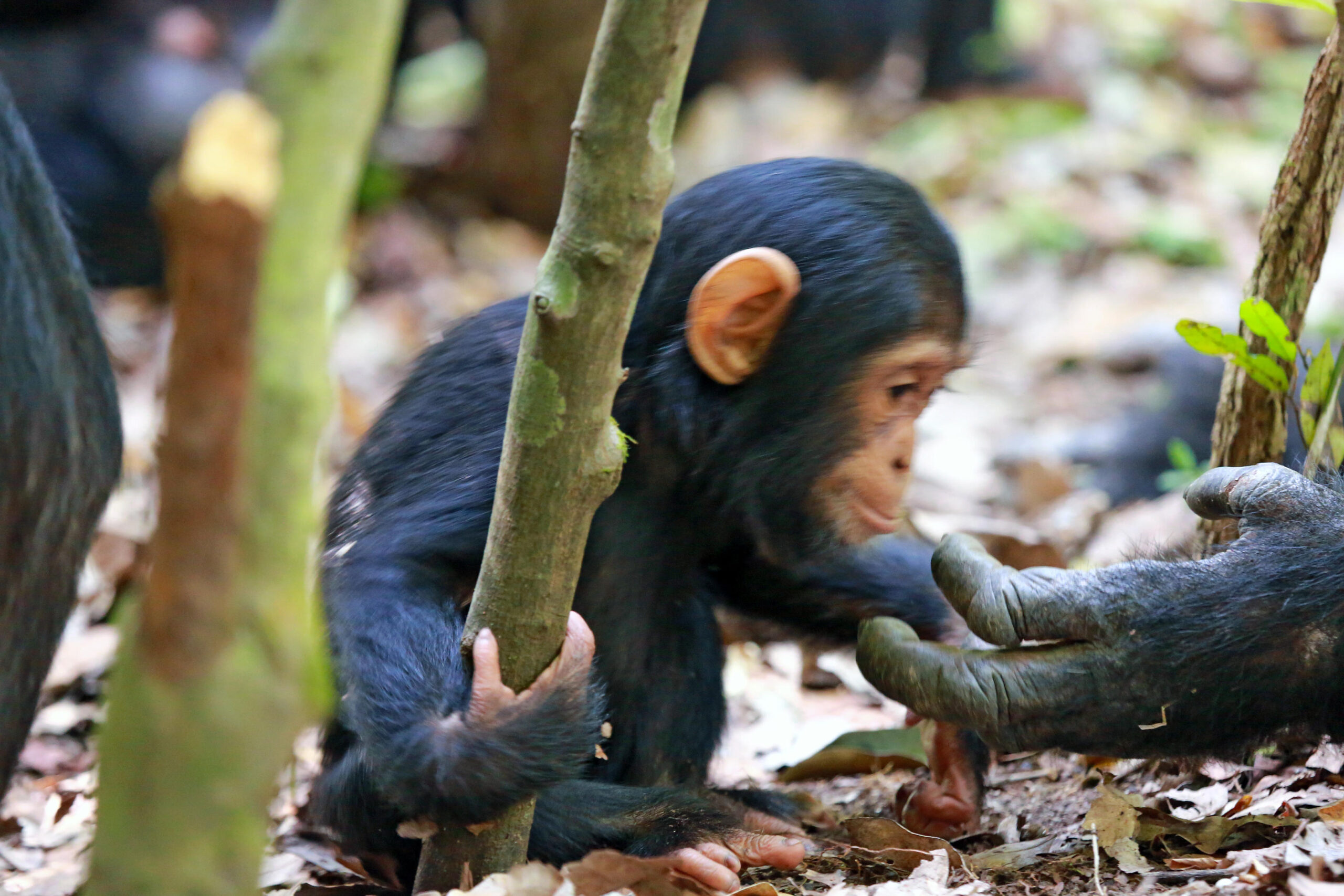
Now we reach one of Tanzania’s most remote and remarkable mountain locations—the Mahale Mountains. Situated inside Mahale National Park, this range hosts a substantial, protected population of chimpanzees. Hiking here offers a once-in-a-lifetime opportunity to observe these amazing primates in their natural habitat.
Chimpanzee Trekking Experiences
Picture yourself walking through a thick forest, with the calls of chimpanzees echoing through the trees, and suddenly encountering a family of these intelligent animals as they go about their daily routines. It’s a humbling and profoundly moving experience that is hard to find anywhere else.
The chimpanzees in Mahale are habituated to humans, so they are used to researchers and visitors, allowing you to observe them without stressing them. Seeing them play, groom one another, and care for their young is like witnessing a nature documentary in real time.
Mount Nkungwe: The Highest Peak
Mount Nkungwe is the highest peak in the Mahale mountain range, with an elevation of 2,462 meters. For those seeking adventure, a three-day climb to the top is available, but it’s crucial to travel with a local guide familiar with the terrain and wildlife. The mountain’s remote and wild environment makes guides vital for safety. Watch out for lions in the area—though encounters are rare, they can occur.
How to Get to the Mahale Mountains
Reaching Mahale National Park is an adventure on its own. Situated along Lake Tanganyika, renowned as one of the deepest and most stunning lakes worldwide, the park can be reached by either plane or boat. Upon arrival, you’ll discover the lake provides relaxing beaches and excellent snorkeling among vibrant fish. It’s an ideal spot to unwind after several days of trekking.
When to Visit the Mahale Mountains
The ideal period to explore the Mahale Mountains is between May and October, which coincides with the dry season. During this time, the trails are in optimal condition, and the chimpanzees are more active and easier to observe.
Rungwe Mountain: A Demanding Day Hike for Seasoned Trekkers
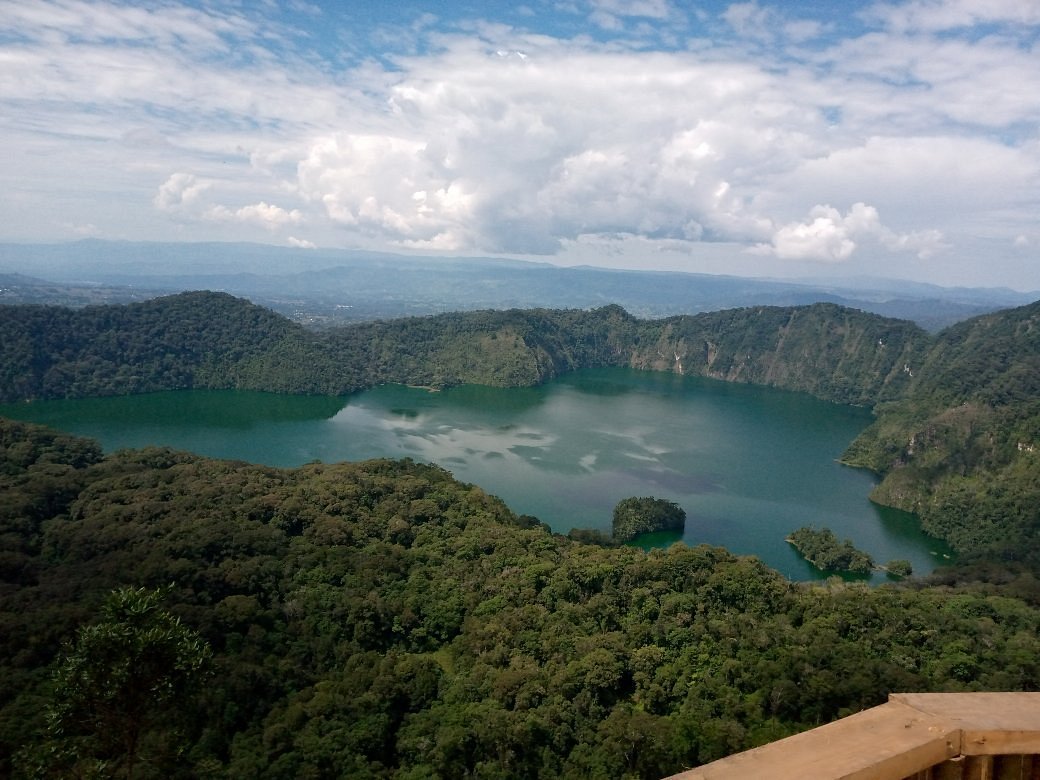
If you’re an experienced hiker looking for a day-long challenge, Rungwe Mountain is worth considering. Situated in southwest Tanzania’s Mbeya region, this dormant volcano rises to 2,960 meters above sea level.
The Rungwe Day Hike Challenge
With an early start, experienced hikers can complete the ascent and descent of Rungwe Mountain in a single day. The trail guides you through diverse landscapes, from dense forests to rocky areas, culminating in a summit with breathtaking panoramic views. On sunny days, you can enjoy sweeping sights of Poroto Ridge, Mbeya Peak, and Loleza Peak, with the countryside extending endlessly around you.
Rare Wildlife at Rungwe Mountain
Rungwe Mountain attracts wildlife enthusiasts, as it hosts two of the rarest primates and a rare antelope species. Even if you don’t see these elusive animals, the fact that you’re traversing their habitat adds an adventurous and wondrous element to your hike.
Nearby Attractions
If you have additional time, consider visiting nearby attractions. In the Kiwira Valley, you can see Daraja la Mungu, a distinctive natural bridge whose name means “Bridge of God.” Also close by is Lake Ngosi, situated within a volcanic crater inside the Poroto Ridge Forest Reserve.
When to Visit Rungwe Mountain
The best time to hike Rungwe Mountain is from June to October, when conditions are drier, and the trails are more accessible.
Table 1: Mountains in Tanzania
| Mountain | Height (meters) | Duration ( Days) | Difficulty | Average cost |
|---|---|---|---|---|
| Mount Kilimanjaro | 5,895 m | 5-10 days | moderate – hard | $1,650- $2,560 |
| Mount Meru | 4,566 m | 3- 4 days | moderate | $920- $1,400 |
| Ol Doinyo Lengai | 2,878 m | 2-3 days | intermediate | $500-$1,200 |
| Rungwe Mountain | 2,960 m | 1 day | Easy-challenging | $200-$600 |
| Mount Nkungwe ( Mahale ) | 2,462 m | 3- 5 days | Easy-challenging | $300-$1200 |
| Udzungwa Mountain | 2,576 m | 1-4 days | Easy-challenging | $200-$1,500 |
| Usambara Mountains | 2,440 m | 1-5 days | East- Moderate | $200-$800 |
Frequently Asked Questions (FAQs)
1. What is the best mountain to climb in Tanzania for beginners?
Mount Meru is ideal for beginner trekkers. It provides a rewarding challenge while being shorter than Kilimanjaro, making it more suitable for newcomers to high-altitude trekking. The Usambara Mountains also present great day hikes for a milder experience.
2. Do I need climbing experience to climb Mount Kilimanjaro?
No, you don’t need technical climbing skills for Mount Kilimanjaro. It’s primarily a trekking mountain rather than a technical climb. Still, good physical fitness and adequate preparation are essential to manage the altitude and the demanding summit night.
3. What is the best time of year to climb Mount Kilimanjaro?
The ideal times to ascend Kilimanjaro are from January to March and June to October. During these months, the weather tends to be clear and dry, maximizing your chances of reaching the summit.
4. Which mountain in Tanzania is best for wildlife viewing?
Udzungwa Mountains National Park offers excellent wildlife viewing, featuring leopards, buffalo, elephants, lions, and six primate species. Meanwhile, the Mahale Mountains are renowned for their chimpanzee trekking experiences.
5. How long does the Mount Meru trek take?
The Mount Meru trek typically takes four to five days. This makes it a shorter commitment than Kilimanjaro, while still offering a challenging and rewarding mountain experience.
6. Is it safe to hike Ol Doinyo Lengai as it’s an active volcano?
Yes, it’s safe for trekkers. Although Ol Doinyo Lengai is active, it’s regularly monitored, and tours are permitted only when conditions are safe. Always go with a licensed guide who knows the mountain well.
7. Can I combine mountain trekking with a safari in Tanzania?
Certainly! Tanzania is famous for its amazing wildlife safaris, and many visitors combine trekking on Kilimanjaro or Meru with a safari in the Serengeti or Ngorongoro Crater. This is an ideal way to enjoy the highlights of Tanzania.
Conclusion
Tanzania is a haven for mountain enthusiasts, and the adventure doesn’t stop after summiting Kilimanjaro. Whether it’s the striking crater of Mount Meru, the distinctive lava flows of Ol Doinyo Lengai, the cultural villages of the Usambara Mountains, or the chimpanzee habitats of Mahale, each mountain in Tanzania offers its unique story and charm.
Whether you’re climbing Africa’s tallest mountain, exploring untouched rainforests, or enjoying a scenic day hike, Tanzania provides unforgettable experiences. The mountains are not only stunning but also teeming with wildlife, rich in cultural heritage, and filled with both challenges and rewards that will motivate and inspire you.
Start planning your Tanzanian mountain adventure today. The trails are waiting, the views are calling, and an experience that will change you forever is just around the corner. Whether you’re a first-time trekker or a seasoned mountaineer, Tanzania’s mountains have something special in store for you. Pack your bags, lace up your boots, and get ready for the adventure of a lifetime.
Are you ready for the Mount Kilimanjaro climbing challenge? If yes, book one of these packages
8 Days Lemosho route climbing package 2026 /2027
7 Days Machame climbing package 2026/ 2027
6 Days Marangu climbing package 2026/2027
You can read more about Mount Kilimanjaro
We are your perfect guide wherever your heart leads you—Tanzania, and beyond. You can proceed with booking your Kilimanjaro trip.
Must Read Articles
A beginner’s guide to Mount Kilimanjaro
Which is Harder: Kilimanjaro or Everest Base Camp?
Rescue and evacuation on Mount Kilimanjaro (5,895 m)
Best Time to Climb Mount Kilimanjaro 2026: Your Ultimate Seasonal Guide
10 Things You Should Know Before Climbing Mount Kilimanjaro
Do you need Diamox to climb Kilimanjaro?
How much does it cost to climb Mount Kilimanjaro?
Best Time to Climb Mount Kilimanjaro 2026: Your Ultimate Seasonal Guide