The Everest Base Camp Trek
The Everest Base Camp Trek
The Everest Base Camp trek is one of the most famous hiking adventures on Earth. Every year, thousands of trekkers from around the world travel to Nepal to walk in the shadow of the world’s highest mountain.
This two-week journey takes you through stunning Himalayan landscapes, past colorful prayer flags and Buddhist monasteries, and to the foot of Mount Everest itself.
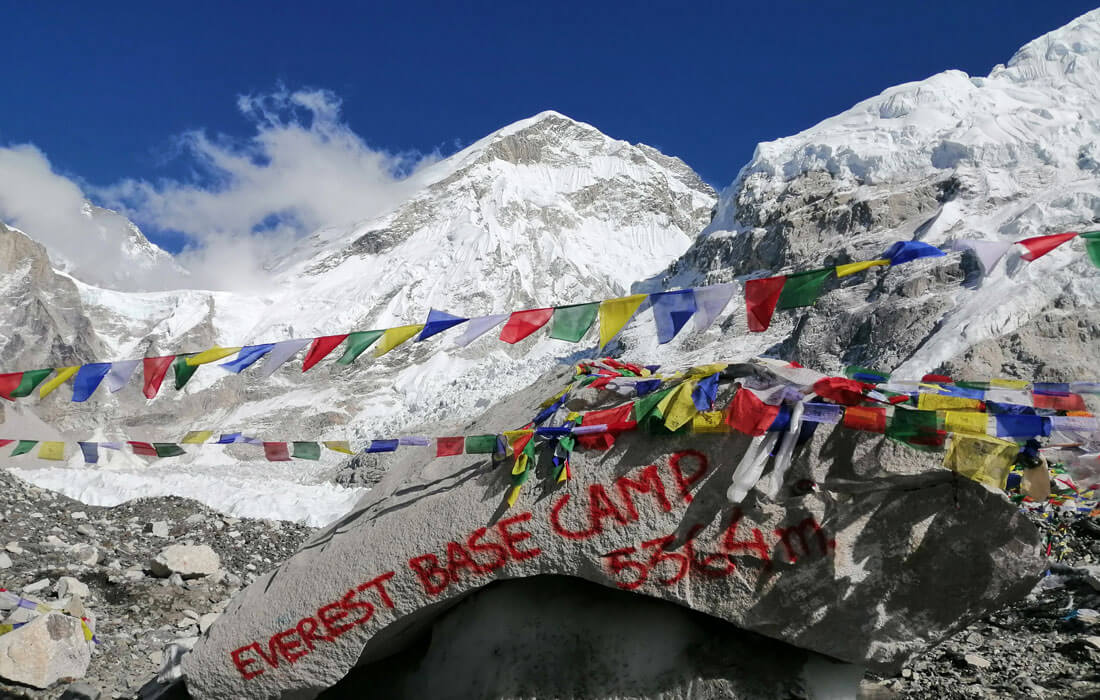
At 5,364 meters (17,598 feet), Everest Base Camp is not the summit of Mount Everest – that’s much higher at 8,848 meters. Instead, it’s where mountaineers begin their climb to the summit. For regular trekkers, reaching Base Camp is a dream come true and a major personal achievement.
This guide will walk you through everything you need to know about this incredible trek – from the daily route to practical tips for success – and explain why Mount Kilimanjaro in Tanzania is the perfect next adventure after conquering Nepal’s Himalayas.
What Makes Everest Base Camp Special?
The Everest Base Camp trek is more than a walk. It’s a journey into the heart of the Khumbu region, home to the Sherpa people, renowned for their mountaineering skills. Along the trail, you’ll pass through traditional villages, visit ancient monasteries, and cross high suspension bridges draped with fluttering prayer flags.
The scenery is breathtaking. From the moment you start walking, you’re surrounded by some of the planet’s highest mountains. You’ll see iconic peaks like Ama Dablam, Lhotse, Nuptse, and, finally, Everest itself. The views shift with every step, making each day feel fresh and exciting.
Why Hikers Choose This Trek
The Everest Base Camp trek is popular because it offers a taste of high-altitude adventure without requiring technical climbing skills. You don’t need ropes, crampons, or mountaineering experience. What you do need is good fitness, determination, and respect for the altitude.
Many hikers choose this trek to push their limits in a safe, supported environment. The trail features a well-developed network of tea houses where trekkers can sleep, eat, and warm up by the fire. This makes the journey more comfortable than camping-based treks.
The Journey Begins: Kathmandu to Lukla
The Flight to Lukla
The adventure begins with a short but exciting flight from Kathmandu to Lukla. Lukla is a small town in northeastern Nepal and the gateway to Mount Everest. The Tenzing-Hillary Airport here is famous for one of the world’s most thrilling landings – the runway is short and sits on a steep hillside at about 2,860 meters.
For many trekkers, this 30-minute flight is the first real adrenaline rush of the trip. On clear days, you can see the Himalayan peaks through the plane window, building anticipation for what lies ahead.
Day 1: Lukla to Phakding
After landing in Lukla, you head toward Phakding. It is an easy day to ease into the trek, with gentle descents and a few small hills. The trail follows the Dudh Koshi River through lush forests and small villages.
Phakding sits at 2,610 meters and is a good place to spend the first night. The tea houses here are comfortable, and you can meet other trekkers who are starting their journey at the same time.
Day 2: Phakding to Namche Bazaar
The second day is more challenging. You’ll cross several suspension bridges and follow the Dudh Koshi River deeper into the valley. The final climb to Namche Bazaar is steep – a tough three-hour hike that will test your fitness.
Namche Bazaar, at 3,440 meters, is the largest Sherpa town in the region. It’s a bustling place with bakeries, shops, restaurants, and cozy lodges. Namche is often called the “capital of the Khumbu” and is a great place to stock up on supplies and rest before heading higher.
Day 3: Acclimatization Day in Namche
Altitude is the biggest challenge on the Everest Base Camp trek. To help your body adjust, you’ll spend an extra day in Namche to acclimatize. This means staying at the same altitude for a full day to help prevent altitude sickness.
On this rest day, you can take short hikes to the Everest View Hotel or visit nearby Sherpa villages such as Khumjung and Khunde. These walks aid acclimatization and offer amazing views of the mountains. You can also visit the local museum to learn about Sherpa culture and climbing history.
The Route to Everest Base Camp
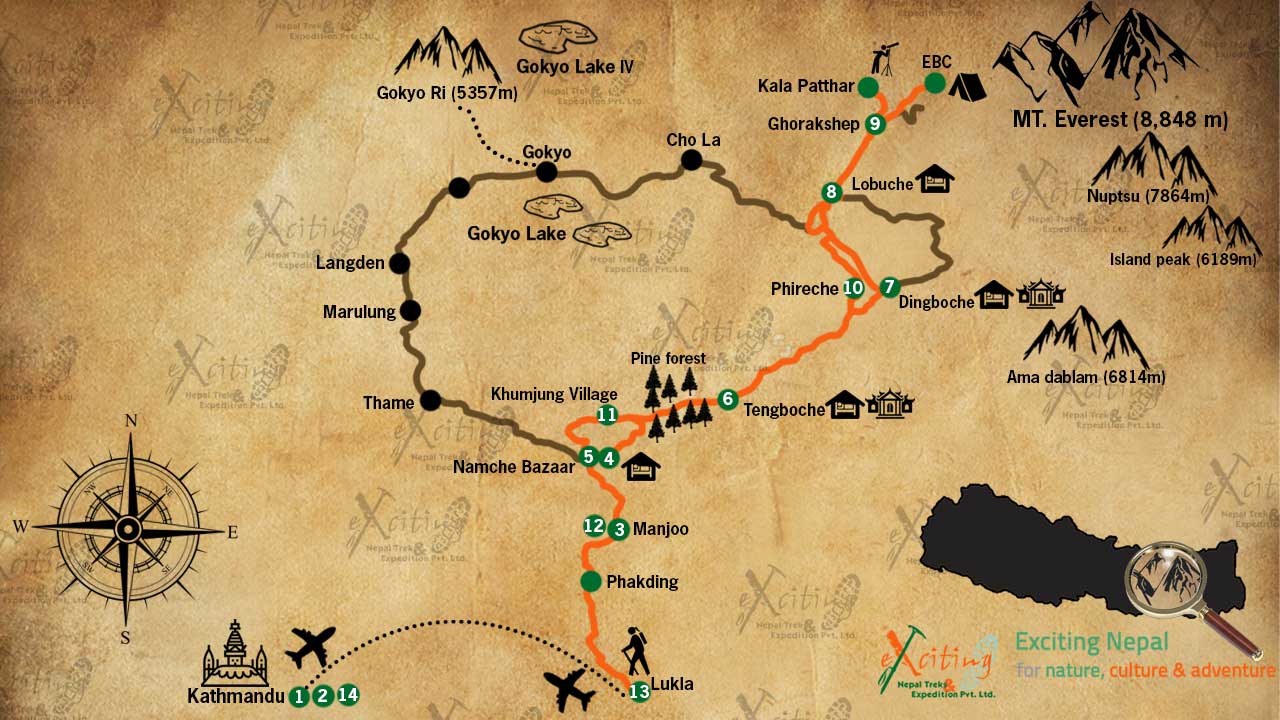
Day 4: Namche to Tengboche
Leaving Namche, the trail climbs gently, offering stunning views of Thamserku, Kangtega, and Ama Dablam. The skyline ahead is dominated by giants – Lhotse and Mount Everest itself.
Tengboche, at 3,860 meters, is famous for its beautiful monastery. It is one of the most important Buddhist monasteries in the Khumbu region. Monks chant prayers here every evening, and the backdrop of Mount Ama Dablam makes it a truly special place.
Day 5: Tengboche to Dingboche
The trail descends through forests, crosses the Imja Khola river, and climbs to Pangboche and Dingboche. At 4,410 meters, the air is noticeably thinner. Nights grow colder, and you might start feeling the effects of the altitude.
Day 6: Second Acclimatization Day
Another rest day in Dingboche helps your body acclimate to high altitude. A short hike to Nagarjun Hill offers panoramic views of Makalu and Island Peak. This day is crucial for success – rushing at this altitude can lead to serious health problems.
Day 7: Dingboche to Lobuche
The landscape changes dramatically from this point. Green valleys give way to rocky, barren terrain. You’ll pass the Everest Memorial, a collection of stone monuments honoring climbers who lost their lives on the mountain.
Lobuche, at 4,910 meters, is a small settlement with basic tea houses. You’re now well into the high-altitude zone.
Day 8: Gorak Shep and Everest Base Camp
This is the big day. From Lobuche, you trek to Gorak Shep at 5,140 meters – the last settlement before Base Camp. After dropping your bags, you continue on to Everest Base Camp at 5,364 meters.
The walk across the glacier can take up to five hours. The terrain is tricky, with slippery ice and shifting rocks. Many trekkers hire guides to help them find a safe route. Standing at Everest Base Camp is an out-of-this-world experience. You’re surrounded by towering peaks, and if expeditions are active, you’ll see colorful tents scattered across the ice.
Day 9: Kala Patthar Sunrise
The early-morning climb to Kala Patthar at 5,644 meters is widely regarded as the most emotional moment of the entire trek. From here, you get the best close-up view of Everest and Lhotse as the sun rises over the giants. This is the highest point most trekkers reach, and many say the view is worth every step.
After this, you descend into thicker air, heading toward Pheriche at 4,240 meters. The descent feels easier as oxygen levels return to normal.
Days 10-12: Return Trek
You retrace your steps through Namche and Lukla. The descent is easier than the ascent, and you can enjoy the scenery from a different perspective. The return journey takes about three days, and you’ll spend your last night in Lukla before flying back to Kathmandu.
Connecting to the Seven Summits: Mount Kilimanjaro
The Everest Base Camp trek is often the first step for hikers who dream of one day climbing the Seven Summits – the highest mountains on each continent. Although it is a trek, not a summit, Everest Base Camp builds the skills and confidence needed for bigger challenges.
What Are the Seven Summits?
The Seven Summits are the highest peaks on each of the seven continents. This challenge has captivated mountaineers since the idea was first publicized by American climber Dick Bass in the 1980s.
The official list includes:
- Mount Everest (Asia)
- Aconcagua (South America)
- Denali (North America)
- Mount Kilimanjaro (Africa)
- Mount Elbrus (Europe)
- Mount Vinson (Antarctica)
- Puncak Jaya or Mount Kosciuszko (Australasia)
Why Mount Kilimanjaro is the Perfect Next Step
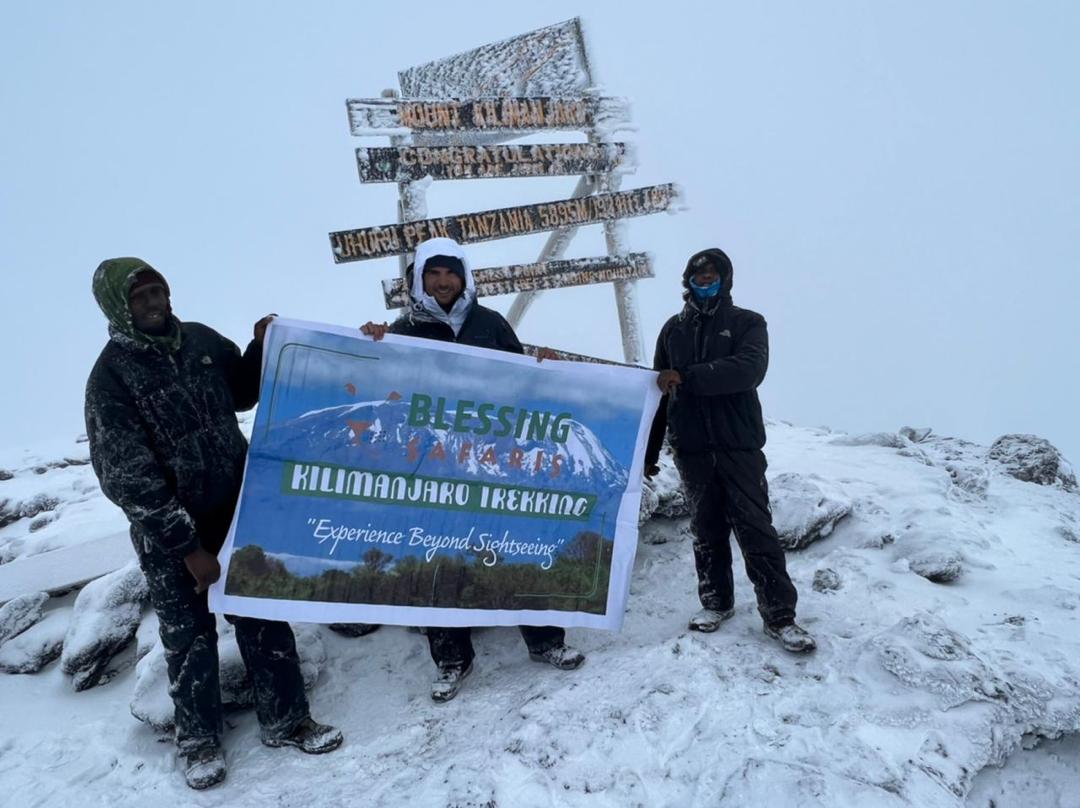
After completing the Everest Base Camp trek, the next natural adventure is Mount Kilimanjaro in Tanzania.
Here’s why:
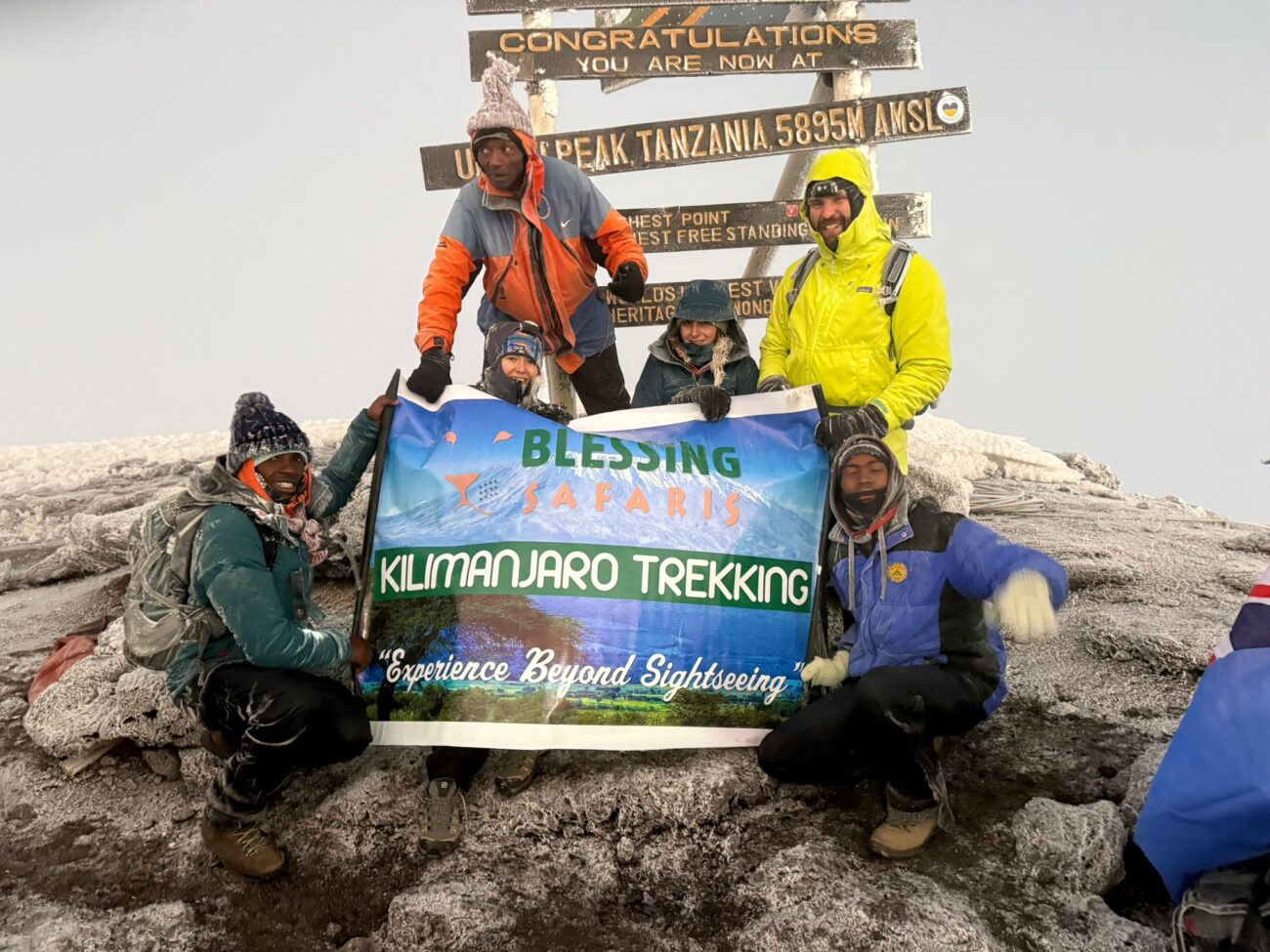
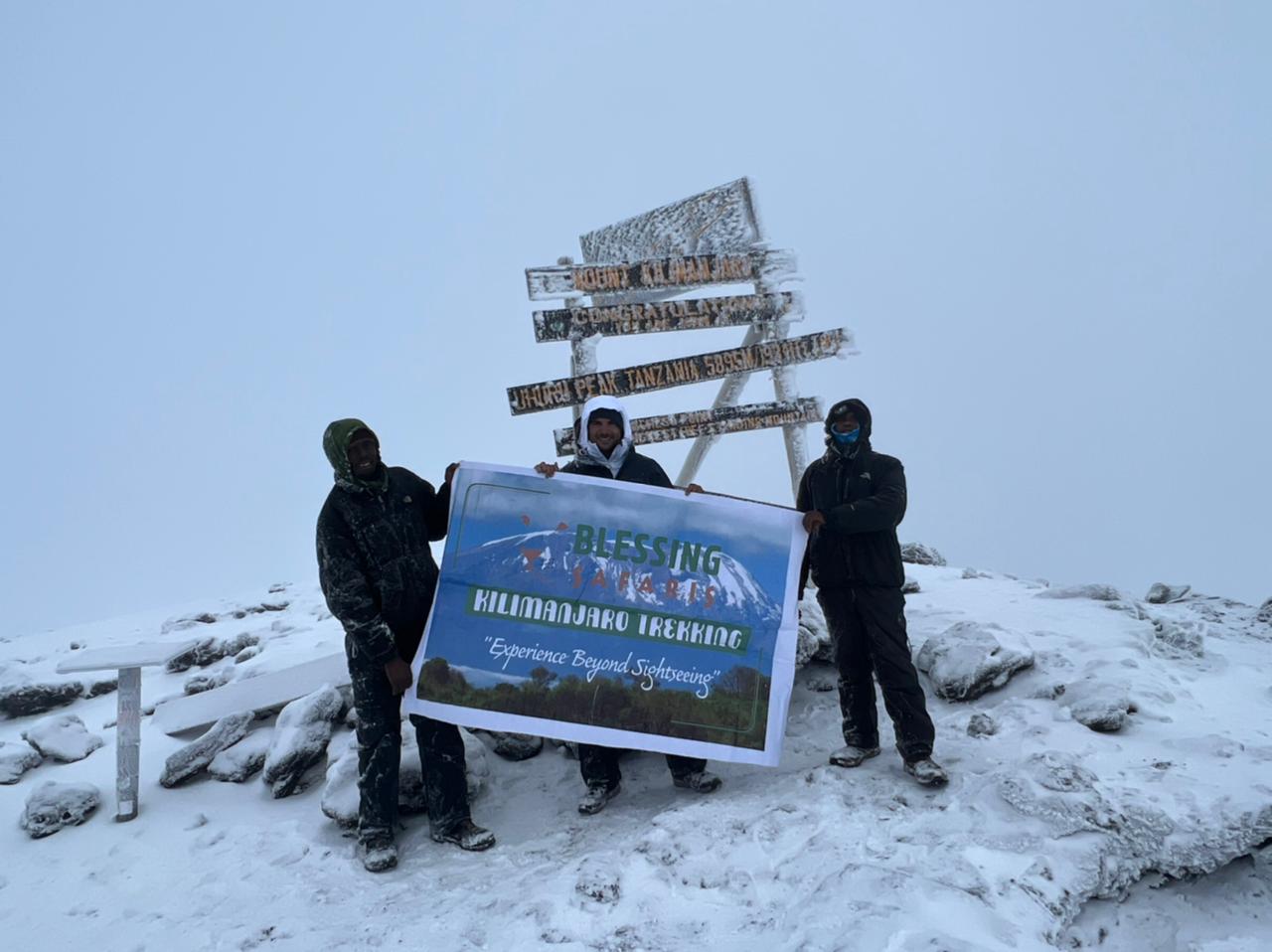
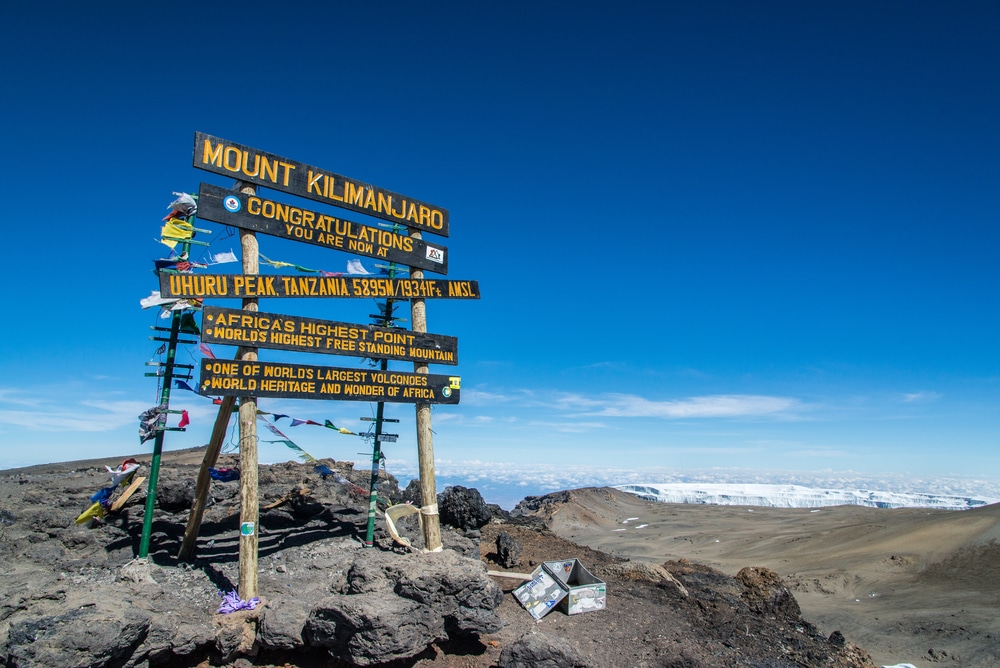
Similar Altitudes: Uhuru Peak on Kilimanjaro reaches 5,895 meters (19,341 feet) – higher than Everest Base Camp at 5,364 meters. Your experience at high altitudes on EBC will help you on Kilimanjaro.
Non-Technical Ascent: Like EBC, climbing Kilimanjaro doesn’t require technical climbing skills. No ropes or crampons are needed – just good fitness and determination.
Diverse Scenery: Kilimanjaro takes you through five distinct ecological zones in just a few days – from tropical rainforest and moorland to alpine desert and an arctic summit zone.
The climb is like traveling from the equator to the North Pole in terms of climate and vegetation.
Accessible Challenge: Kilimanjaro is considered the easiest of the Seven Summits, making it an ideal goal for hikers beginning their Seven Summits journey.
Wildlife Experiences: Tanzania offers incredible wildlife safaris in the Serengeti and the Ngorongoro Crater. You can combine a Kilimanjaro climb with a safari for an unforgettable African adventure.
Comparing Everest Base Camp and Kilimanjaro
The Everest Base Camp trek takes 12-14 days, while Kilimanjaro typically takes 5-9 days.
On Kilimanjaro, you’ll camp or stay in mountain huts, whereas EBC offers tea house accommodations with beds and meals.
Kilimanjaro’s summit night is famously challenging – you start walking at midnight and reach the summit at sunrise after a long, cold ascent. EBC doesn’t have a summit night, but the trek is longer and demands more endurance.
Both adventures are incredible in different ways. EBC offers cultural immersion in Sherpa villages and monasteries, whereas Kilimanjaro showcases the beauty of African landscapes and wildlife.
Important Tips for Your Trek
Acclimatization is Key
Altitude sickness is a real risk on the Everest Base Camp trek. The biggest danger is rushing. Your itinerary must include acclimatization days – at least two full rest days built into the schedule.
Walking slowly is essential. Many trekkers use the “pole pole” approach (slowly, slowly) on Kilimanjaro, but it applies equally to Everest. Go slow, drink plenty of water, and listen to your body.
Best Time to Go to Everest Base Camp
The two best trekking seasons to Everest Base Camp are:
Spring (March to May): The weather is mild, rhododendrons bloom in the lower valleys, and visibility is usually good. This is when mountaineers prepare for Everest expeditions, so Base Camp is bustling.
Autumn (September to November): Clear skies, crisp air, and excellent views make this the most popular time. The monsoon has just ended, leaving the trails dust-free and the skies a brilliant blue.
Winter is extremely cold, and the monsoon season (June to August) brings rain that can obscure the mountain views.
What to Pack for the Everest Base Camp Trek?
Even in the best seasons, you need to pack for all conditions. Temperatures can range from warm during the day to below freezing at night. Essential gear includes:
- Layers of warm clothing (merino wool and fleece)
- A warm down jacket
- Waterproof shell jacket and pants
- Comfortable, well-broken-in hiking boots
- Trekking poles
- Warm sleeping bag
- High-SPF sunscreen and sunglasses
Physical Preparation
You don’t need to be a professional athlete, but good fitness is essential. Start training several months in advance. Focus on cardiovascular fitness (walking, running, and cycling) and leg strength. It’s also helpful to practice walking with a loaded backpack.
Most importantly, practice hiking on steep terrain. If you can comfortably walk 10-15 kilometers a day for several days, you’ll be in good shape.
Budget and Costs
The Everest Base Camp trek typically costs between $1,500 and $3,500, depending on the tour operator and the services included.
This covers permits (Sagarmatha National Park and TIMS), tea house accommodations, meals, guide and porter fees, and internal flights to Lukla.
Kilimanjaro climbs typically cost between $2,000 and $4,500, often more expensive than EBC despite being shorter. This is because Kilimanjaro requires more complex logistics and camping equipment.
Frequently Asked Questions (FAQs)
1. How difficult is the Everest Base Camp trek?
The Everest Base Camp trek is considered moderately difficult. It doesn’t require technical climbing skills, but it does require good physical fitness and mental determination. The main challenge is the altitude. Daily walking averages 5-8 hours on rough, steep terrain. Most fit people with proper training can complete it successfully.
2. What is the best time of year for the Everest Base Camp trek?
The best times are spring (March to May) and autumn (September to November). During these seasons, the weather is stable, temperatures are comfortable, and the views are clear. Avoid the monsoon season (June to August), when trails are slippery, and mountain views are often obscured by clouds.
3. Can beginners complete the Everest Base Camp trek?
Yes, beginners can complete this trek with proper preparation. However, you should build your fitness beforehand with regular hiking and cardio. It’s also wise to trek with an experienced guide and choose an itinerary that includes enough acclimatization days. Listen to your body and go slowly to avoid altitude sickness.
4. Is Mount Kilimanjaro harder than Everest Base Camp?
This depends on how you define “harder.” Everest Base Camp is longer (about 12-14 days vs 5-9 days) and has more sustained walking days. However, Kilimanjaro’s summit night is extremely challenging because of the midnight start, freezing temperatures, and a steep final ascent. Both are demanding, but in different ways. Many people find Kilimanjaro’s summit push the most physically demanding part of either journey. Read more about Mount Kilimanjaro vs Everest Base Camp
5. How much does the Everest Base Camp trek cost?
A standard Everest Base Camp trek costs between $1,500 and $3,500. This price includes permits, accommodations, meals, guides, porters, and flights between Kathmandu and Lukla. Budget options are less expensive, while luxury treks cost more. Always confirm what’s included in the price before booking.
6. Do I need travel insurance for this trek?
Absolutely. Travel insurance with helicopter rescue coverage is essential. Altitude sickness, falls, and weather-related delays are real risks. Ensure your policy covers high-altitude trekking up to at least 6,000 meters and includes emergency evacuation. Do not skip this – it could save your life and your finances.
7. Can I climb Mount Everest after doing Base Camp?
Reaching Everest Base Camp is a remarkable achievement, but it does not qualify you to climb Everest. Summiting Everest requires years of mountaineering experience, technical skills, specialized gear, permits costing tens of thousands of dollars, and far greater endurance. Base Camp marks the start of that journey. Many expedition climbers use it for training, but it’s only the first step on a much longer path.
Conclusion: Your Everest Adventure Awaits
The Everest Base Camp trek is among the most rewarding adventures on Earth. It combines physical challenge, cultural discovery, and breathtaking scenery in a way few other treks can match.
Standing at the foot of the world’s highest mountain, surrounded by prayer flags and ice-clad peaks, you’ll understand why people call this trek life-changing. It’s not easy – but that’s exactly what makes it so special.
After you’ve conquered Everest Base Camp, Mount Kilimanjaro in Tanzania is ready to welcome you. The “Roof of Africa” offers a different kind of adventure – one that might lead you to the Seven Summits.
Whether you’re dreaming of Everest Base Camp, planning a Kilimanjaro ascent, or working toward the Seven Summits, the most important step is the first. Start training, start dreaming, and start planning your adventure.

Kilimanjaro Climbing Tours and Prices
From$2,450
7 Days, 6 Nights
7 Day Kilimanjaro Trek via Rongai Route
Mt. Kilimanjaro
From$2,450
7 Days, 6 Nights
7 Day Kilimanjaro Trek Via Shira Route
Mt. Kilimanjaro
From$3,890
9 Days, 8 Nights
9 Days Northern Circuit Route
Mt. Kilimanjaro
From$2,720
8 Days, 7 Nights
8 Days Lemosho Route
Mt. Kilimanjaro