Machame Route KILIMANJARO

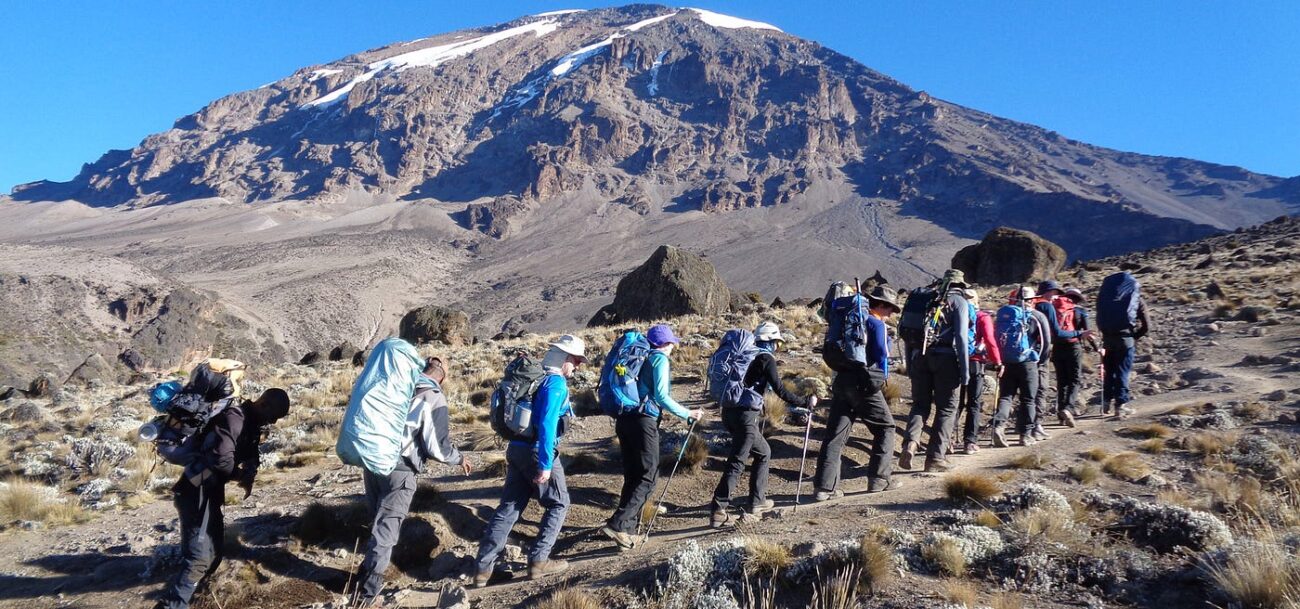
The Machame Route, also known as the “Whiskey Route,” is the most popular path to Mount Kilimanjaro’s summit. It attracts about 35% of climbers, making it the preferred trekking route.

Unlike the Marangu Route, which features hut accommodations, the Machame Route provides a wilderness camping experience for those seeking a more immersive trek. The trail offers panoramic views, diverse ecological zones, and a challenging but achievable ascent.

The Machame Route is considered more challenging than the Marangu “Coca-Cola Route.” Its effective acclimatization profile and scenic landscapes have established it as a leading choice for Kilimanjaro expeditions.

The Machame Route provides a balanced challenge and accessibility for travelers with flexible schedules. Its longer itinerary allows for better altitude adaptation, resulting in higher summit success rates compared to shorter routes.

The route’s “climb high, sleep low” approach is central to its success. Trekkers ascend to higher elevations, such as Lava Tower at 4,600 meters, then descend to lower camps to sleep. This technique improves oxygen delivery and reduces the risk of altitude sickness.

mount kilimanjaro

Barranco Wall

The Barranco Wall is a notable feature of the Machame Route. Its steep cliff face can appear intimidating, with a vertical profile that seems to block the trail.

Despite its appearance, the Barranco Wall is manageable. The trail uses switchbacks and natural ledges, requiring no technical climbing gear. Most climbers complete the ascent in one to one and a half hours.

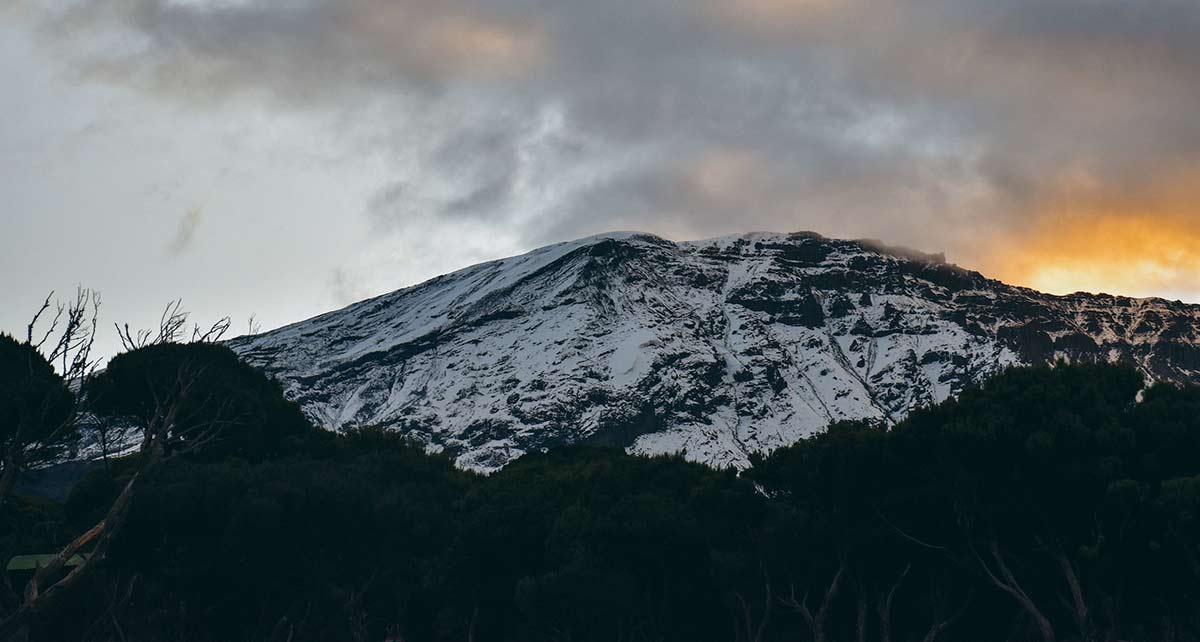
At the top, climbers enjoy expansive views of the landscape, including Kibo Peak. Completing the Barranco Wall is a memorable achievement that enhances the Machame Route experience.

Machame Route Kilimanjaro Map
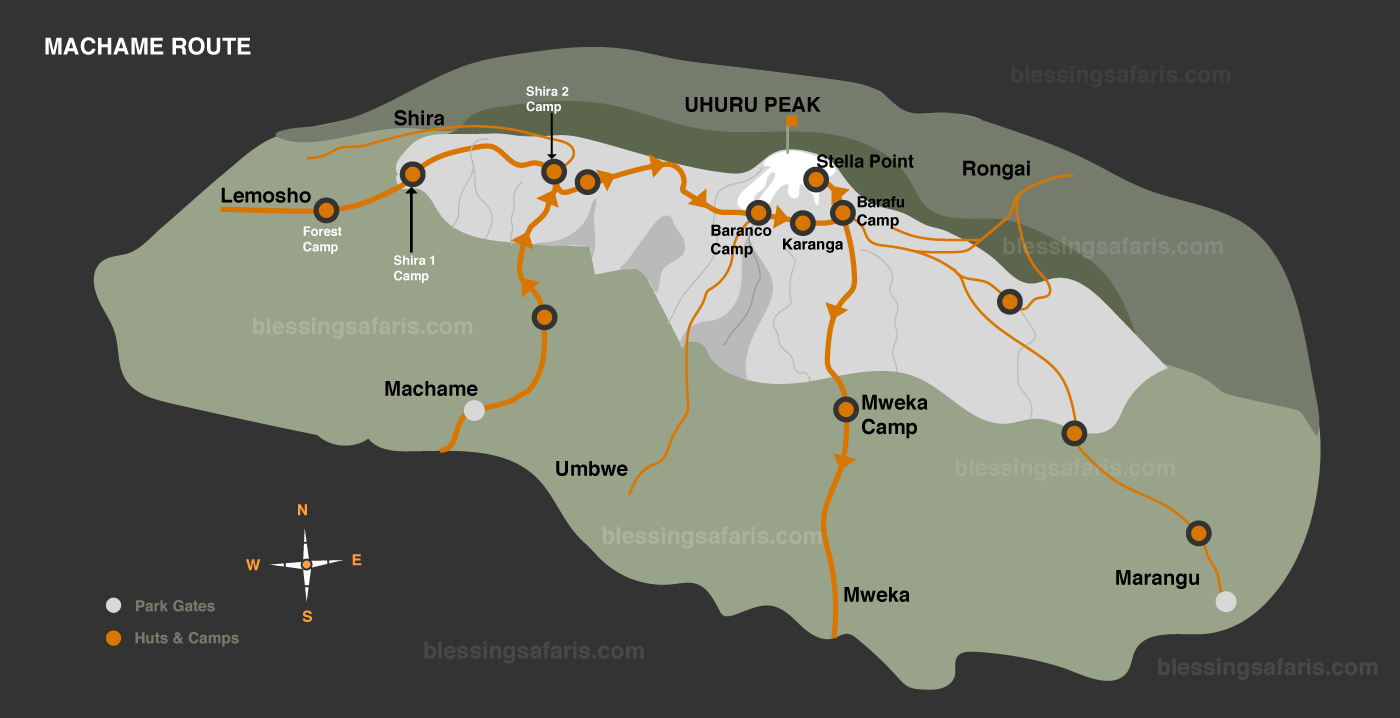
machame route kilimanjaro map

Machame Route Scenery: Five Climatic Zones

The Machame Route traverses five distinct Kilimanjaro climatic zones on the way to Uhuru Peak, providing varied landscapes and daily photographic opportunities.
  • Rainforest Zone (1,800-2,800 meters): The trek begins in the montane forest, with moss-covered trees and a dense canopy. This area offers opportunities to see colobus monkeys and various bird species.
  • Heath and Moorland Zone (2,800-4,000 meters): The landscape transitions to rolling hills with giant groundsels and lobelias. The Shira Plateau provides clear views of Kibo Peak and the summit.
  • Alpine Desert Zone (4,000-5,000 meters): The terrain is barren, dominated by volcanic rocks and scree. Lava Tower at 4,600 meters is the highest point before descending to Barranco Camp, following the “climb high, sleep low” technique.
  • Glacial Zone (5,000+ meters): Near the summit, ice formations and snowfields create an arctic environment. The final ascent to Uhuru Peak often occurs before dawn.
  • Summit Zone (5,895 meters): At Uhuru Peak, climbers enjoy panoramic views across Tanzania and Kenya. The summit sign marks the achievement and offers a photo opportunity.

Machame Route 7-Day Detailed Itinerary

Day Starting Camp Altitude Finish Camp Altitude Time Distance
1 Machame Gate 1800m Machame Camp 2650m 5hrs 11km
2 Machame Camp 2835m Shira Cave Camp 3750m 6hrs 5km
3 Shira Cave Camp 3750m Lava tower camp 4600m 4hrs 7km
Lava Tower 4600m Barranco Camp 3900m 2hrs 3km
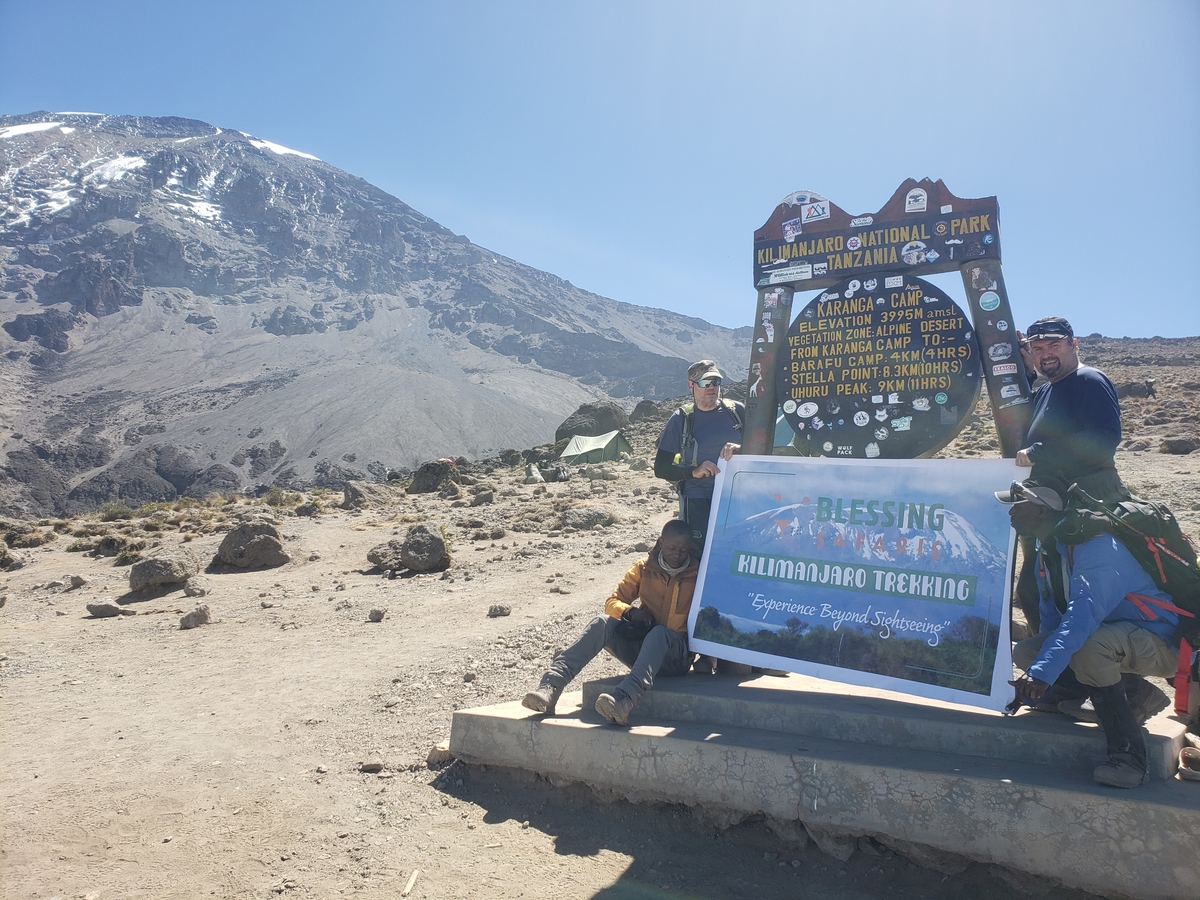
4 Barranco Camp 3900m Karanga Camp 3995m 4hrs 6km
5 Karanga Camp 3995m Barafu Camp 4673m 4hrs 4km
6 Barafu Camp 4673m Uhuru Peak 5895m 7hrs 5km
7 Uhuru peak 5895m Mweka Camp 3100m 7hrs 12km
Mweka Camp 3100m Mweka Gate 1640m 3hrs 10km

Machame Route 7-Day Detailed Itinerary

Day 1: Machame Gate to Machame Camp

The trek begins with a drive from Arusha to the Machame trailhead at 1,800 meters (5,380 feet). After registration, you hike through montane rainforest. The trail gradually ascends, and after 5-7 hours, you reach Machame Camp (2,650 meters / 9,350 feet) for your first night.

Day 2: Machame Camp to Shira Camp

After breakfast, the ascent continues through forest, transitioning to moorland. The 4-6-hour trek leads to the Shira Plateau (3,750 meters / 12,500 feet), offering clear views of Kibo Peak and alpine scenery. The camp overlooks the plains below.

Day 3: Shira Camp to Lava Tower to Barranco Camp

This day is designed for acclimatization. You hike to Lava Tower at 4,600 meters (15,190 feet) for lunch, then descend to Barranco Camp at 3,900 meters (13,044 feet). The 6-8 hour trek passes through varied vegetation zones. Scrambling up Lava Tower is optional.

Day 4: Barranco Camp to Karanga Camp

Today you ascend the Barranco Wall, a steep cliff face. The climb takes about one hour and requires careful footing. The trail continues through ridges and valleys to Karanga Camp (3,995 meters / 13,106 feet). The 4-5 hour hike allows for an afternoon acclimatization walk.

Day 5: Karanga Camp to Barafu Camp

The trek continues around the mountain to Barafu Camp (4,673 meters / 15,331 feet), the final camp before the summit attempt. The 3-4 hour hike offers views of the summit route. After arrival, you have an early dinner and prepare for the midnight summit push.

Day 6: Barafu Camp to Uhuru Peak to Mweka Camp

Summit day begins at midnight, with climbers using headlamps for the steep ascent. The 6-7 hour climb leads to Stella Point (5,756 meters), then continues to Uhuru Peak (5,895 meters / 19,341 feet). After reaching the summit, you descend to Mweka Camp (3,100 meters / 10,500 feet), a 6-9 hour descent.

Day 7: Mweka Camp to Mweka Gate to Arusha

The final day is a 3-5-hour descent through the rainforest to Mweka Gate (1,640 meters / 5,000 feet). You say goodbye to your crew, receive your summit certificate, and return to Arusha.

Machame Route Difficulty and Physical Requirements

The Machame Route is moderately difficult, requiring good physical fitness and mental determination. Its varied terrain and elevation changes challenge climbers’ endurance.

Physical Preparation

Comprehensive physical preparation is essential for success. Focus on cardiovascular exercises such as hiking, running, and cycling, along with strength training for legs and core. Stair climbing with a weighted pack helps prepare for summit night.

Mental Preparation

Mental preparation is equally important. The Barranco Wall may seem intimidating, but a positive attitude and trust in your guide help overcome challenges. Summit night tests resolve with cold, darkness, and fatigue.

Recommended Experience

Previous high-altitude experience is helpful but not required. Many first-time trekkers succeed with proper training and guidance. Key factors include fitness preparation, appropriate gear, and a 7-day acclimatization itinerary.

Machame Route Summit Success Rates and Statistics

The Machame Route achieves high summit success rates due to superior acclimatization. About 85% of climbers reach Uhuru Peak on the 7-day route, compared to 73% on the 6-day version.

The dramatic difference between the 7-day and 6-day itineraries highlights the importance of proper acclimatization. Climber: The difference between the 7-day and 6-day itineraries underscores the importance of acclimatization. An extra day allows gradual adaptation, improving success rates.

Operators like Climbing Kilimanjaro report up to 95% summit success on the 7-day route. Ascending to high elevations during the day but descending to sleep at lower camps, climbers stimulate physiological adaptations that improve oxygen utilization and reduce symptoms of altitude sickness.

Comparing the Machame Route with Other Kilimanjaro Routes

Machame vs. Marangu Route

The Machame Route provides better acclimatization and more diverse scenery than the Marangu Route. While Marangu offers hut accommodation, Machame features wilderness camping. The 7-day Machame route itinerary achieves higher summit success rates than the 5-day Marangu route.

Machame vs. Lemosho Route

Both routes offer good acclimatization and scenic diversity. Lemosho route approaches from the west, takes 7-8 days, and has lower traffic. Machame’s direct approach and infrastructure make it more accessible for climbers with limited time.

Machame vs. Rongai Route

The Rongai Route approaches from the north, with drier conditions and less crowded trails. Machame offers more varied scenery and better acclimatization, making it the preferred choice for most climbers.

Machame vs. Northern Circuit Route

The Northern Circuit Route offers comprehensive acclimatization over 9-10 days and the highest success rates. Machame’s 7-day itinerary balances challenge, scenery, and accessibility for most trekkers.

Best Time to Climb the Machame Route

The optimal seasons for Machame Route trekking are:
  • January to February: Warm, clear conditions with excellent visibility
  • June to October: Dry season with stable weather patterns
  • September to October: Peak season with ideal climbing conditions
Rainy seasons (March-May and November-December) bring muddy trails and limited visibility. April and May are especially wet and best avoided. Although Kilimanjaro can be climbed year-round, dry seasons offer a better experience.

Frequently Asked Questions About the Machame Route

How Challenging Is the Machame Route?

The Machame Route is rated as moderately difficult, with varied terrain and significant elevation changes. It’s considered one of the more challenging routes up Kilimanjaro due to steep sections and the famous Barranco Wall. However, proper physical preparation and an experienced guide make it achievable for determined individuals with good fitness levels.

Altitude sickness presents the primary challenge on this route. Following your guide’s acclimatization recommendations is essential for success. Using porters to carry equipment reduces physical demands, allowing you to focus on the climb.

How Long Is the Machame Route?

The Machame Route covers approximately 62 kilometers (37 miles) from the trailhead to the summit and to Mweka Gate. The minimum duration is 6 days, though the 7-day itinerary significantly improves summit success. When factoring in arrival and departure days, plan for approximately 9-10 days in Tanzania.

What Is the Summit Success Rate on the Machame Route?

Industry statistics show an 85% summit success rate for the 7-day Machame Route, compared to 73% for the 6-day version. Expert operators achieve over 95% success with proper acclimatization and guidance.

What Scenery Can I Expect on the Machame Route?

The Machame Route features scenic diversity, passing through five climatic zones. Highlights include lush rainforests, moorlands, alpine deserts, glacial zones, and landmarks such as the Shira Plateau, the Barranco Wall, and the Lava Tower.

When Is the Best Time to Trek the Machame Route?

The best months are July-September and January-February, when the weather is stable. April and May bring heavy rains, making trails difficult and reducing visibility.

Plan Your Machame Route Trekking

The Machame Route provides a challenging, scenic, and rewarding Kilimanjaro experience. Its acclimatization profile and landscapes have made it the most popular route to the summit.

Our team designs personalized Machame Route expeditions with a focus on safety, comfort, and summit success. We offer experienced guides, quality equipment, and comprehensive support throughout your climb.

Contact us to discuss your Machame Route climb, customize your itinerary, or combine your Kilimanjaro adventure with a Tanzanian safari. The Whiskey Route awaits; let us help you reach Africa’s highest peak.

Mount Kilimanjaro Tour Packages

Nothing Found
Best Articles for Mount Kilimanjaro

  • From

    Which is Harder: Kilimanjaro or Everest Base Camp?

  • From

    Mount Kilimanjaro Hotels and Lodges. Before and After Climb

  • From

    Altitude Sickness on Kilimanjaro

Meet Elibariki,

Your Trekking Specialist

+255 742 696 430
(Call or WhatsApp)

Meet Elibariki,

Your Trekking Specialist

+255 742 696 430
(Call or WhatsApp)

Enquire Now

CAPTCHA image

This helps us prevent spam, thank you.

Customer Reviews