KILIMANJARO NATIONAL PARK
Kilimanjaro National Park in Tanzania is famous for its rich wildlife and the iconic Mount Kilimanjaro. Unlike other parks in northern Tanzania that focus on game drives, Kilimanjaro National Park is best known for the adventure of climbing Africa’s tallest mountain. Although there is plenty of wildlife, the snow-capped peak is what attracts most visitors.
Kilimanjaro National Park is close to Moshi and can be reached by road from Arusha or through Kilimanjaro International Airport. The park covers about 650 square kilometers and is managed by the Tanzania National Parks Authority (TANAPA). While most visitors come to climb, the park is also great for spotting wildlife across different habitats, such as forests, grasslands, and moorlands.
You might see Cape buffalo, African bush elephants, blue monkeys, leopards, grey duikers, tree hyrax, and many birds. Elephants are often seen between the Tarakia and Namwai Rivers and sometimes at higher altitudes. Above the treeline, duikers, hyrax, and rodents are common, while the forests are home to primates and shy predators.
Why is Kilimanjaro National Park so popular?
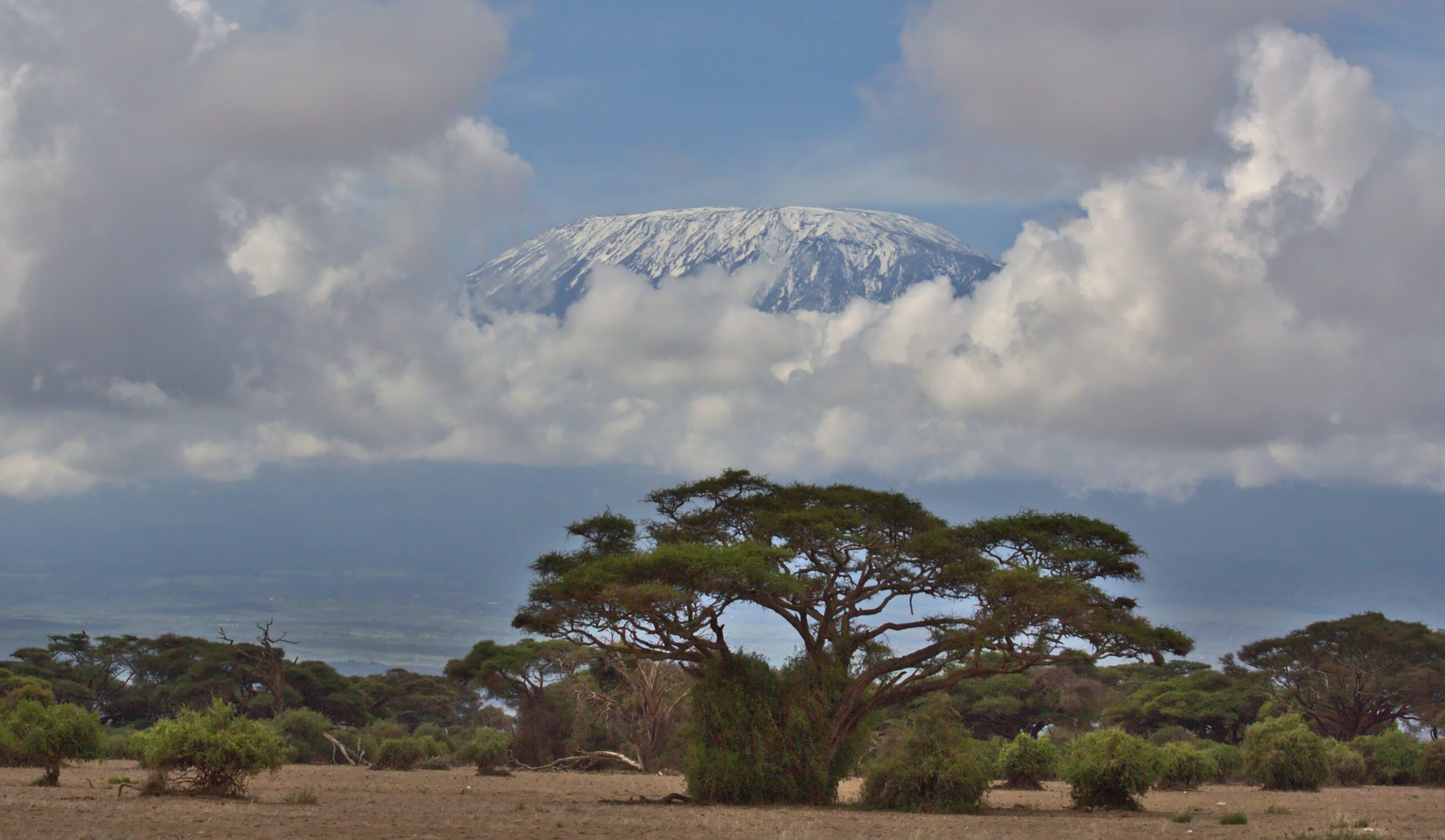
The park is popular mainly because of its stunning, snow-covered volcano. Most people come to see Mount Kilimanjaro rather than the animals. As Africa’s highest peak and the tallest free-standing mountain in the world, it has a legendary reputation. Often called “Africa’s Rooftop,” it attracts trekkers and climbers from all over the world. For many visitors, reaching Uhuru Peak at sunrise is the main goal, even if it means missing out on other things the park offers.
Kilimanjaro National Park map
The park is 128 kilometers (80 miles) from Arusha and about an hour’s drive from Kilimanjaro International Airport. There are several entry gates: Machame, Londorosi, Lemosho, Umbwe, and Marangu, which is also the park headquarters. Each gate leads to different climbing routes, and these routes vary in how difficult they are, what you see along the way, and how many people use them.
Kilimanjaro National Park Animals
While most people know the park for its climbing, its lower rainforest slopes are full of wildlife, including elephants, Cape buffalo, leopards, elands, giraffes, and various kinds of monkeys. Above the treeline, you can find Kilimanjaro tree hyrax, grey duiker, and several types of rodents. The montane forests are home to blue monkeys, black-and-white colobus monkeys, and sometimes bushbuck. Bird lovers can spot over 150 species, including the endangered Abbott’s starling, white-necked ravens, African fish eagles, and migratory birds from Europe and Asia.
The People of Kilimanjaro National Park
At the foot of the mountain, you can meet the Maasai and Chagga people. The Chagga are the original residents of the area, known for their skilled farming and strong cultural ties to Kilimanjaro. The Maasai are semi-nomadic herders, famous for their traditions and colorful clothing. Visiting a Maasai village gives you a chance to learn about their customs, food, and everyday life.
Kilimanjaro National Park location
Kilimanjaro National Park lies in the Kilimanjaro Region, near Moshi Town, approximately 300 kilometers (190 miles) south of the equator. It encompasses 1,688 square kilometers (652 square miles) and includes the entire mountain above the treeline, along with the surrounding montane forest belt above 1,820 meters (5,970 feet). The park’s coordinates are 2°50′–3°10′S latitude and 37°10′–37°40′E longitude. KINAPA, the Kilimanjaro National Park Authority, regulates entry fees and conservation policies.
Tour Activities to do at Kilimanjaro National Park
There are many things to do in the park, such as exploring the Kibo peaks, Shira Plateau, Chala Crater Lake, and Olpopongi Maasai Village. Climbing is the main activity, but you can also go on nature walks, watch birds, camp, try mountain biking, or enjoy cultural experiences. If you want something easier, you can take a day hike to Mandara Hut or the Shira Plateau for great views without climbing all the way to the top. You can also see wildlife, but it’s not the main reason people visit.
Bird spotting activities
With over 150 bird species, Kilimanjaro National Park is a great place for bird watchers. Most birds live in the forests, and you can find both local and migratory species, including some from Asia. Some of the birds you might see are the black-shouldered kite, long-tailed trogon, Gabar goshawk, blue-naped mousebird, grey hornbill, African fish eagle, white-cheeked barbet, African pygmy kingfisher, red-capped robin chat, and white-necked raven.
Mountain Trekking
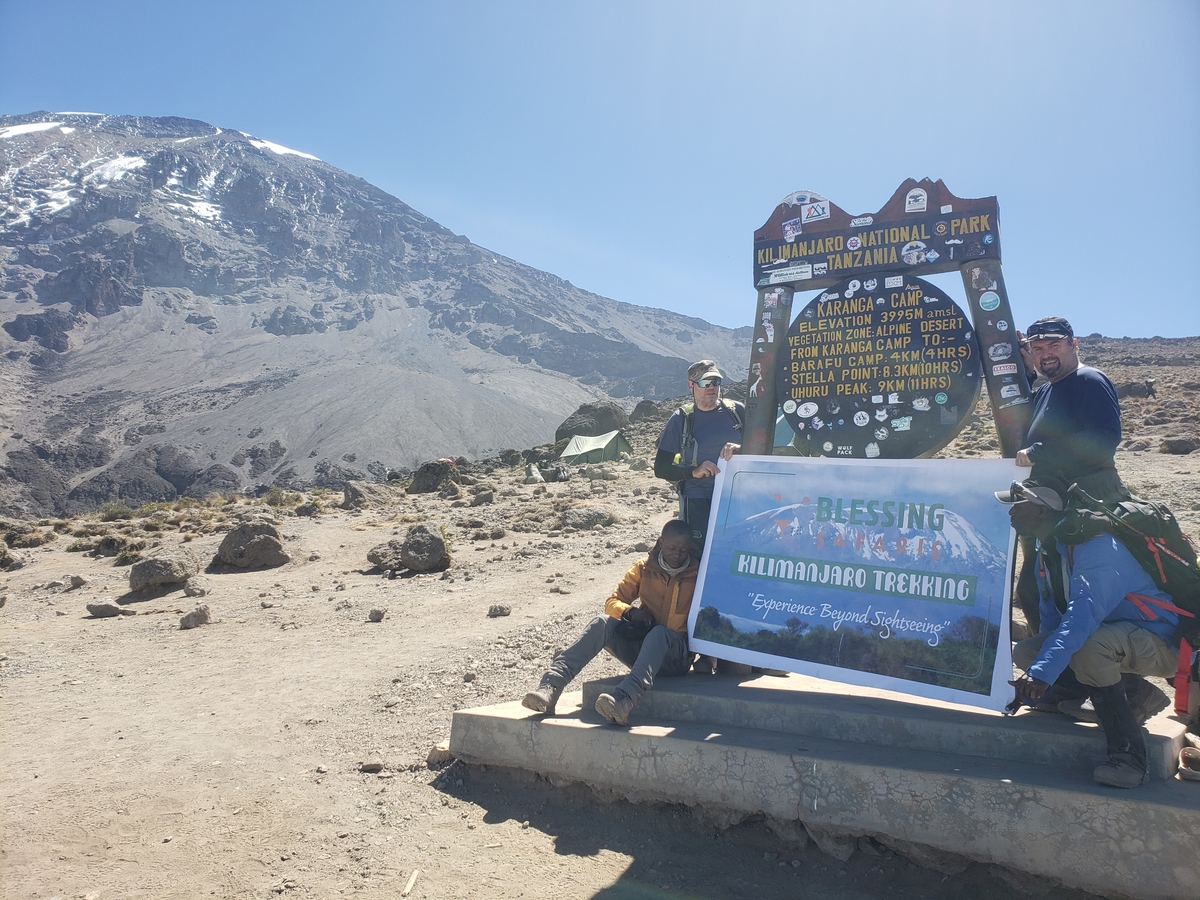
The main attraction is trekking to the top of Africa’s highest free-standing mountain. Climbers pass through five different types of vegetation, from rainforest to arctic desert, before reaching Uhuru Peak at 5,895 meters. There are seven main routes that take between five and nine days, each offering different levels of difficulty and scenery. Most trails are not very steep, but getting used to the altitude is the biggest challenge. Routes like Lemosho and Northern Circuit help with acclimatization and have higher success rates, while shorter routes like Umbwe are tougher.
Wildlife safaris & game watching.
Game drives are not the main activity in Kilimanjaro National Park, but you can still see wildlife on the lower slopes. Visitors might spot elephants, buffalo, leopards, hyenas, baboons, and antelopes. If you want to see all of the Big Five or watch the Great Migration, it’s best to visit other Tanzanian parks like Serengeti, Ngorongoro, or Tarangire. Many people choose to combine a Kilimanjaro climb with a safari for a complete adventure.
Mountain Biking
Mountain biking is a unique way to explore the park. Only the Kilema Trail is open to cyclists, and it takes you through Chagga farmlands and beautiful scenery. This activity is best suited to experienced cyclists with the right gear, and additional fees apply. It’s a fun and active way to see the mountain.
Kilimanjaro Walking Safaris
Guided walking safaris let you see the park’s wildlife at a slower, more personal pace. These trails are for wildlife viewing, not for reaching the summit. You might see elephants, buffalo, and other animals, but you should be careful in thick vegetation. Walking safaris are perfect for nature lovers who want to explore the mountain’s plants and animals without doing a full climb.
Lake Chala Crater Lake
Lake Chala sits on the southeastern slopes of Kilimanjaro, close to the Kenyan border. This beautiful crater lake was formed by volcanic activity and has clear water that changes color with the seasons, from turquoise to deep blue and emerald. You can hike around the lake, climb down the crater walls, and swim, but there are no lifeguards. The lake is also home to the critically endangered Chala tilapia, which lives only here.
Olpopongi Masaai Village Cultural Village
At Olpopongi, you can experience real Maasai culture. You can visit traditional kraals, learn about Maasai family life and customs, try local food, and talk with community members about their history and daily life. This hands-on visit helps you understand the region’s culture and long-standing traditions.
Other activities in Kilimanjaro National Park
Camping lets you experience nature up close, spending unforgettable nights under the stars on Africa’s tallest mountain. There are picnic spots like Jiwe la Mbula, Daraja Refu, Wona, and Final Water that are perfect for outdoor meals. You can also film, take photos, visit waterfalls, and meet local communities, so you can make your trip fit your interests.
Day trips to Shira Plateau and Mandara Hut
The Shira Plateau is a huge caldera that formed more than 500,000 years ago and is a favorite day trip on the Lemosho Route. You can explore the remains of the old volcano and take in wide views of Kibo. Another option is a day hike to Mandara Huts and Maundi Crater on the Marangu Route, which gives you a few hours of rainforest trekking—great if you don’t have much time or want to get ready for a longer climb.
Kilimanjaro National Park’s Mount Kilimanjaro
Mount Kilimanjaro is the main feature of the park and is Africa’s highest mountain, standing at 5,895 meters. It has three volcanic cones: Kibo (the tallest, with Uhuru Peak), Mawenzi (5,149 meters), and Shira (3,962 meters). Kibo is dormant, while Mawenzi and Shira are extinct. The mountain’s glaciers, like the Furtwangler Glacier and Northern Ice Field, have shrunk by about 80% since 1912. Scientists think they could disappear completely by 2030 or 2060, so now is the time to see them.
History
The mountain has a long and interesting history. Ptolemy mentioned it in the first century AD as a “snow island in the sky.” Chinese scholars wrote about it almost 700 years ago, but it wasn’t until 1849 that missionary Johann Rebmann introduced it to Europeans, though many doubted his story at first.
The German Protectorate of Kilimanjaro was set up in 1885, and the first recorded climb was on October 6, 1889, by Hans Meyer, Ludwig Purtscheller, and local guide Mzee Johannes Kinyala Lauwo. Back then, the peak was called Kaiser Wilhelm Peak.
The German colonial government designated the mountain and nearby forests as a wildlife reserve, and this status remained unchanged under British rule until Tanzania became independent in 1961. Kilimanjaro became a forest reserve in 1921 and was named a national park in 1973 to protect its special environment. UNESCO made it a World Heritage Site in 1987, and in 2005 the park was expanded to cover all the tropical forests. Today, the Tanzanian government continues to work to protect the mountain’s heritage and reputation.
Weather and Climate
The climate on the mountain varies widely with altitude. The lower slopes are warm and humid, with average temperatures between 21 and 27°C (70–80°F). Higher up, it gets cooler and drier. At the summit, the average temperature is -7°C (19°F), and it can drop to -29°C (-20°F) at night. The most rain falls from November to December and March to May, up to 13.8 inches, while June to October are the driest months, with as little as 0.6 inches. Humidity ranges from 57% to 77%, and the rainforests often have thick fog.
We have a best article about weather on Mount Kilimanjaro.
Where to stay at Kilimanjaro National Park
If you take the Marangu Route, you’ll stay in huts with bunk beds in dormitory-style buildings: Mandara Huts have 60 beds, Horombo Huts have 120, and Kibo Huts have 60. On other routes, climbers sleep in tents provided by their tour operator. Before and after your climb, you can stay in hotels and lodges in Moshi, near Kilimanjaro International Airport, or in Arusha, with choices from budget guesthouses to luxury safari lodges.
Read more about the best places to stay for a Mount Kilimanjaro climb.
Kilimanjaro National Park Climate Zones
The mountain has five different ecological zones. The Cultivation Zone (800–1,800 meters) is used for farming. The Rainforest Zone (1,800–2,800 meters) is lush and humid. The Heath and Moorland Zone (2,800–4,000 meters) has cold nights and strong sunlight. The Alpine Desert Zone (4,000–5,000 meters) is dry and rocky. The Arctic Summit Zone (above 5,000 meters) is cold and windy, with little vegetation. Each zone has its own plants and animals, like giant groundsels, lobelias, blue monkeys, duikers, and the endangered Abbott’s starling.
Getting there
You can get to Kilimanjaro by air or road. Kilimanjaro International Airport (JRO) has direct flights to and from Europe, the Middle East, and Africa, operated by airlines including Turkish Airlines, Kenya Airways, Ethiopian Airlines, Qatar Airways, Condor, and RwandAir. There are also domestic flights from Dar es Salaam and Zanzibar. By road, the park is a two- to three-hour drive from Arusha and just a few minutes from Moshi.
Best time to visit
The park is open all year, but the best time to climb is during the dry seasons. The top months are late June to October and December to March, when the trails are dry, the skies are clear, and the weather is good. The rainy seasons, from March to May and in November, make the trails muddy and snowy, which makes climbing harder and riskier.
Learn more about the Best Time to Climb Kilimanjaro.
Facts about Mount Kilimanjaro
- Size: 1,668 sq km (641 sq miles)
- Location: Northern Tanzania, near Moshi
- Distance: 128 km (80 miles) from Arusha; ~1 hour from Kilimanjaro International Airport
- Activities: Climbing, day treks, nature walks, trout fishing, Lake Chala visits
- Accommodation: Huts, campsites, hotels, and lodges near the park
Frequently Asked Questions
Is Kilimanjaro National Park only for climbers?
No. Climbing is the main attraction, but the park also has day hikes, wildlife viewing, bird watching, mountain biking, cultural visits, and trips to crater lakes. Nature lovers and casual visitors can enjoy the lower slopes without having to climb to the summit.
How much does it cost to enter Kilimanjaro National Park?
Entry fees depend on which route you take and how long you stay. There are also extra charges for conservation, camping, and rescue services. For the latest prices, check with TANAPA or your tour operator, since fees can change.
Can I see the Big Five in Kilimanjaro National Park?
You can see elephants, buffalo, and leopards in the park, but it’s rare to spot lions or rhinos. If you want to see all of the Big Five, think about adding a safari in the Serengeti or Ngorongoro Crater to your trip.
What is the success rate for climbing Kilimanjaro?
Success rates depend on the route and how many days you spend climbing. Longer routes like the Northern Circuit (8–9 days) have high success rates of 95–98%, while shorter routes like the 5-day Marangu Route have about a 50% success rate.
Is climbing Kilimanjaro dangerous?
Climbing Kilimanjaro is usually safe if you take the right precautions. The main risk is altitude sickness, but you can manage it by acclimatizing, staying hydrated, and following your guide’s advice. Falls and accidents are rare on the main trails.
Do I need a guide to climb Kilimanjaro?
Yes. Tanzanian law says all climbers must have a registered guide. Guides help with navigation, altitude management, and emergencies, making your climb much safer and more successful.
What should I pack for a Kilimanjaro climb?
You’ll need warm clothes, waterproof gear, strong hiking boots, a sleeping bag rated to -10°C or colder, a headlamp, sunscreen, water bottles, and altitude medicine. Your tour operator will give you a full packing list.
Are there toilets on the mountain?
All campsites have basic pit latrines. The huts on the Marangu Route have flush toilets, while other routes use dry toilets. Many tour operators also offer portable toilets for extra comfort and hygiene.
How fit do I need to be to climb Kilimanjaro?
You need good cardiovascular fitness, strong legs, and stamina. The climb isn’t technical, but summit night is tough. It’s a good idea to prepare by hiking, climbing stairs, and doing regular aerobic exercise.
What happens if I get altitude sickness?
Altitude sickness can cause headaches, nausea, and tiredness. If your symptoms get worse, the only real solution is to go down. Your guide will watch your condition and decide what’s safest, including turning back if needed.
Plan Your Kilimanjaro National Park Adventure
Kilimanjaro National Park is full of adventure, natural beauty, and cultural experiences. Whether you want to reach the summit or just explore the lower slopes, our team can help you plan a trip that fits your pace, comfort, and goals.
Contact us to discuss your Kilimanjaro National Park adventure, customize your climb, or include a Tanzanian safari in your itinerary. The rooftop of Africa awaits—let us help you experience it. BOOK YOUR TRIP
Book Your Kilimanjaro Trip
From $2,080
8 Days, 7 Nights
6 Days Rongai Route
Mt. Kilimanjaro
From $1,845
8 Days, 7 Nights
6 Days Marangu Route
Mt. Kilimanjaro
From $2,080
8 Days , 7 Nights
6 Days Machame Route
Mt. Kilimanjaro
From $1,650
7 Days , 6 Nights
5 Days Marangu Route
Mt. Kilimanjaro