Table of Contents
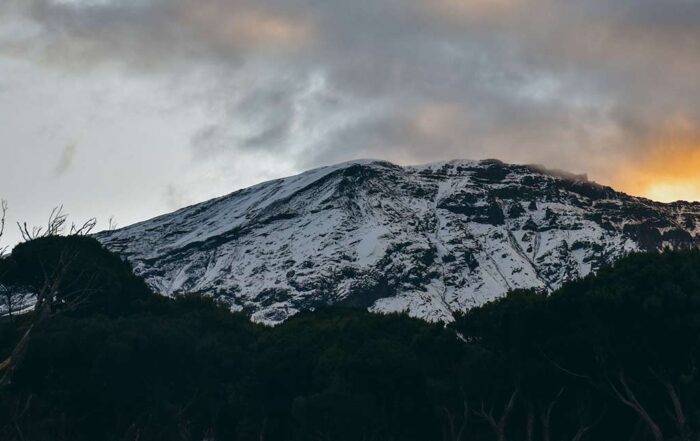
Mount Kilimanjaro is Africa’s highest peak, at 5,895 meters.
It’s part of the world’s famous “Seven Summits” and comprises three volcanoes: one dormant and two long-extinct.
On Kilimanjaro, you’ll find three peaks: Kibo (Uhuru Peak, 5,895 meters), Mawenzi, and Shira.
When it comes to safety, Kilimanjaro is safer than some other major mountains, such as Aconcagua and Everest.
But remember, any mountain climb carries risks, including injury, illness, and even death.
On Kilimanjaro, the death rate is low, but deaths can still occur.
Most of these incidents are due to altitude sickness, which is preventable.
Climbing Kilimanjaro doesn’t require special skills; anyone, regardless of age or fitness level, can attempt it.
Kilimanjaro is near the Equator, so the weather at lower elevations is mild.
You won’t need heavy climbing gear unless it’s raining. However, don’t underestimate the risks.
Understanding these risks will help you plan a safe Kilimanjaro climb.
So, let’s explore these risks on Mount Kilimanjaro.
What are the main risks on Mount Kilimanjaro?
- Rock falls
- Accidents – Ankles and Sore Joints
- Weather on Kilimanjaro
- Altitude sickness (AMS)
- Coincidental Illnesses
- Heart attacks
- Colds and respiratory infections
- Tropical diseases
- Hypothermia and Pneumonia
Let’s take a look at each of these factors and the measures you should take to avoid this danger while climbing Kilimanjaro in Tanzania.
1. Rock falls and Avalanches
Rockfalls or avalanches are important hazards to be mindful of when embarking on a Kilimanjaro climb.
It’s important to note that these hazards are not present on all climbing routes.
Instead, they are more prominent on the notorious Western Breach route.
Rockfall incidents occurred on the Western Breach route between 2006 and 2015, including one that took the life of Live Your Legend’s founder, Mr. Scott Dinsmore.
Despite these risks, some tour operators continue to promote the Western Breach route to their clients.
How to avoid rockfall danger on Mount Kilimanjaro?
The answer is simple: avoid the Western Breach route. Life matters; after all, you should decide for yourself whether it is worth it.
Other climbing routes can offer you comfortable yet adventurous climbs, so why risk your life on Mount Kilimanjaro for a trip that is avoidable?
2. Accidents – Ankles and Sore Joints
No one can predict accidents during the climb to Kilimanjaro. You may fall and sprain or twist your ankle.
This can happen during either the ascent or the descent.
You can reduce this risk by wearing appropriate gear, including hiking boots with rubber soles, good grip, and an ankle-high shaft.
Also, use your climbing sticks for balance, and walk slowly and carefully.
Getting into an accident while you’re climbing can become a serious problem because it is not easy to reach the hospital.
You should take precautions on descent days, as knee pain can be common.
Remember to use your trekking poles to reduce joint impact and lower the risk of falls and twisted ankles.
The important thing to remember is to have trekker’s travel insurance that covers up to 6000m above sea level.
This is especially important if the accidents or injuries you sustain require a helicopter rescue. Read more about Rescue on Mount Kilimanjaro.
3. Weather on Kilimanjaro
Mount Kilimanjaro’s weather is highly unpredictable.
Weather conditions during climbs can change rapidly, from strong winds to rainfall.
These changes can be dangerous for climbers on short notice. The temperature at Kilimanjaro can drop below freezing (-6 °C).
This drop is beyond our human capability in cold weather.
How can weather-related risk be reduced in Kilimanjaro?
Although Kilimanjaro isn’t as high as Denali or Everest, it can still be dangerous.
You should always wear proper gear. Keep your body warm at all times to prevent frostbite and pneumonia.
On the other hand, Mount Kilimanjaro can be very hot during the day, so we remind you to apply sunscreen and wear sunglasses to protect your skin and eyes.
Stay in touch with reliable tour operators who can provide guidance on packing for your climb.
Ask as many questions as possible before you visit Tanzania to climb Mount Kilimanjaro.
You can view our Mount Kilimanjaro climbing gear.
4. Altitude sickness (AMS)
Climbing to high altitudes can take a toll on many people, and one significant danger on Kilimanjaro is altitude sickness, also known as acute mountain sickness (AMS).
If not managed properly, altitude sickness can lead to several complications and, in severe cases, be fatal.
It is the leading cause of death on Mount Kilimanjaro.
Surprisingly, physical fitness doesn’t protect you from AMS; it can affect anyone, regardless of fitness.
The key factor is the rapid ascent, especially when spending more than 12 hours above 2500 meters.
The altitude difference over 24 hours is a key factor.
Above 3000 meters, the risk increases when the altitude difference between camps exceeds 300 meters.
Symptoms of altitude sickness include nausea, vomiting, severe headaches, dizziness, and a sense of euphoria.
It’s imperative not to underestimate AMS on your Kilimanjaro climb.
You should be prepared and communicate your condition to your mountain guide without hesitation.
Early detection and intervention are essential for effectively managing altitude sickness.
How can altitude sickness be prevented on Mount Kilimanjaro?
Following your guide will save you a lot of time.
We have experience as hikers with a hero mentality. Maybe you could save that for Hollywood movies, but not on a Kilimanjaro climbing trip.
You will always hear your guide say to climb slowly (pole-pole in Swahili).
Climbing slowly helps your body acclimate and conserve energy for summit day.
Remember, this is not a competition; it’s hiking, and the important thing is reaching Africa’s summit.
Acclimatize before the climb.
The best way to acclimate is to climb Mount Meru before Kilimanjaro. It is also an excellent option.
Meru climbing takes 3 to 4 days to reach the summit and return.
This is very important because it keeps your body fit and helps you acclimate to higher altitudes before climbing Kilimanjaro.
Easier said than done if you live at sea level, but spending time at high altitude before the actual Kilimanjaro climb is the very best way to avoid altitude sickness.
Book a long climbing trip. Many people choose short routes on Kilimanjaro, such as the 5-day Marangu or Machame routes.
The success rate for this short climbing trip is significantly lower than that of the 8-day Lemosho route.
Taking a longer route will help your body acclimate and reduce your risk of altitude sickness.
Don’t fall into the trap of cheap tour operators who convince you to take a short route to Kilimanjaro.
This is your trip, and you should be on top of any decision you make before visiting Mount Kilimanjaro.
Finally, be true to yourself. Listen to your body. The goal should not be only to reach the summit of Kilimanjaro but also to return safely.
Do not push yourself beyond your limits if you feel unsafe. Save time and save a life.
We have covered this topic so widely here: Altitude Sickness on Mount Kilimanjaro
5. Coincidental Illnesses
Illness can strike unexpectedly, posing a significant risk while climbing Kilimanjaro.
Climbers with pre-existing medical conditions, such as asthma, may find their conditions triggered by chance due to factors like high altitude, fatigue, and reduced oxygen levels.
The threat becomes more pronounced when an illness requires medical care.
Mount Kilimanjaro lacks medical facilities, and evacuations can be difficult.
It’s important to note that helicopters are not permitted to land on the summit, which makes the situation even more complex depending on where the illness occurs.
How to be safe in this situation?
Thorough preparation is essential before embarking on your climb. It’s crucial to undergo a thorough medical examination and obtain your doctor’s approval.
Additionally, remember to invest in travel insurance that provides coverage up to 6000 meters. This coverage ensures access to helicopter evacuation services if needed during your journey.
6. Heart Attacks (BP)
Heart attacks can be a risk during Kilimanjaro climbs. Whether you take short or long routes, you cannot avoid extreme physical activity.
There have been known deaths associated with heart attacks.
Some people have preexisting heart conditions, so you should make sure you have all your checkups in place and approved by your physician before you decide to embark on your journey to Mount Kilimanjaro.
“Traveling to high altitudes could be dangerous for people with heart conditions,” according to the American Heart Association News. Read more about Heart Attacks & High Altitude.
7. Colds and Respiratory Infections
Cold weather and low oxygen levels on Mount Kilimanjaro directly affect climbers’ immune systems. Not everyone will be able to overcome the cold and other serious respiratory ailments.
This can be dangerous during Kilimanjaro climbs if combined with altitude sickness.
We recommend climbing with appropriate gear and warm, quality clothing. We also recommend packing cold and respiratory medications for emergencies.
We recommend taking Vitamin C supplements to support your immune system. Consult your doctor for more information.
8. Tropical diseases- Malaria
Mount Kilimanjaro is in Tanzania, a region prone to malaria. Malaria is a highly perilous disease that can lead to death in a matter of hours.
While staying in hotels or lodges, it’s easy to forget to use mosquito nets, and during your ascent of Kilimanjaro, you might start experiencing symptoms of malaria.
This can be particularly risky for climbers, given the lack of hospitals on Mount Kilimanjaro.
We strongly recommend taking antimalarial medication before your journey to Mount Kilimanjaro in Tanzania.
It’s crucial to consult your doctor before your climb.
A tropical medicine specialist can recommend preventive measures against tropical diseases and other potential infections.
You can learn more about malaria on the WHO website.
9. Hypothermia
Temperatures on Kilimanjaro can plummet well below freezing, posing a deadly threat if you’re not adequately covered.
Prolonged exposure to low temperatures increases the risk of hypothermia, a serious and potentially fatal condition, while climbing Kilimanjaro.
Delaying immediate action in such a situation can lead to the cessation of bodily functions and fatalities on the mountain.
How to avoid hypothermia on Mount Kilimanjaro?
Having proper climbing gear is essential. You should be able to change your clothes if they get wet for any reason.
Packing recommended climbing gear for high-altitude, cold environments, such as Kilimanjaro, is the best way to prevent hypothermia.
Stay dry and warm at all times, especially at night when the body stops generating heat.
Does hypothermia affect tourists only?
The answer is no. The mountain crew, especially porters, is at a higher risk of developing hypothermia than tourists.
The main reason is poor practices by companies that do not care about the welfare of the porters.
It’s hard to speak up, but before booking with any company for your climb, you should ask, ‘How does the company treat its crew?”
If you find tour operators offering Kilimanjaro packages at low rates, you should also know that crew conditions, especially for porters, are compromised.
They carry heavy loads for clients and have no chance to bring extra clothes for themselves.
These practices expose many porters to altitude sickness, hypothermia, and death on Mount Kilimanjaro.
Book with reputable tour operators for Kilimanjaro climbs and save a life.
Learn more about how to choose a reliable tour operator in Tanzania
Conclusion
Effective preparation is the cornerstone of success, not only for climbing Kilimanjaro but for all life’s pursuits.
As we conclude our discussion of “How dangerous is Mount Kilimanjaro?”
We hope the insights and information we shared have clarified your understanding and eased any concerns about Kilimanjaro.
Remember to choose reputable tour operators, whether local or international companies.
They are instrumental in ensuring your summit’s success and in delivering value for your investment.
If you have any questions, please contact Blessing Safaris about your Kilimanjaro Climbing Package.
Are you ready for the Mount Kilimanjaro climbing challenge? If so, you can proceed to book any of these packages.
8 Days Lemosho route climbing package 2025 /26
7 Days Machame climbing package 2025/ 26
6 Days Marangu climbing package 2025/26
6 Days Machame route climbing package 2025/ 26
We are your perfect guide wherever your heart leads you—Tanzania, and beyond. You can proceed with booking your Kilimanjaro trip.